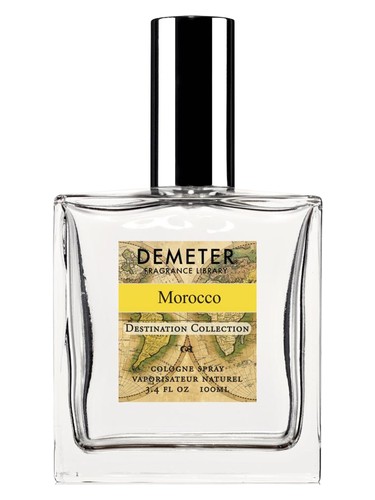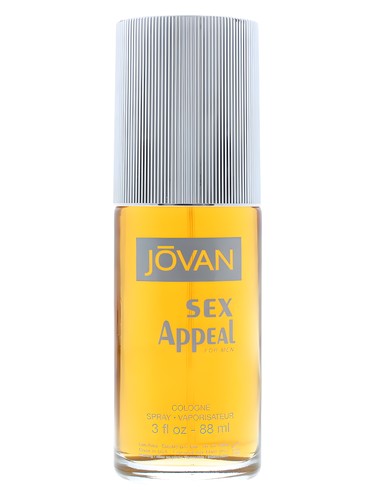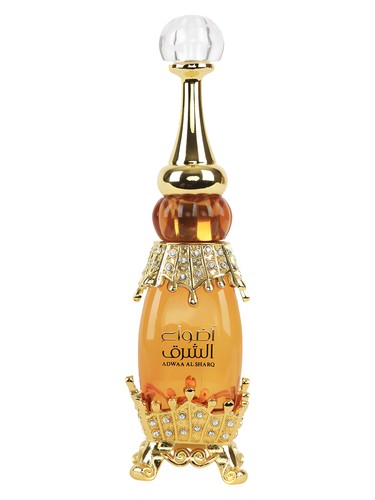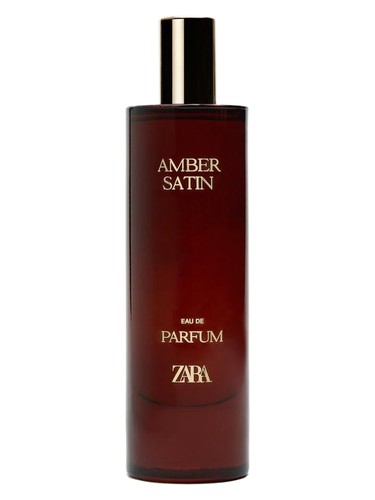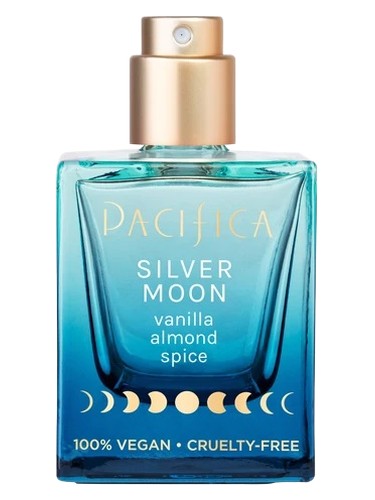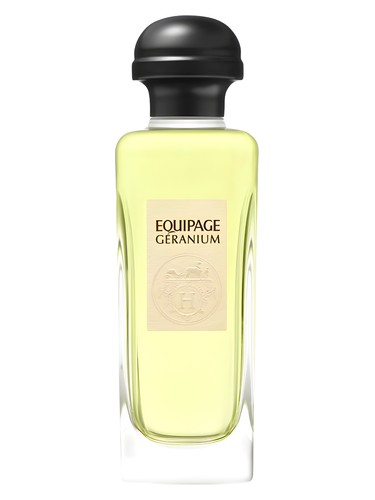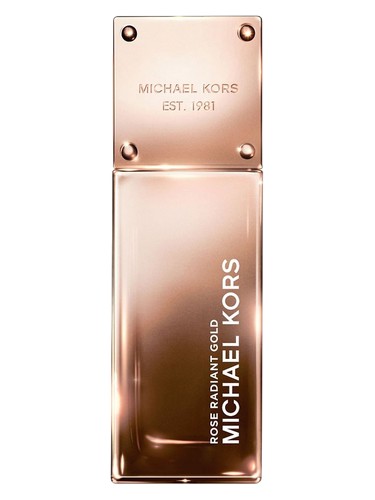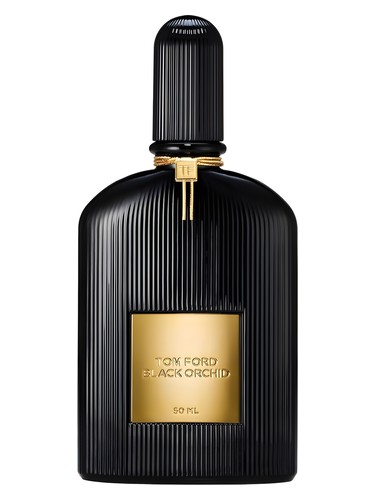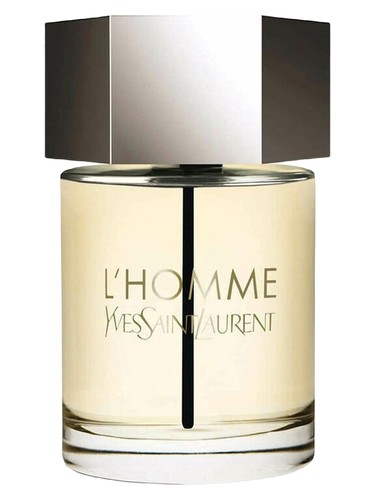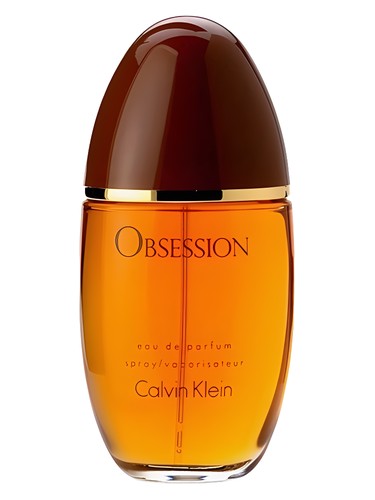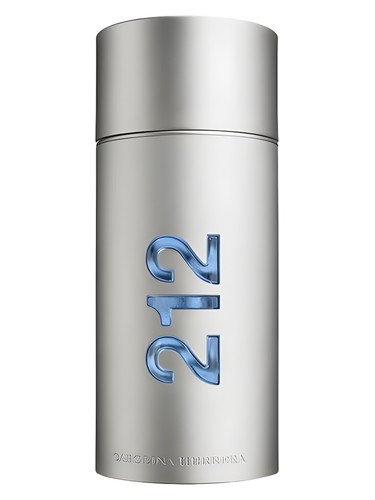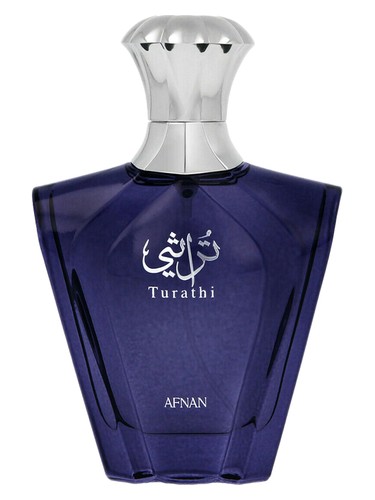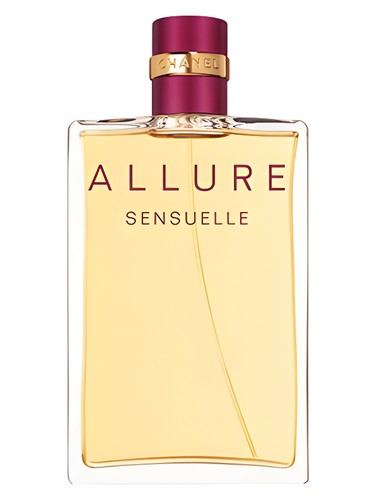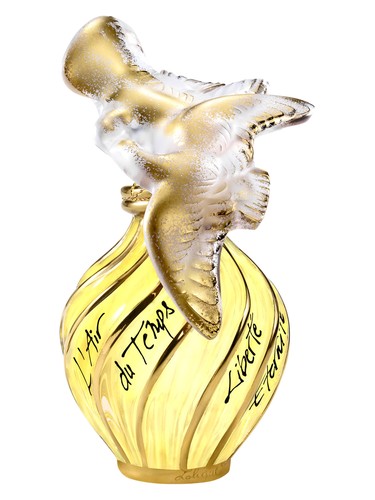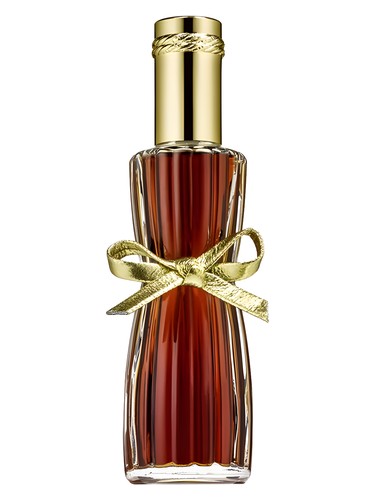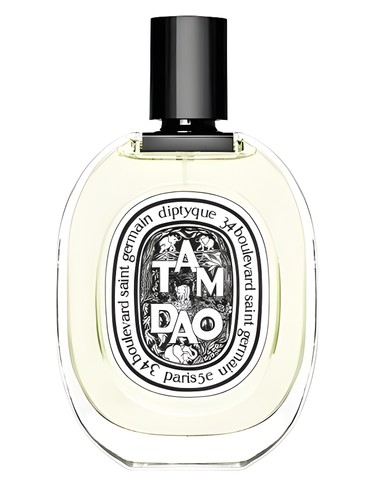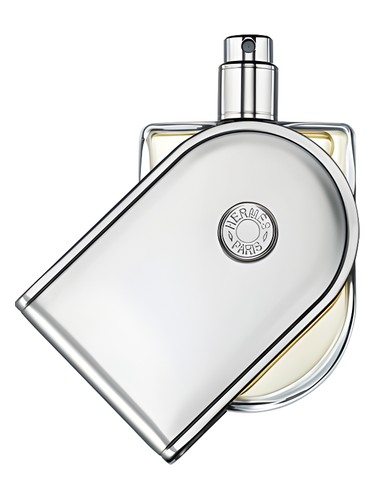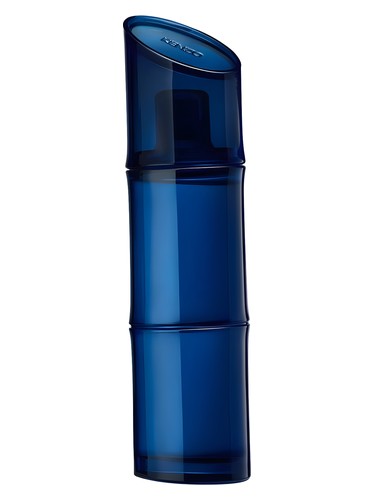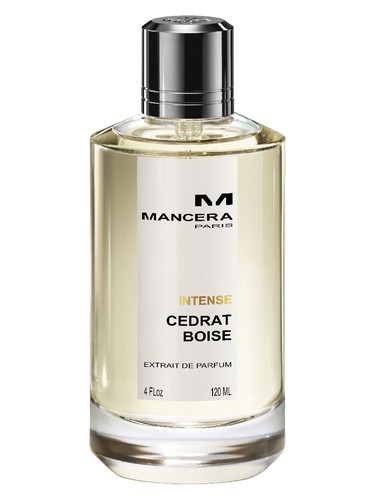


Photos: Galeri ega, CC BY-SA 4.0
About Spices
What it is
A family of notes rather than a single material. It covers essential oils, CO2 extracts and absolutes from the seeds, bark, buds, fruits and roots of spice plants, plus lab-built spice accords.
Where it comes from
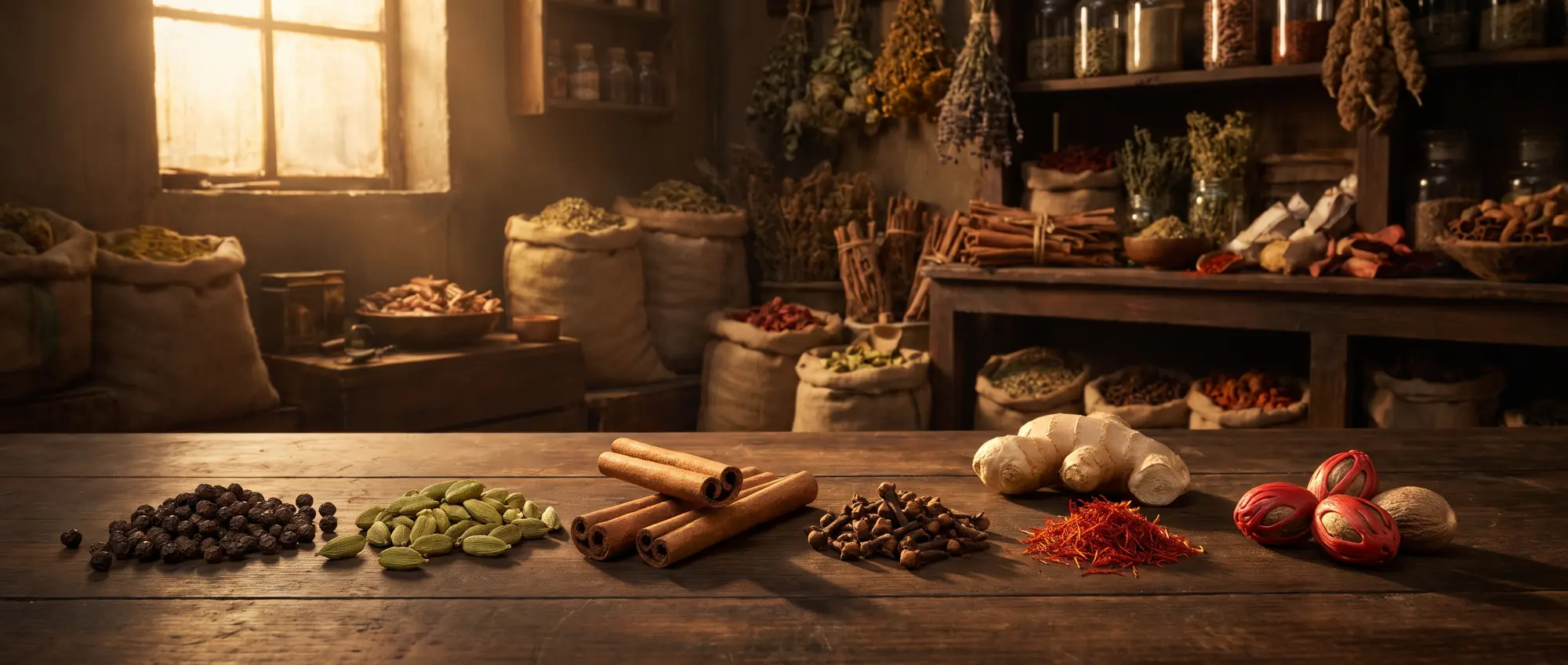
Spice materials come from many plants grown across Asia, Africa, the Middle East and the tropics. Examples are cardamom seed, cinnamon bark, black pepper berries, nutmeg and ginger root.
What it smells like
Warm, dry and piquant, with a bite at the start. Fresh spices such as cardamom, coriander and pink pepper smell green, lemony or airy. Hot spices such as cinnamon, nutmeg and clove smell sweet, dry and deep, with leathery or earthy touches.
In perfumery
Perfumers use spices at every level of the pyramid, but most often in the top and heart. Fresh spices lift the opening and pair well with bergamot. Hot spices add warmth and depth in the heart and base, where they sit with amber, sandalwood, vanilla, patchouli and musk. Clove with rose gives a carnation effect.
Scent profile
Our read of the note, not a measurement.
Where it sits
Mostly a top and heart note.