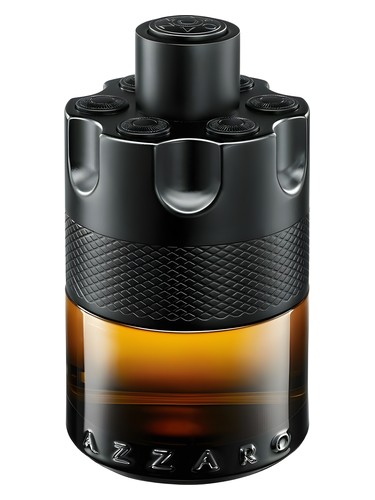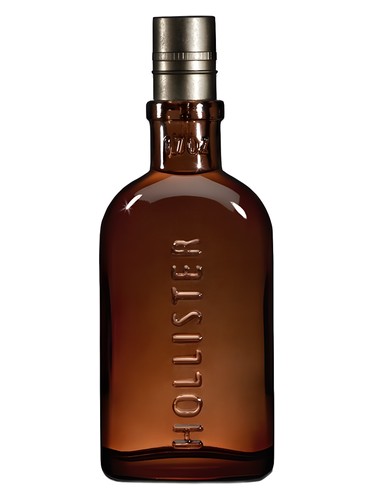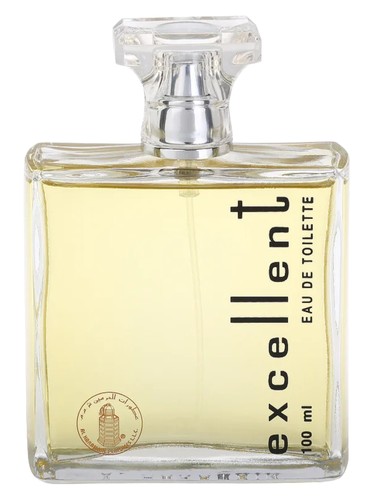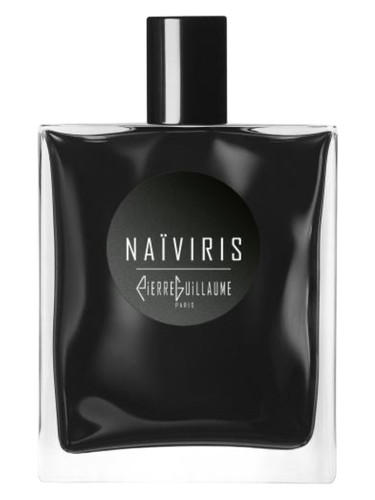

Woody Notes
Also known as Woody accord, Woodsy notes
About Woody Notes
What it is
A general name for the wood side of perfumery, not one material. It covers essential oils and extracts from woods, roots and mosses, plus synthetic molecules such as Iso E Super and Cashmeran that mimic them.
Where it comes from
It depends on the material. Sandalwood comes mainly from India and Australia, cedarwood from the US, Morocco and India, vetiver from Haiti, Indonesia and India, and patchouli mainly from Indonesia. The synthetic woods are made in the lab from petrochemicals.
What it smells like
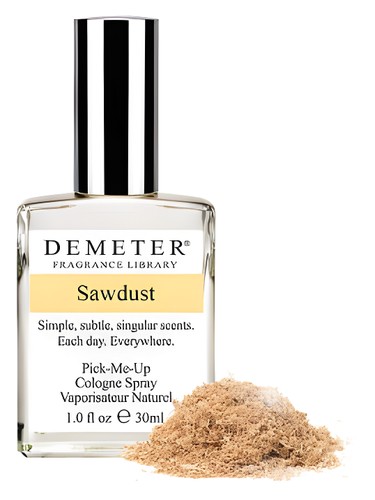
It depends on the wood. Cedar is dry, like pencil shavings. Sandalwood is soft and creamy, vetiver is smoky and earthy, and patchouli and oud are resinous and balsamic. Many woody accords start clean and dry, then turn warmer and creamier as they settle.
In perfumery
Perfumers list woody notes mostly in the base, where they give structure and help the fragrance last. Some woody facets, such as pine, show up earlier. They are often paired with musk, amber, vanilla and sandalwood, and with bergamot to brighten the dry base.
Scent profile
Our read of the note, not a measurement.
Where it sits
Mostly a base note.