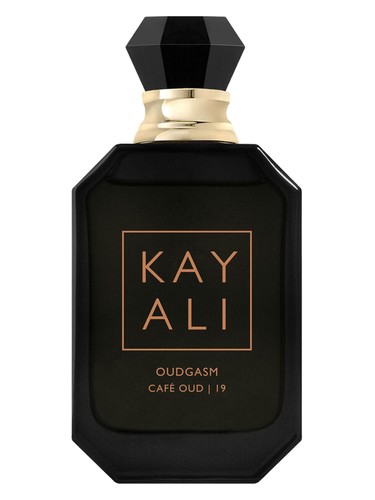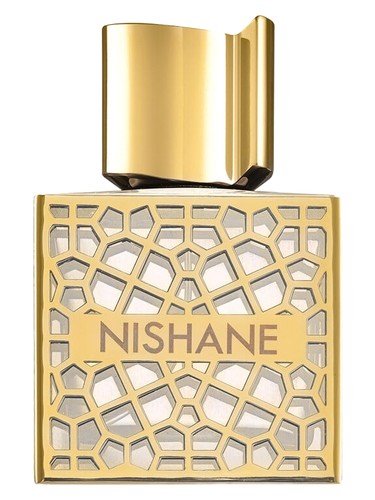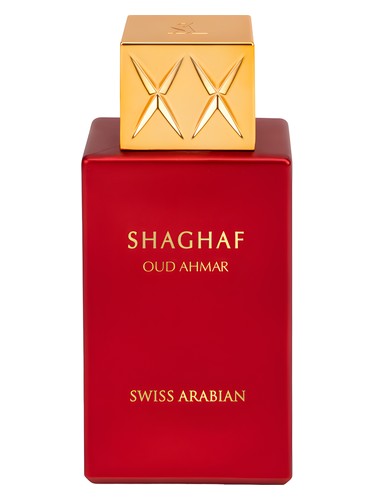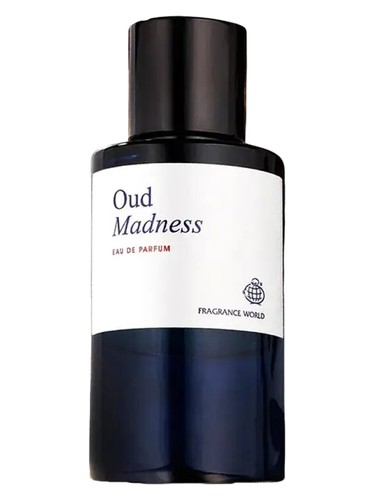

Oud
Also known as Agarwood, Aquilaria, Kyara, Walla Patta
Photos: Prof. sc. gen. Stephan Alexander Peter, CC0; Chong Fat, CC BY-SA 3.0
About Oud
What it is
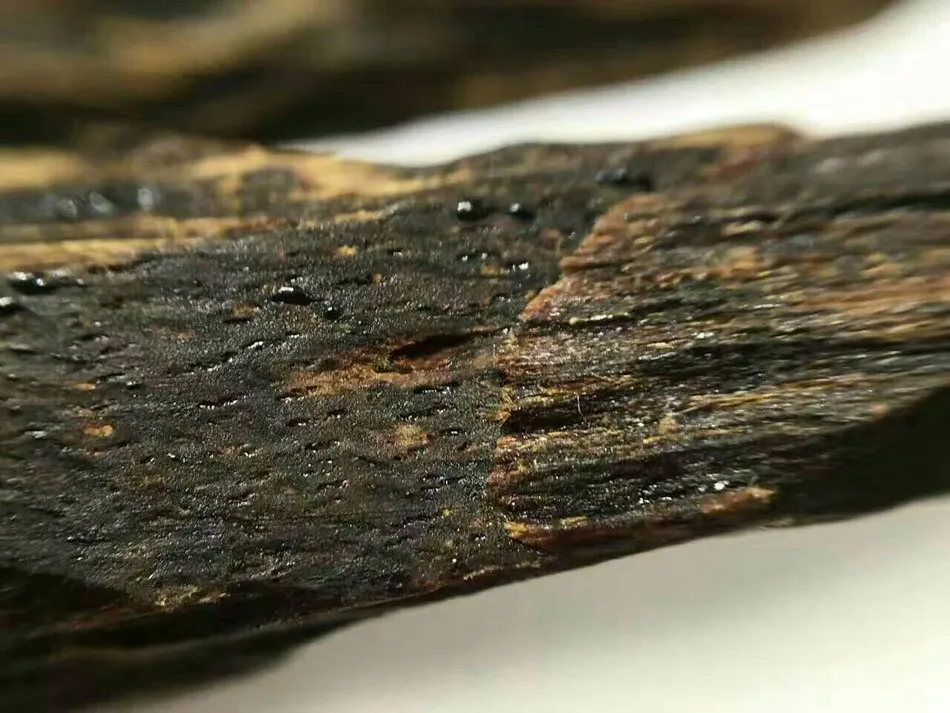
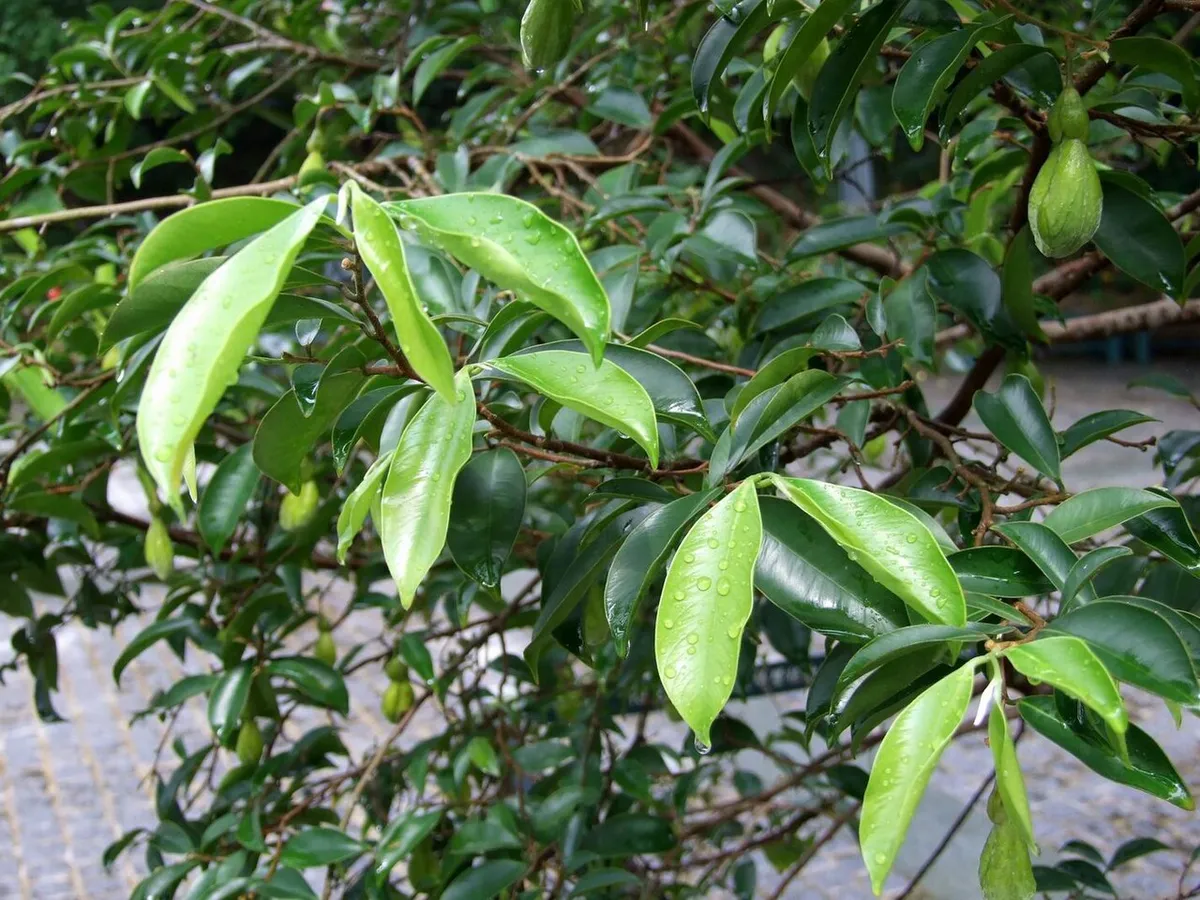
Oud is agarwood, the dark, resin-soaked heartwood of Aquilaria trees. The resin forms after a fungal infection, and the wood is distilled into an oil. Many perfumes use lab-built oud accords instead.
Where it comes from
The trees are native to Southeast Asia and India, with sources in Assam, Vietnam, Cambodia, Laos, Malaysia and Indonesia. Wild agarwood is now rare and protected under CITES, so much of the supply comes from plantations.
What it smells like
Smoky, woody and balsamic, with leathery and animalic edges. It can open green, medicinal or softly fruity, then turn resinous and settle into a warm, balsamic base. Depending on origin it can also read sweet, spicy or herbal.
In perfumery
Perfumers use it as a base note, where it anchors lighter materials and makes a composition last longer. It is often paired with rose, saffron, sandalwood, vanilla, patchouli, amber and musk, and with bergamot to brighten the opening.
Scent profile
Our read of the note, not a measurement.
Where it sits
Mostly a base note.