
Incense
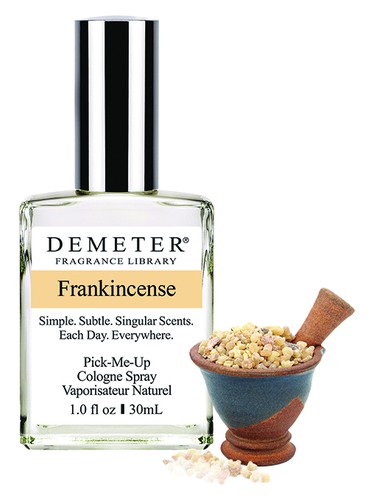
Also known as Olibanum, Frankincense, Boswellia resin
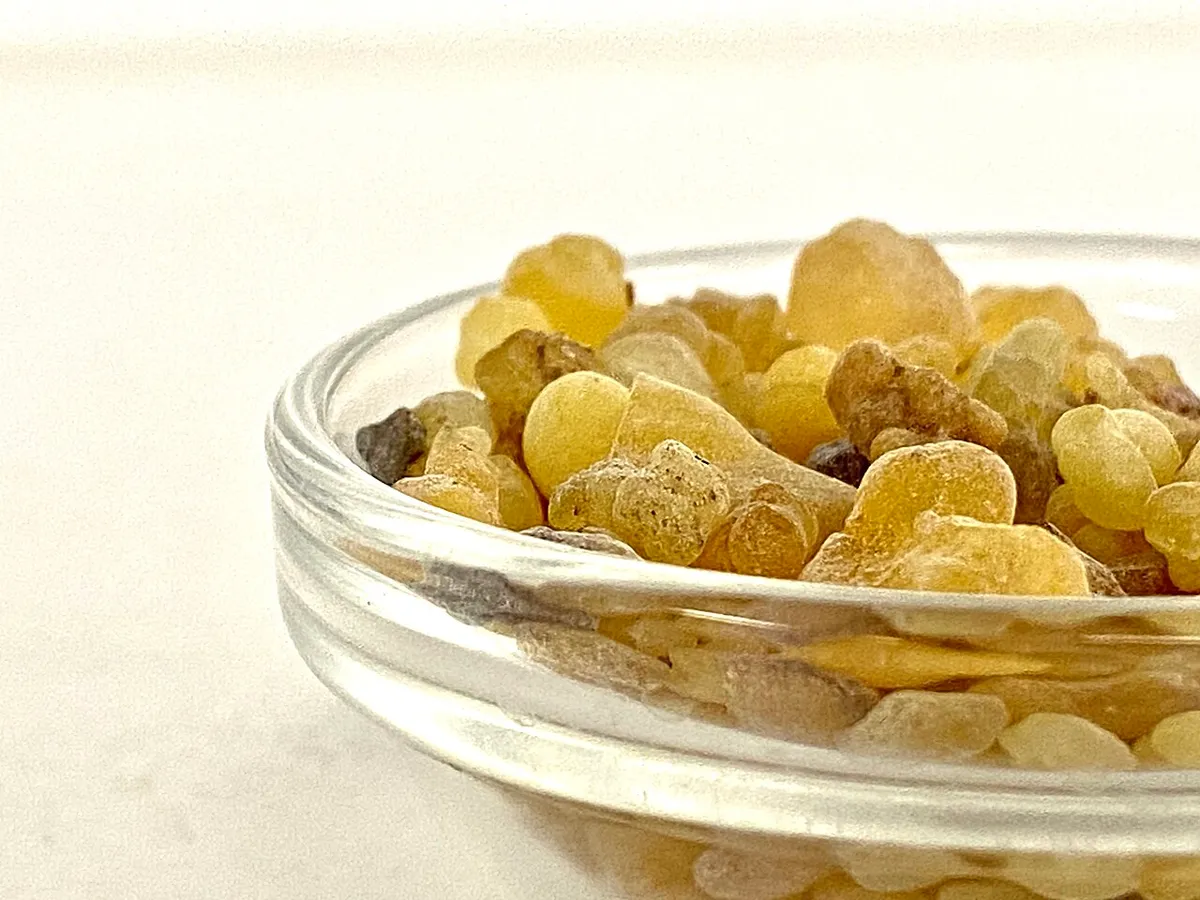
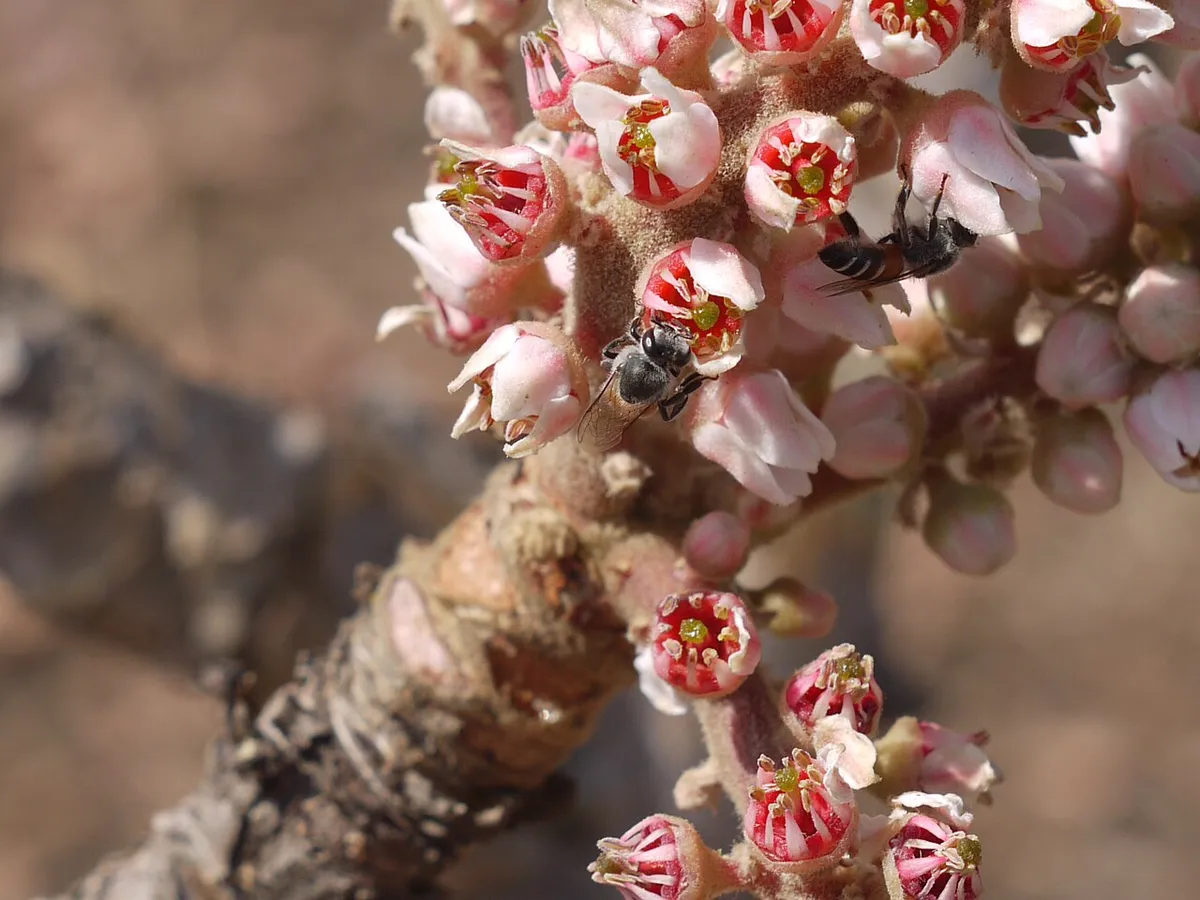
Photos: formulatehealth, CC BY 2.0; Dinesh Valke from Thane, India, CC BY-SA 2.0
About Incense
What it is
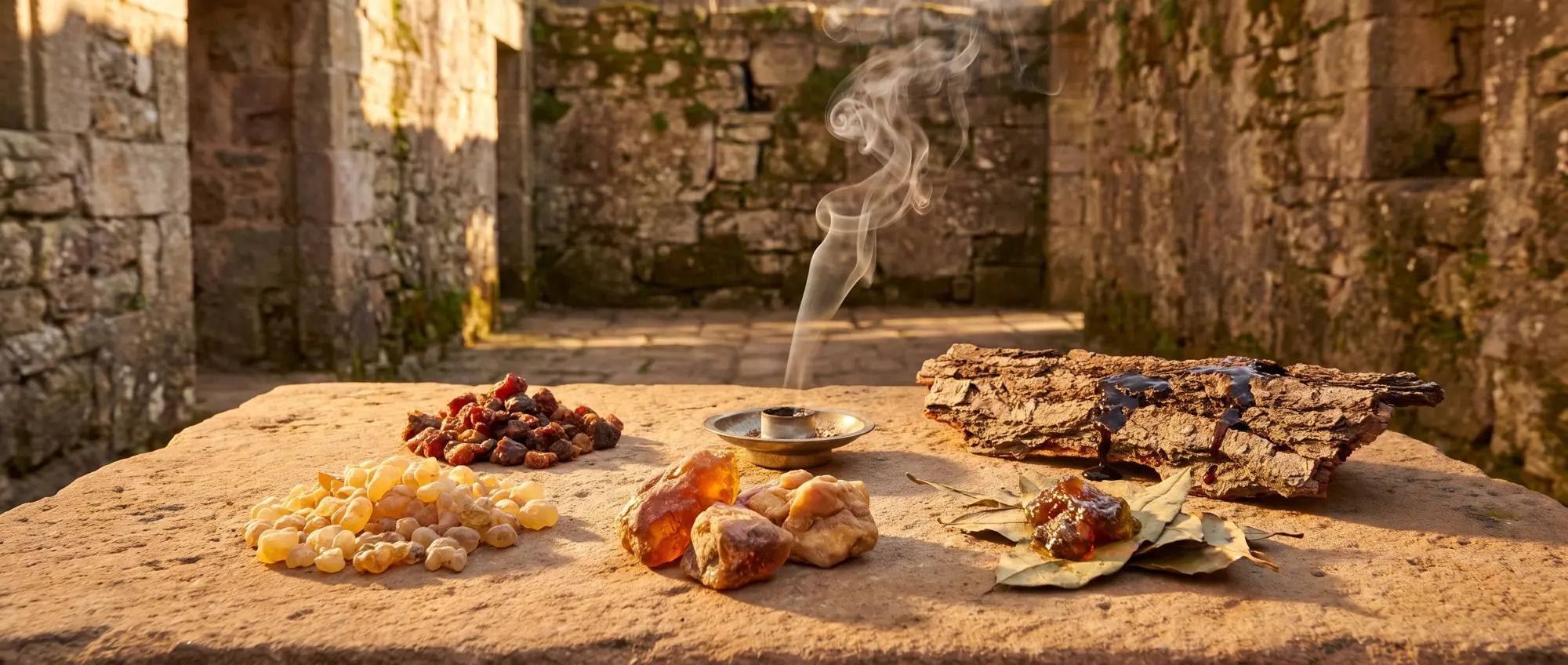
In perfumery, incense usually means olibanum, also called frankincense. It is the hardened gum-resin of Boswellia trees, used as the resin, a resinoid or absolute, or a steam-distilled essential oil. The word also names an accord that suggests resin burning on charcoal.
Where it comes from
Boswellia trees grow in Africa, Arabia and South Asia. Most of the world's supply comes from the Horn of Africa, with Oman and Yemen also sources. The resin is gathered by cutting the bark and collecting the hardened tears by hand.
What it smells like
The oil opens fresh and bright, with lemon peel, pine and a little pepper. It turns warm, resinous and faintly sweet and balsamic. The dry-down is woody with a light smokiness, and at higher strength it recalls burning incense.
In perfumery
Perfumers place it across the pyramid, most often in the base, where it adds a mineral, smoky, woody depth. It can lift a blend, blend other notes or act as the signature. It is often paired with patchouli, musk, amber, sandalwood, bergamot, vanilla, rose and cedar.
Scent profile
Our read of the note, not a measurement.
Where it sits
Mostly a heart and base note.
Kinds of Incense
The oil opens fresh, like ground black pepper with a hint of lemon peel. It then dries down to a dry, balsamic, woody and slightly smoky scent with a soft earthy edge.
Frankincense page