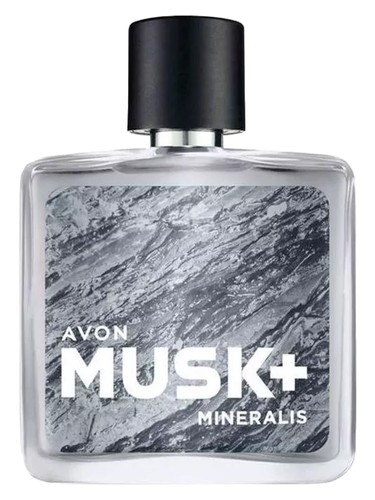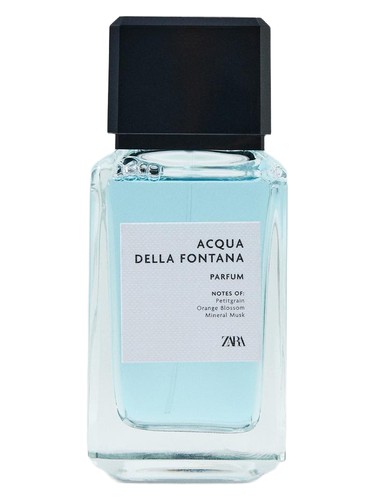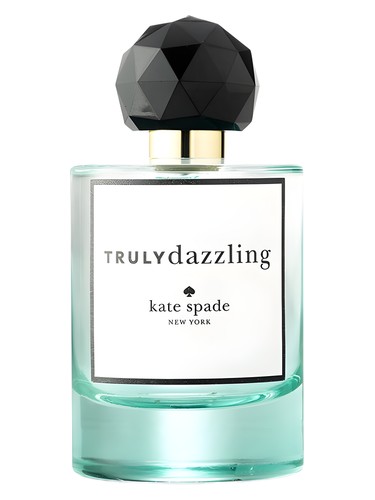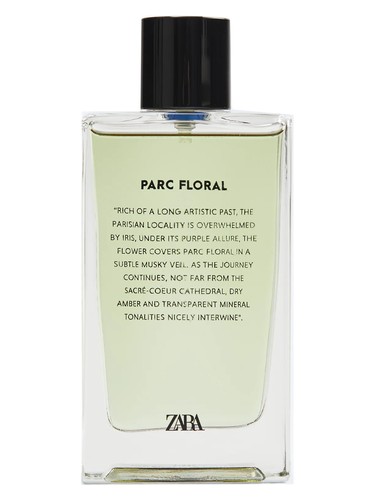

About Mineral Notes
What it is
Mineral notes are a perfumer's accord, not an extract. Nothing can be distilled from rock, so the effect is built mostly from synthetic molecules, sometimes helped by amber and green materials.
Where it comes from
Mineral notes are a recent arrival in perfumery. They became widely known in the 2000s, when a flint-like effect appeared in a successful men's fragrance by Jean-Claude Ellena.
What it smells like
Cold, wet and slightly salty, like rain on stone or a flint struck. It feels cooler and lasts longer than citrus freshness, and can turn almost icy as it dries. It is close to marine notes but rawer and more inorganic, with a faint metallic edge.
In perfumery
Perfumers place it in the top, heart or base, depending on the formula, though it often gives an early cool lift. It adds a stony, fresh edge to aromatic, citrus and woody compositions and often goes with bergamot, vetiver, cedar, patchouli and musk. It can also add depth to floral blends.
Scent profile
Our read of the note, not a measurement.
Where it sits
Found across all three layers.