

Lemongrass
Also known as Cymbopogon citratus, Cymbopogon flexuosus
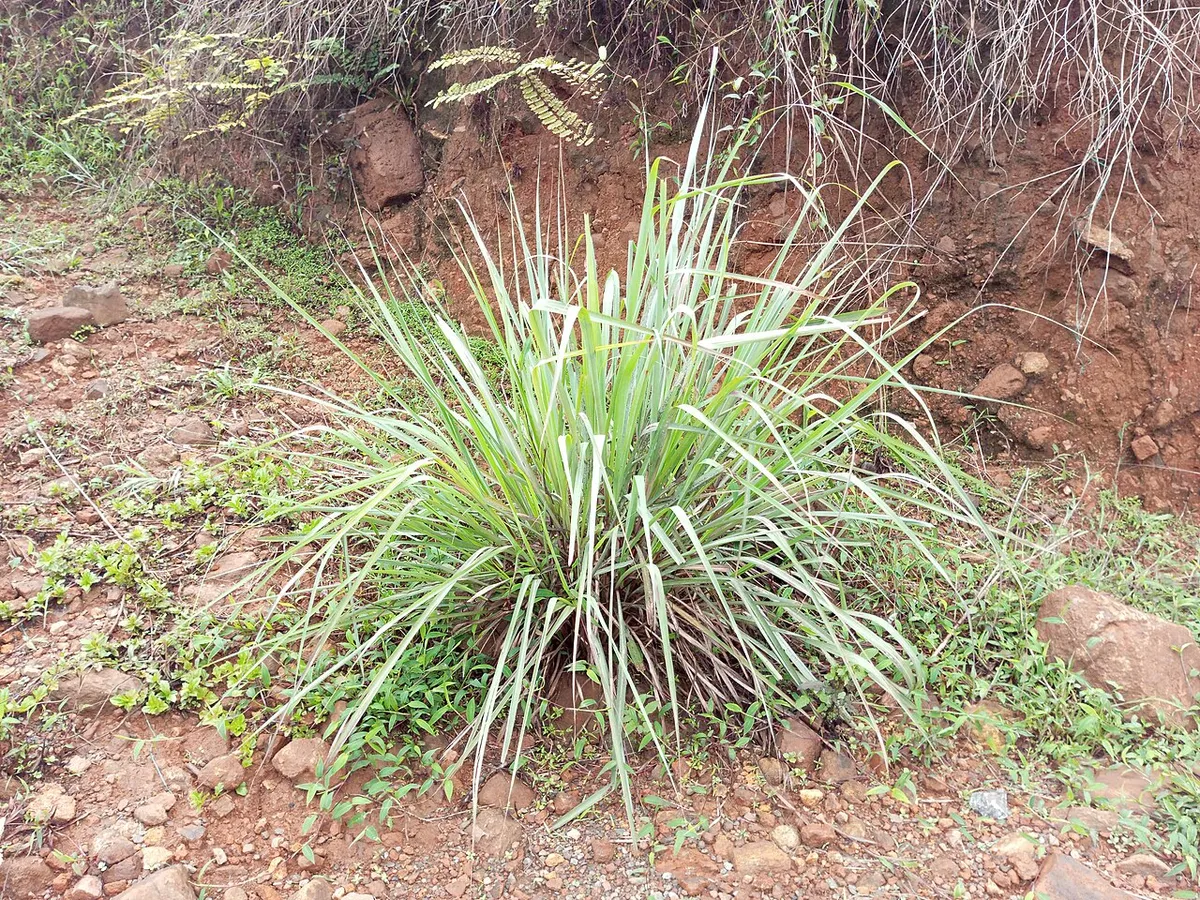
Photos: Obsidian Soul, CC0; Nativeplants garden, CC BY-SA 4.0
About Lemongrass
What it is
Lemongrass is a steam-distilled essential oil. It comes from the fresh or partly dried leaves and stems of two tropical grasses, Cymbopogon citratus and Cymbopogon flexuosus. Citral, a pair of closely related aldehydes, makes up most of the oil and drives its smell.
Where it comes from
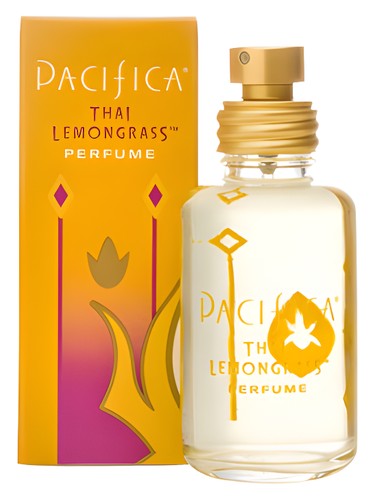
The grass is native to tropical Asia, with India and Malaysia named as early homes. India produces most of the world's oil, and Sri Lanka, Indonesia, Brazil and Guatemala also supply it. Thai lemongrass, from C. citratus, is the version perfumers describe as brighter and more floral than the East Indian oil.
What it smells like
The first impression is sharp lemon peel with a crushed-grass greenness and a faint ginger-like edge. It is less sweet than lemon itself. As it settles, a soft rosy and tea-like facet comes through from geraniol, and the smell turns herbal and slightly soapy.
In perfumery
Perfumers use lemongrass to brighten citrus, herbal and balsamic accords, and to lift heavier musks without losing its own character. It is volatile and fades within minutes unless it is anchored, so it is often fixed with sandalwood or cedar. It is often paired with bergamot, mandarin, ginger, basil, mint and vetiver.
Scent profile
Our read of the note, not a measurement.
Where it sits
Mostly a top note.