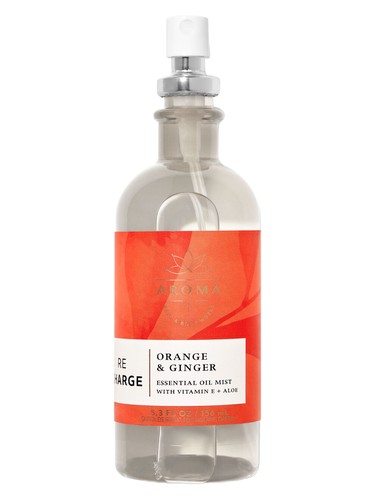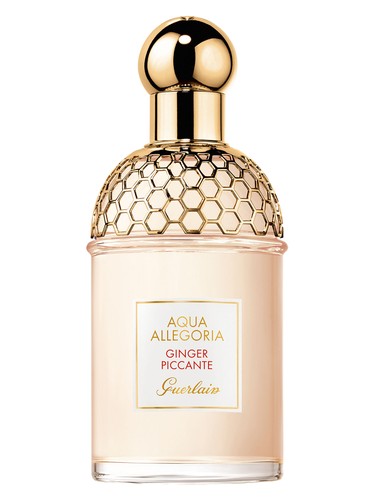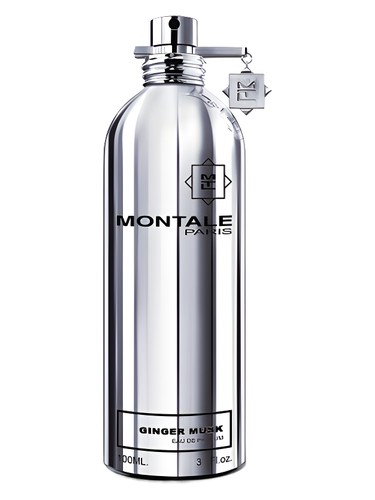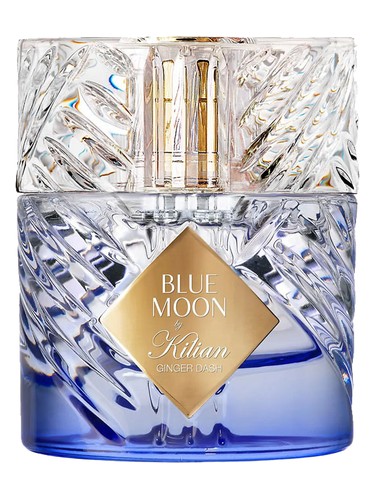
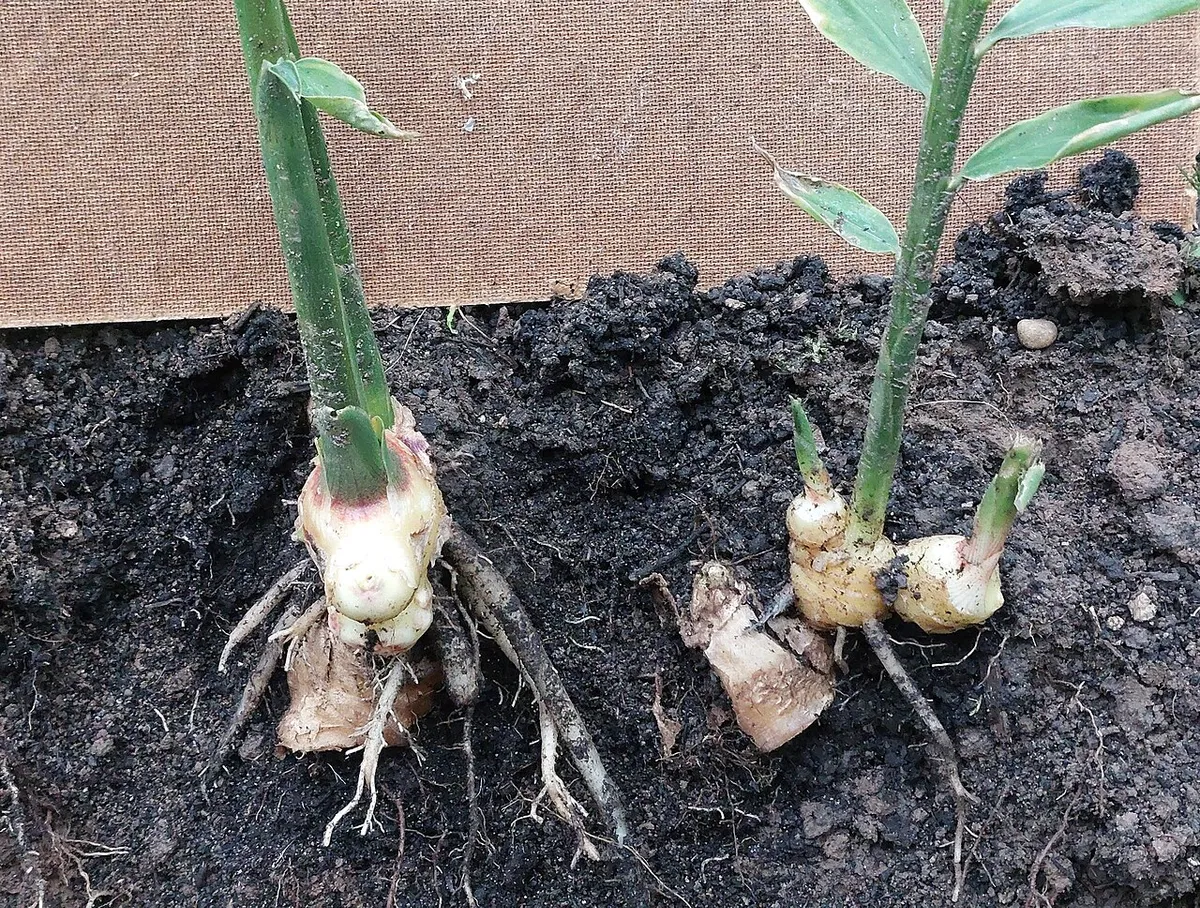

Ginger
Also known as Zingiber officinale, Zingiber officinale root oil, Ginger root oil, Shoga
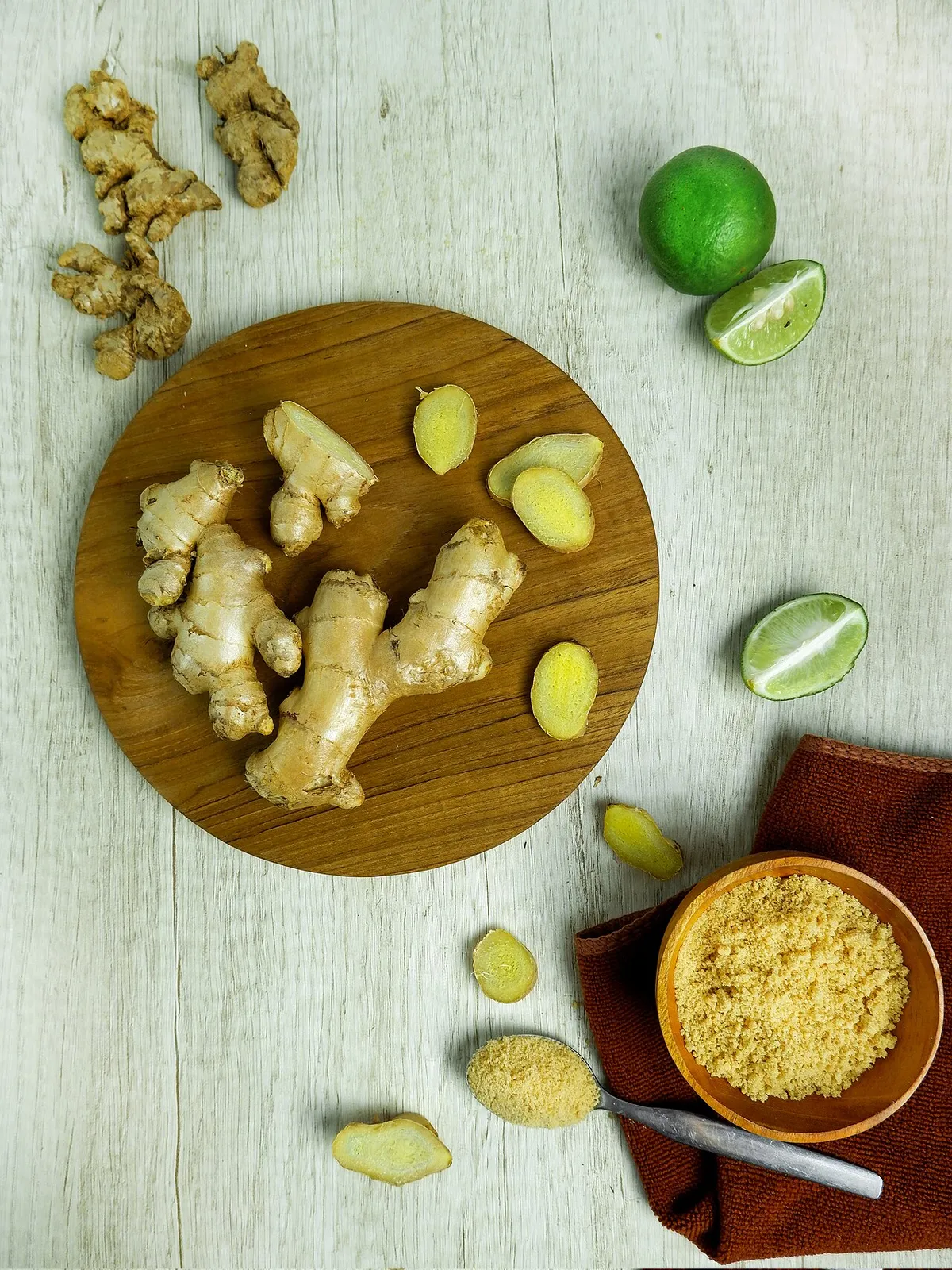
Photos: Khlshnuramalina, CC BY-SA 4.0; Schlaghecken Josef, CC BY-SA 4.0
About Ginger
What it is
An essential oil or CO2 extract made from the rhizome (the underground stem, often called the root) of Zingiber officinale. Steam distillation is the most common method, and solvent extraction gives a resinoid.
Where it comes from
The plant comes from Southeast Asia and spread through trade to India, China, the Middle East and Europe. Ginger oil is now sold from several producing countries, including China, Madagascar and Sri Lanka.
What it smells like
Fresh ginger smells zesty and sparkling, close to citrus, with a peppery, earthy bite. Dried ginger is warmer and rounder, leaning toward gingerbread. The oil can also show woody and slightly camphor-like sides.
In perfumery
Perfumers use it mostly as a top note, and often as a heart note, to add lift, warmth and a spicy edge. Steam-distilled oil suits bright openings, while CO2 extract is fuller and lasts longer. It is often paired with bergamot and other citrus, and with sandalwood, cedar, vetiver, patchouli, amber and vanilla.
Scent profile
Our read of the note, not a measurement.
Where it sits
Mostly a top and heart note.
Kinds of Ginger
Warm and spicy, with the sharp, peppery edge of ginger. Its dry, woody side comes through as the first impression fades.
African Ginger page