

Photos: Walter Siegmund (talk), CC BY-SA 3.0; Dmitry Makeev, CC BY-SA 4.0
About Cedar Leaves
What it is
An essential oil obtained from the foliage of western redcedar, not from its wood. The oil is a pale yellow to amber liquid.
Where it comes from
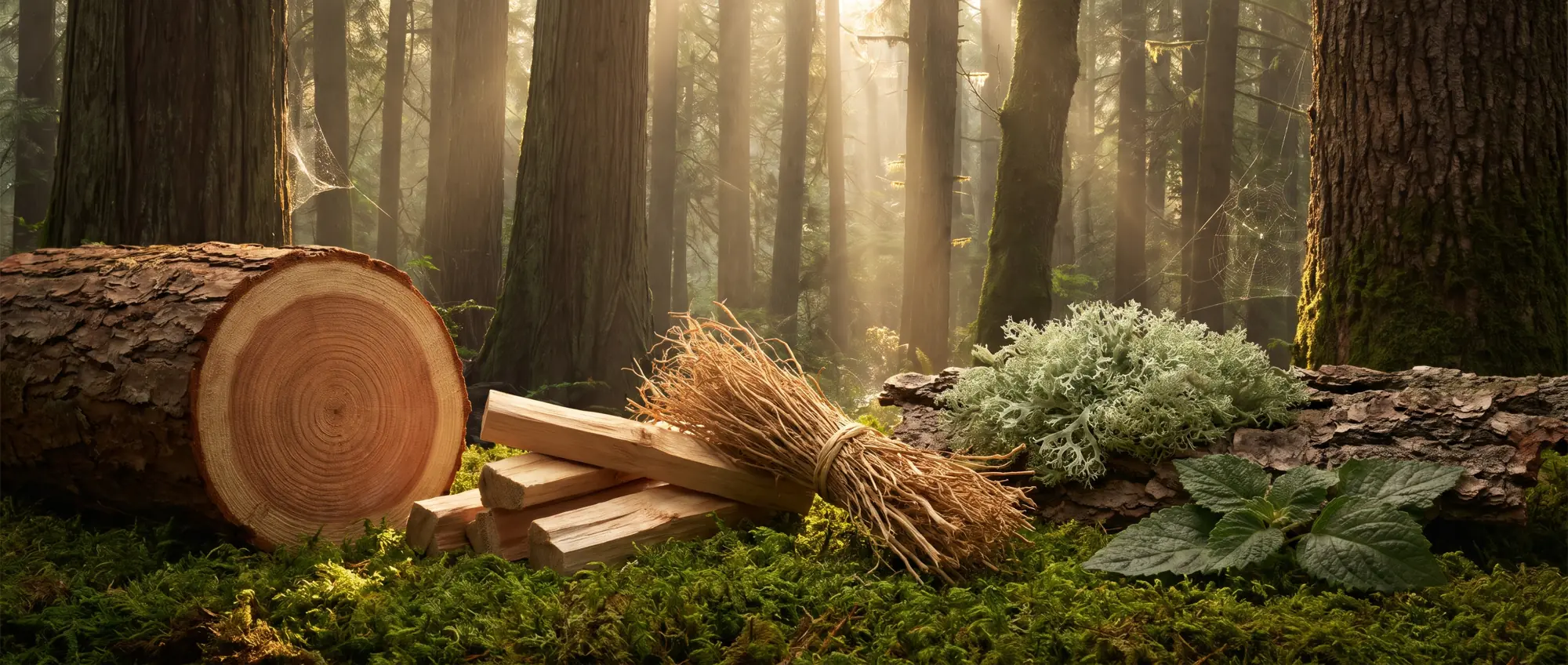
It comes from western redcedar, Thuja plicata, a tree of the Pacific Northwest of North America. Indigenous peoples of that region have long used the tree's wood for canoes, totem poles and tools.
What it smells like
Sharp and fresh at first, then herbal within a few hours. After several days it turns woody, with a dry, thujonic edge. Some describe a damp-forest quality with a faint camphor lift and a touch of resin.
In perfumery
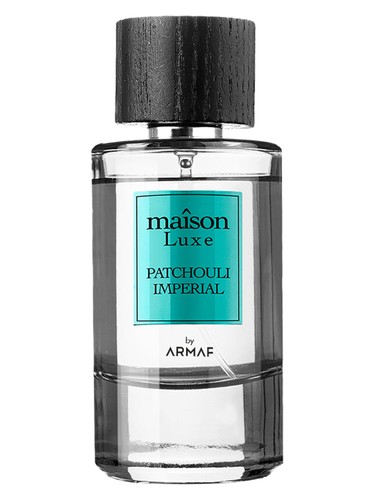
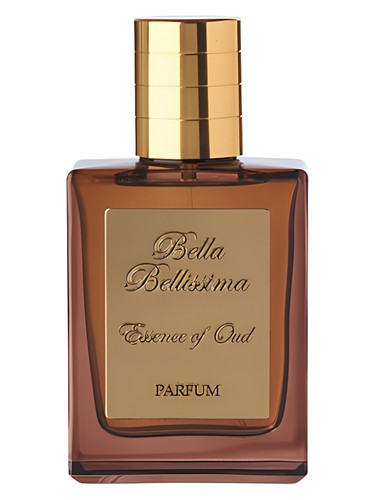
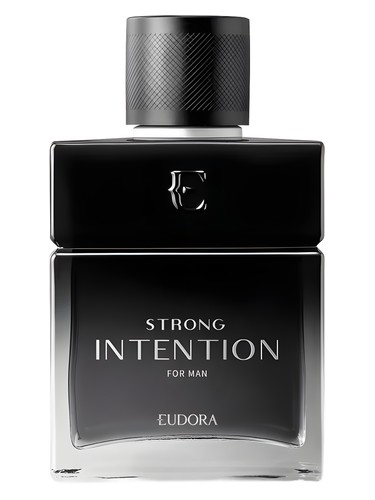
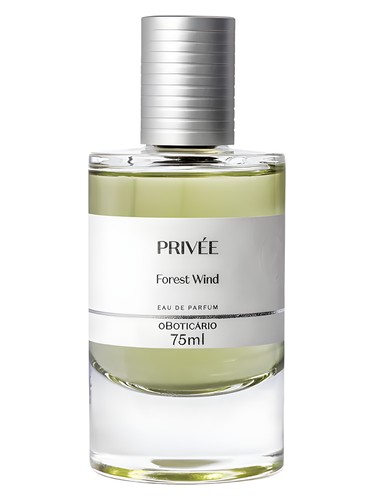
Perfumers use it as a sharp, green accent that adds dryness and an outdoors character to a blend. It is often paired with bergamot, lemon, vetiver, sandalwood and patchouli, and it appears in woody, amber and citrus accords.
Scent profile
Our read of the note, not a measurement.
Where it sits
Mostly a top and heart note.