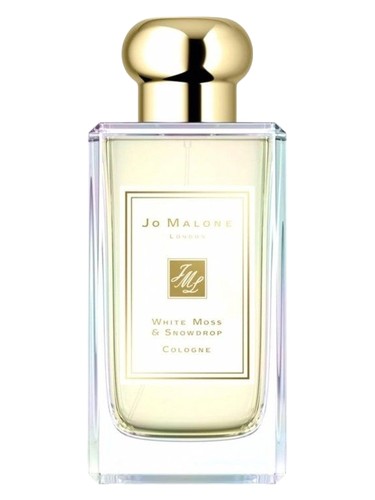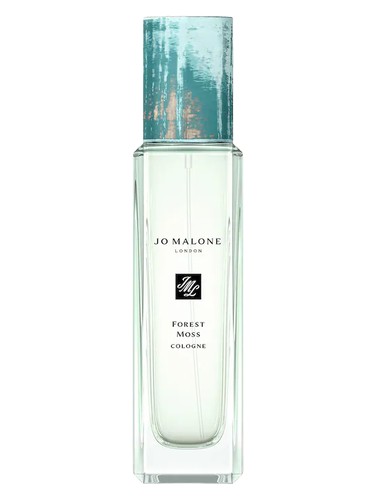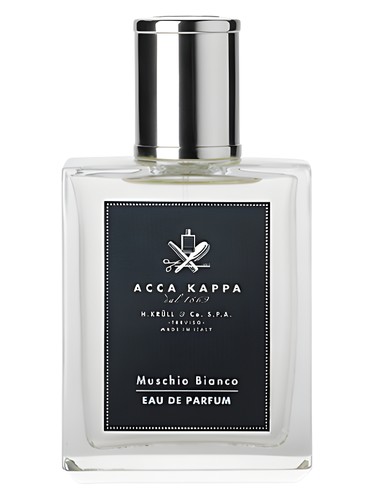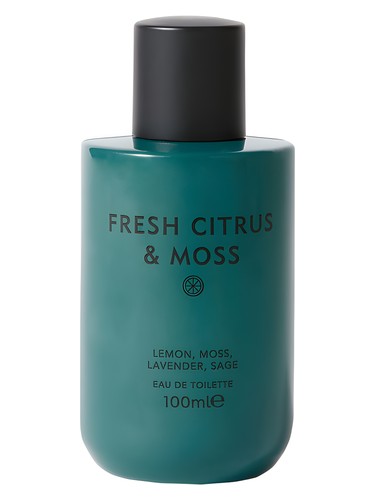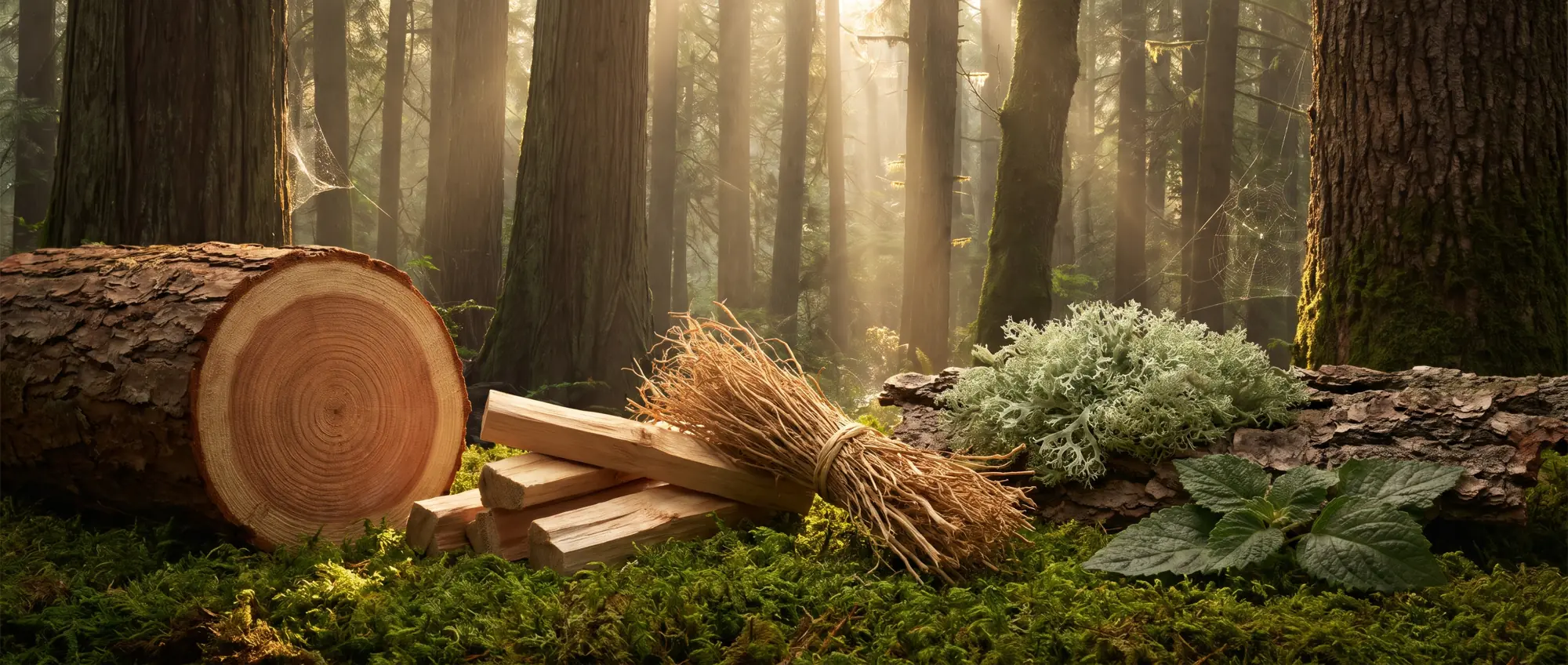


About Moss
What it is
Moss in perfumery usually means oakmoss. It is an absolute or resinoid made by solvent extraction from the lichen Evernia prunastri, which is not a true moss.
Where it comes from
The lichen grows mainly on oak trees in temperate forests. Commercial harvests come from North Macedonia, Morocco and the Balkans.
What it smells like
Dark, earthy and mossy, with a damp woodland feel. It has a slightly bitter, leathery edge and can show a pine-like freshness at first. It dries down to a sweet, dry base.
In perfumery
It is mostly a base note. It is the backbone of the chypre family and is also used in fougère and amber styles. It fixes lighter materials and adds a forest-floor depth, often next to bergamot, patchouli, musk and amber. Its use is restricted, so perfumers often rebuild the effect with synthetic substitutes.
Scent profile
Our read of the note, not a measurement.
Where it sits
Mostly a base note.