
About Cambodian Oud
What it is
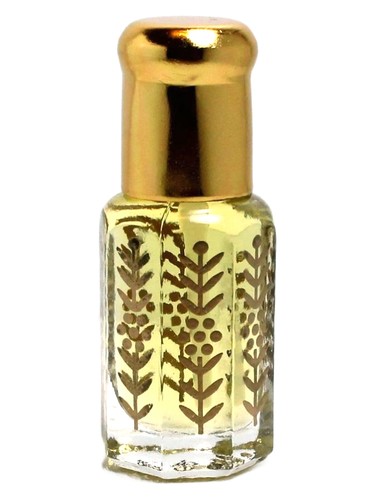
An oud, the oil distilled from agarwood, the resin-infused heartwood of Aquilaria trees. This kind comes from trees grown in Cambodia, most often named as Aquilaria crassna.
Where it comes from
Cambodia, including wild trees from provinces such as Pursat and Kampong Speu, and agarwood from near the Thai border. The resin forms when the tree is infected by a mould. Wild trees are now scarce, and much supply comes from inoculated plantation trees.
What it smells like
Woody and resinous, with a sweet, fruity side often compared to dried plum, berry and honey. It is usually described as less animalic than Indian oud and less smoky than Indonesian oud. Some describe a little smoke, spice and earth underneath.
In perfumery
Used for depth and lasting power in the heart and base. Its smoother, sweeter character makes it easy to blend. It is often paired with saffron, rose, amber, sandalwood and musk.
Scent profile
Our read of the note, not a measurement.
Where it sits
Mostly a heart and base note.