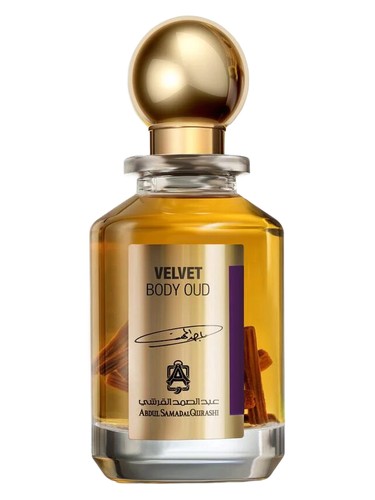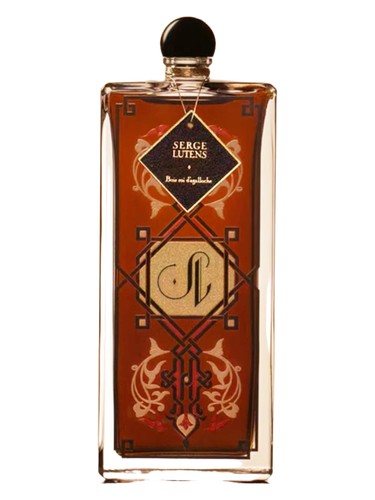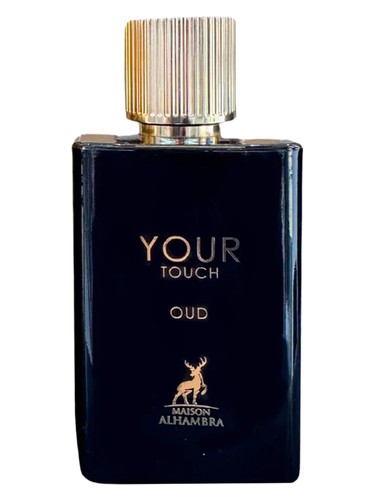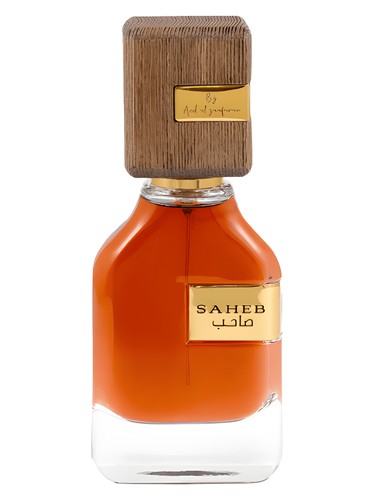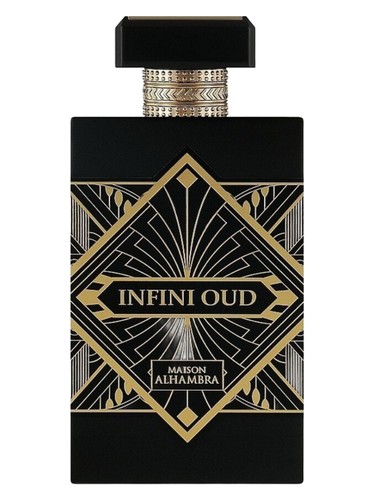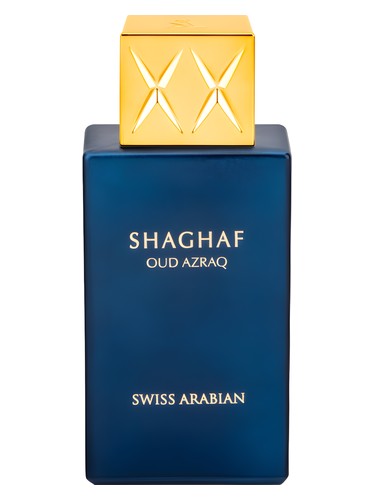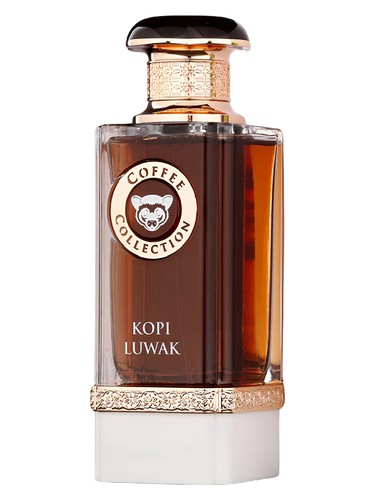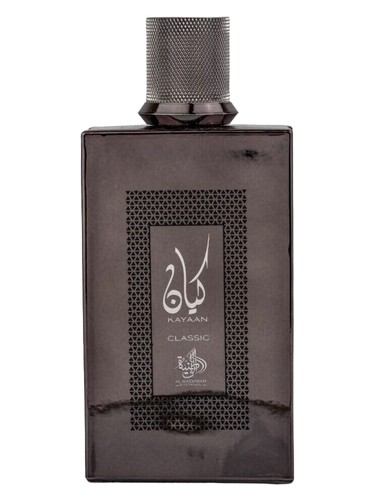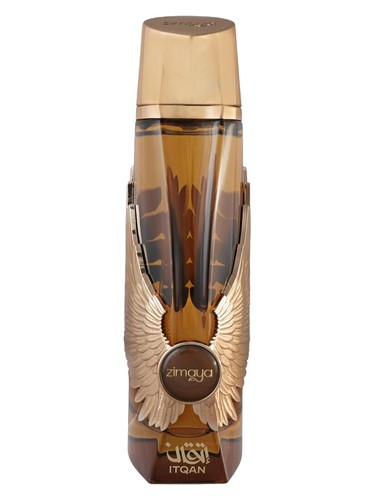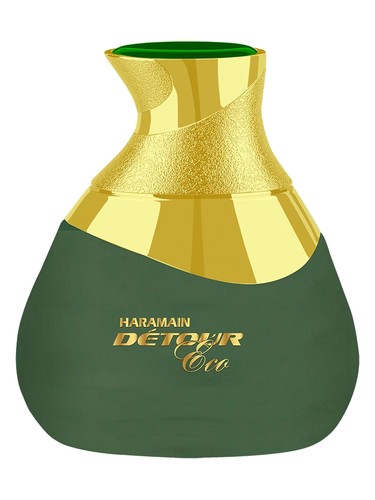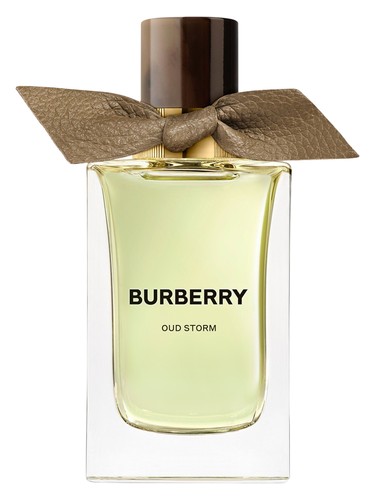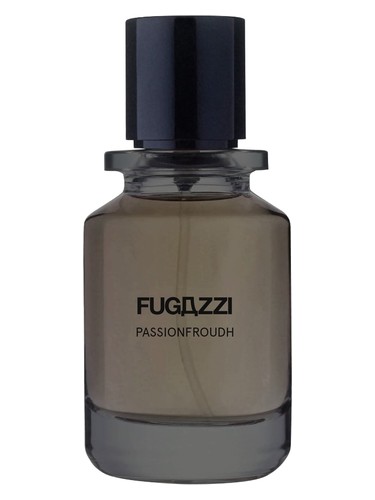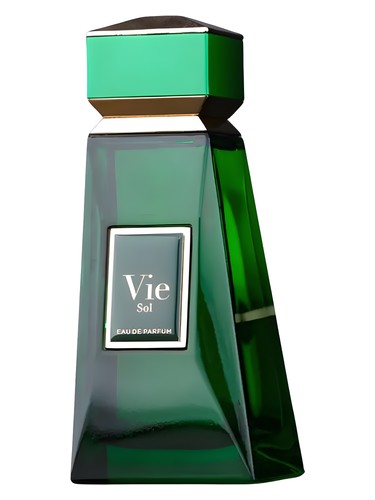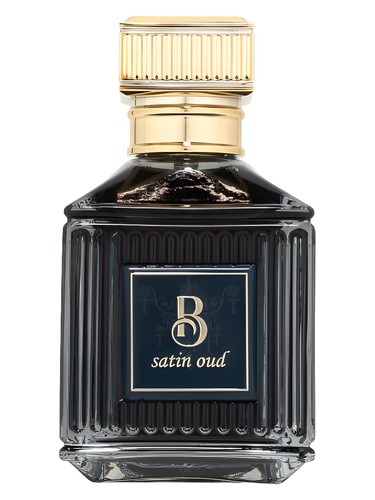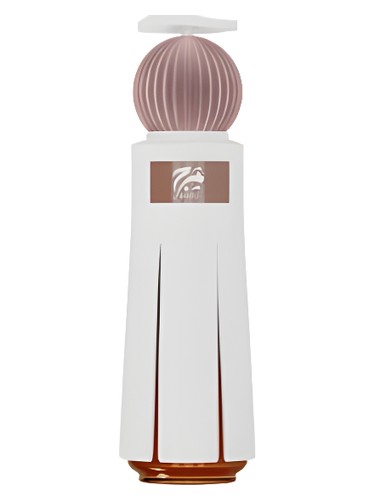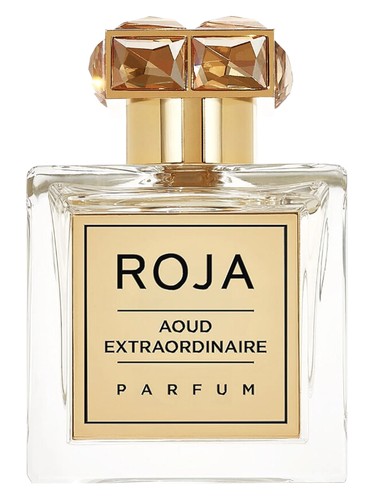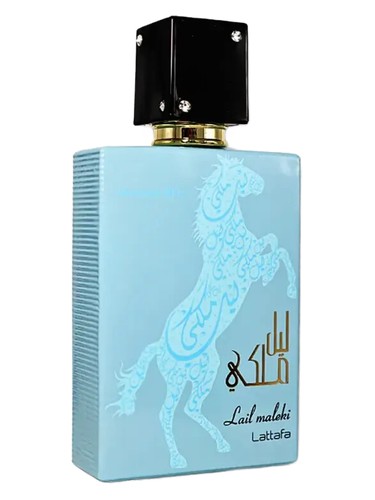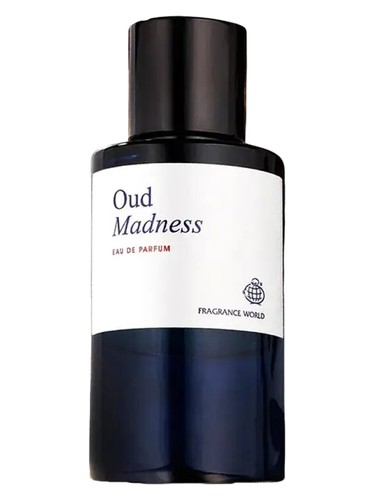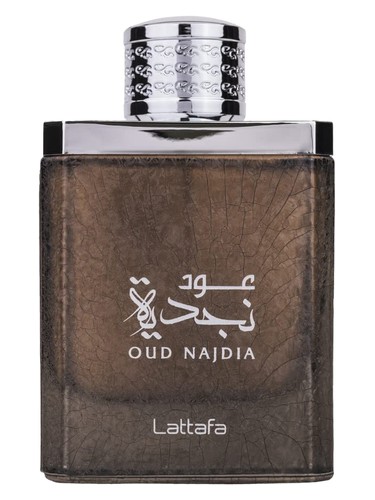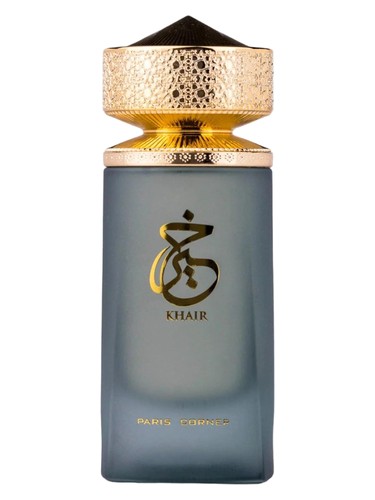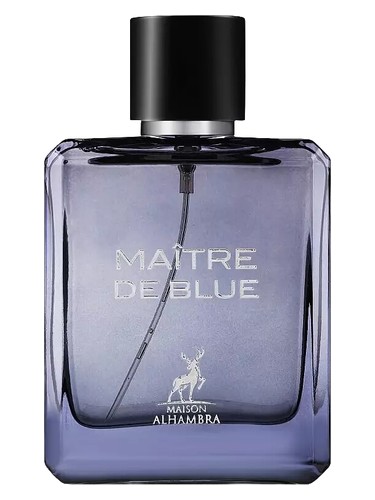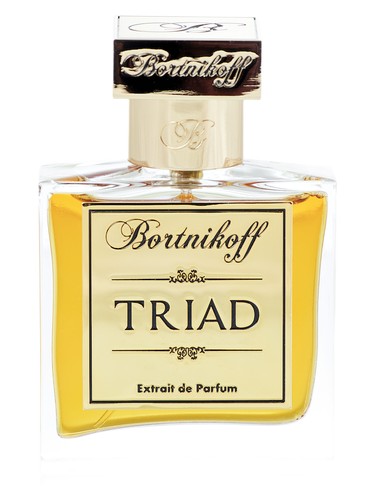


Photos: Prof. sc. gen. Stephan Alexander Peter, CC0; Rohitjahnavi, CC0
About Agarwood
What it is
A thick essential oil steam-distilled from agarwood, the dark, resin-rich heartwood of Aquilaria trees. The resin forms only when the tree is injured or infected by fungus.
Where it comes from
The trees grow in the humid forests of South and Southeast Asia, including India (Assam), Cambodia, Vietnam, Laos, Thailand, Malaysia and Indonesia. Today much of the wood comes from cultivated trees that are inoculated with fungus. The Middle East is the main centre of its use.
What it smells like
It opens smoky, bitter-sweet and woody, with a leathery, balsamic body. Over hours it turns warmer, with tobacco and animalic touches, and sometimes a dried-fruit sweetness. The smell shifts a lot on skin and varies by origin.
In perfumery
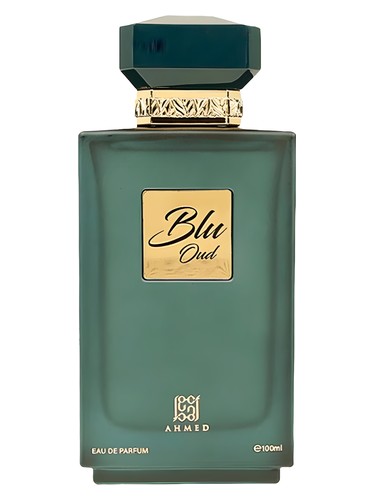
Perfumers use it to anchor oriental and woody accords, where it gives depth, a dark smoky edge and long wear. It is often paired with musk, patchouli, amber, saffron, sandalwood and rose, and bergamot is used to lift it. Many modern oud perfumes use synthetic reconstructions because the natural oil is so costly.
Scent profile
Our read of the note, not a measurement.
Where it sits
Mostly a heart and base note.