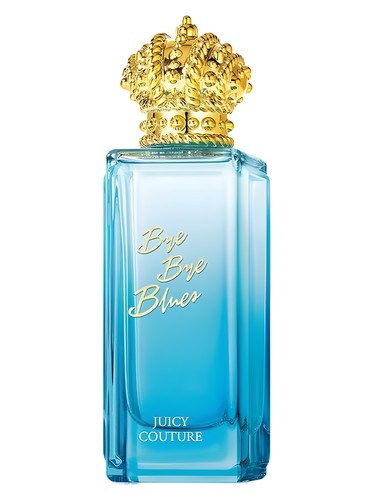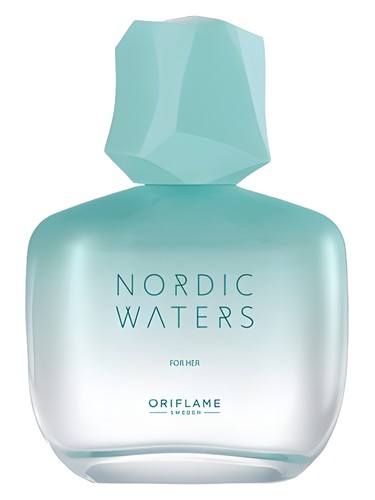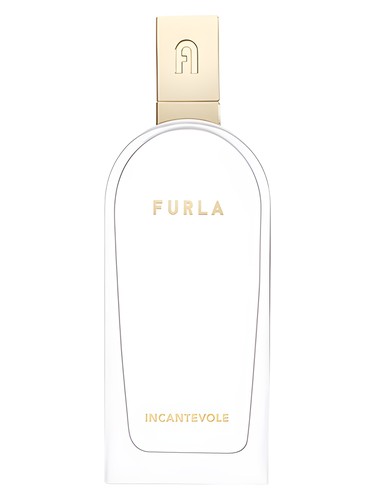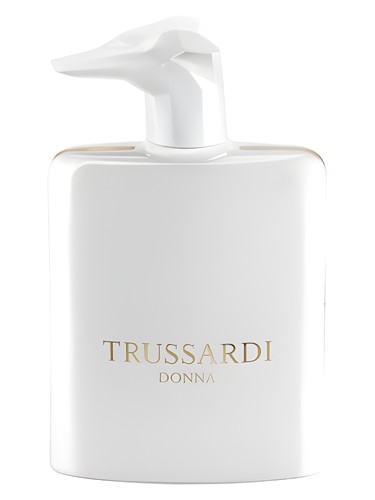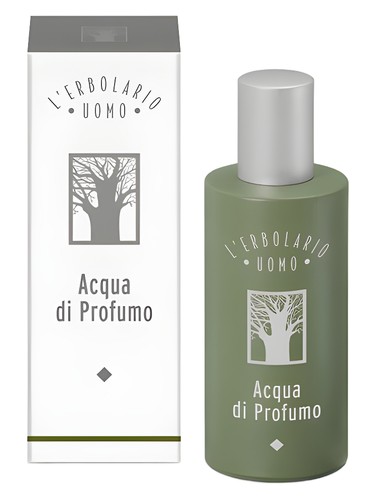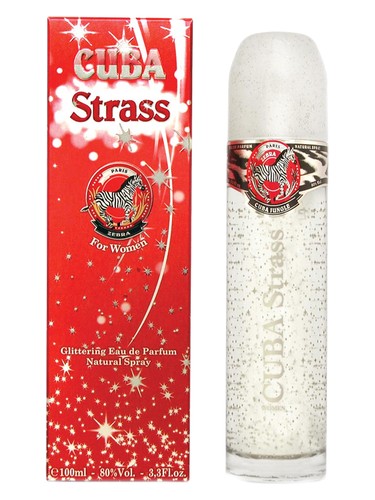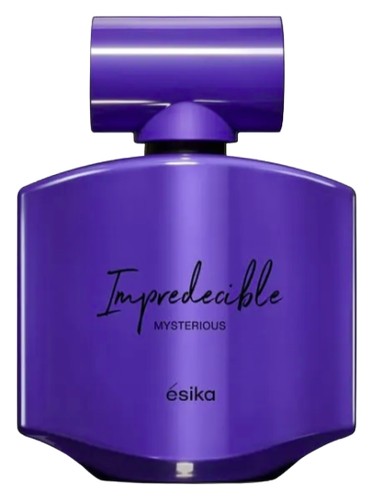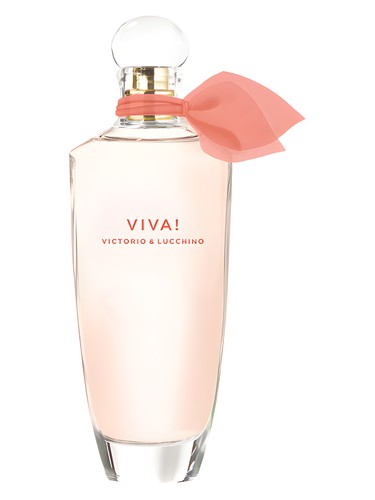

Water Fruit
Also known as Watermelon ketone, Methylbenzodioxepinone, Calone 1951
About Water Fruit
What it is
A synthetic material, built around the molecule Calone, that gives a watery fruit effect. Nothing is distilled or extracted from fruit, because the fruity-watery aromatic compounds do not survive distillation.
Where it comes from
The core molecule, Calone, was discovered by Pfizer in 1966. The note reached wide use in the early 1990s aquatic boom, when fragrances built on it became common.
What it smells like
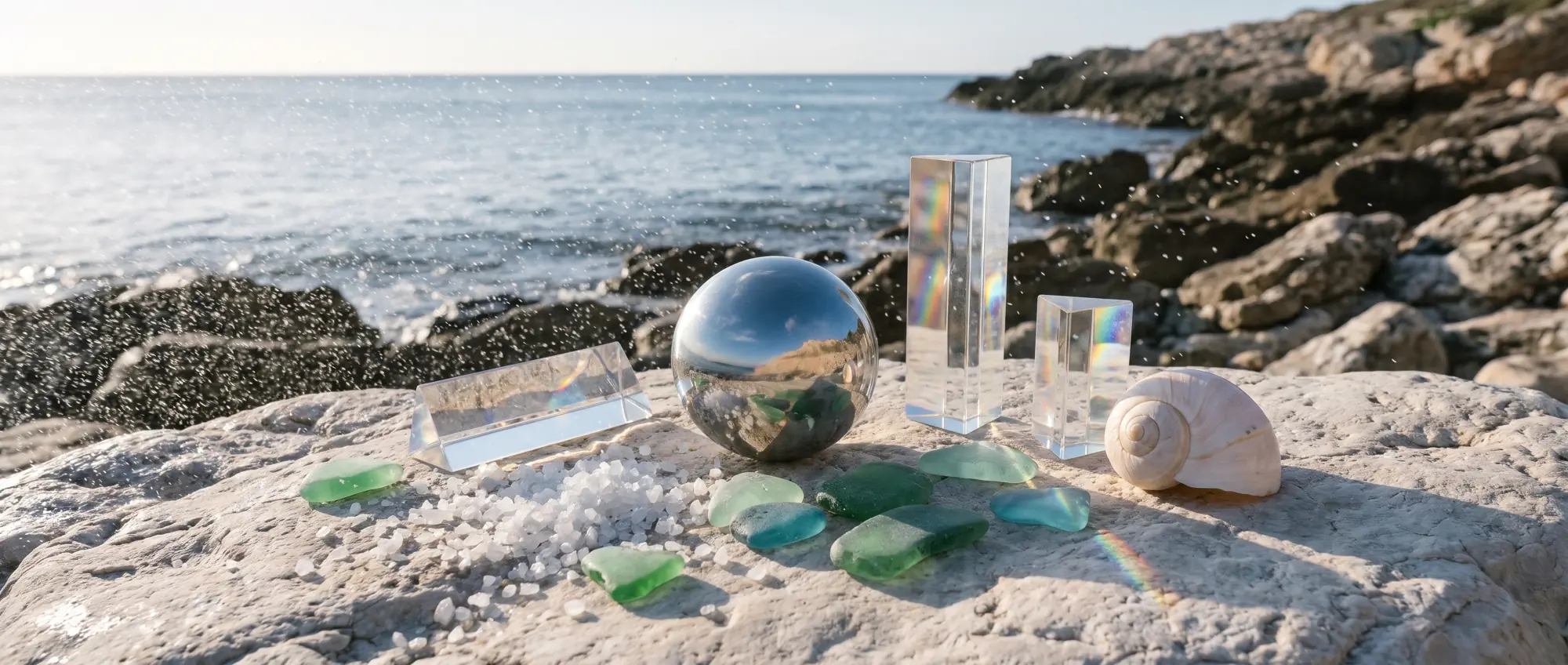
It opens fresh and green, like the rind of a cut melon or a crisp cucumber. After a few hours on skin it turns more marine and ozonic, like sea air, with a faint floral edge.
In perfumery
Perfumers use it for an early burst of freshness and to lighten heavier compositions. It is often paired with bergamot, lemon, cedar and sheer musks, and it sits well beside marine and ozonic materials and white florals.
Scent profile
Our read of the note, not a measurement.
Where it sits
Mostly a top and heart note.