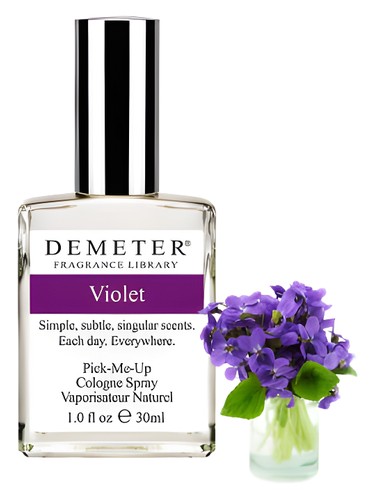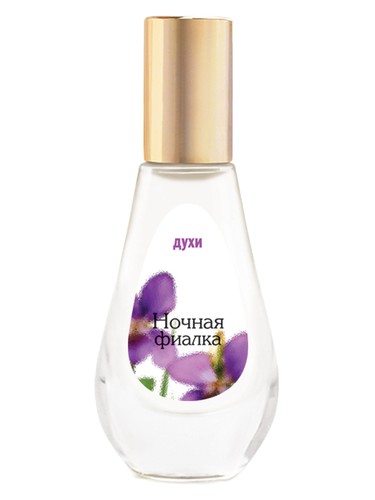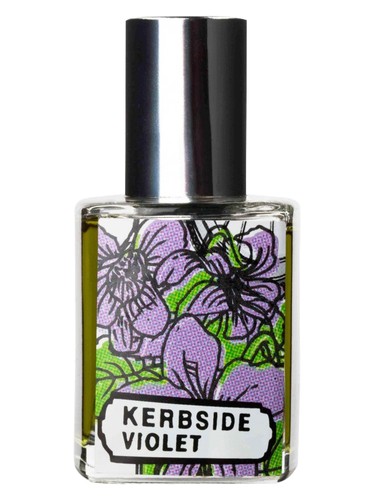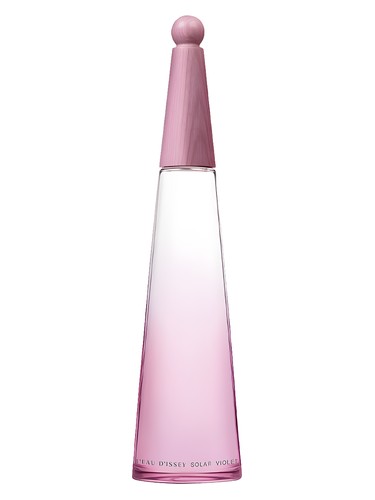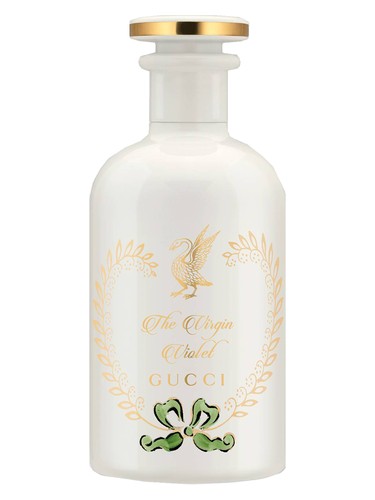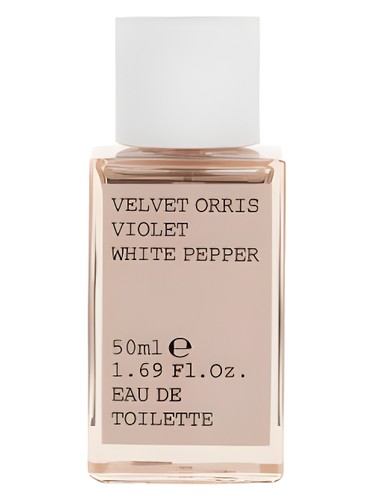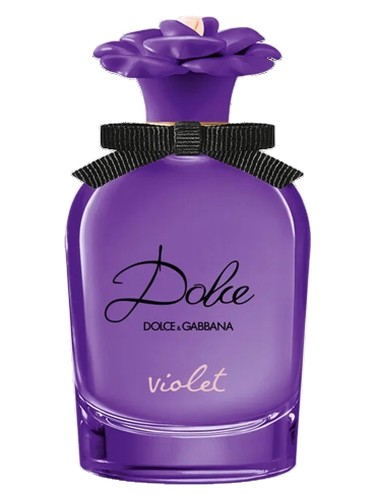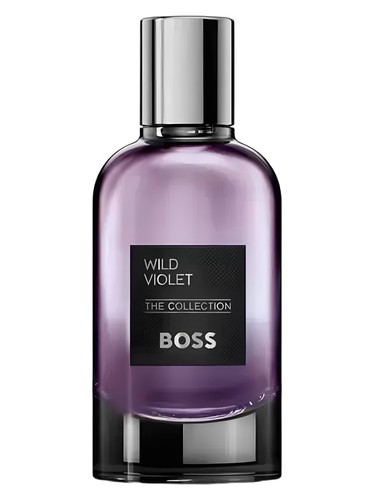

Violet
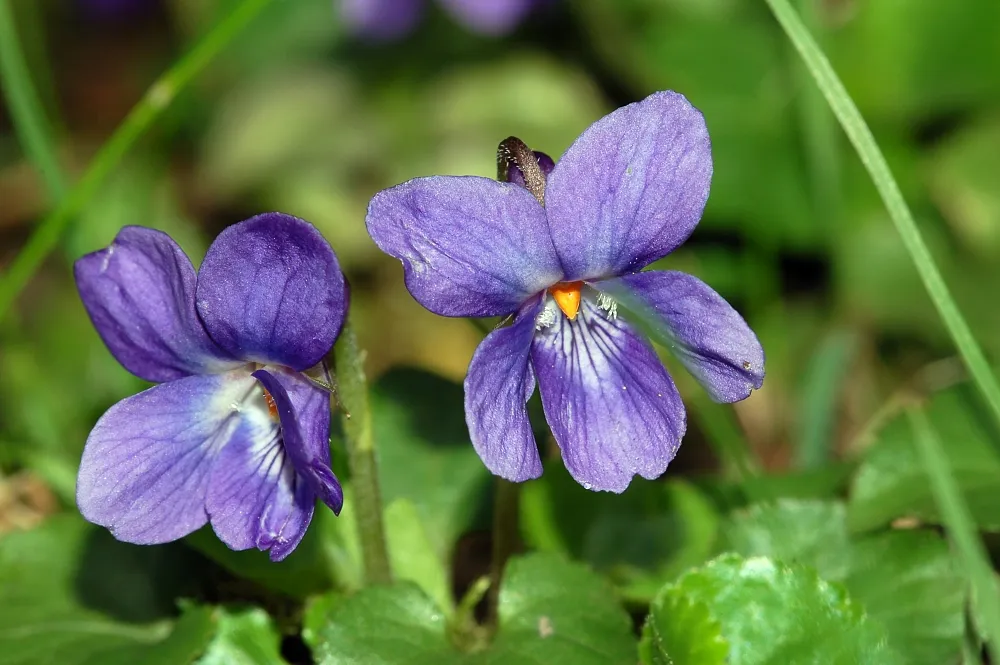
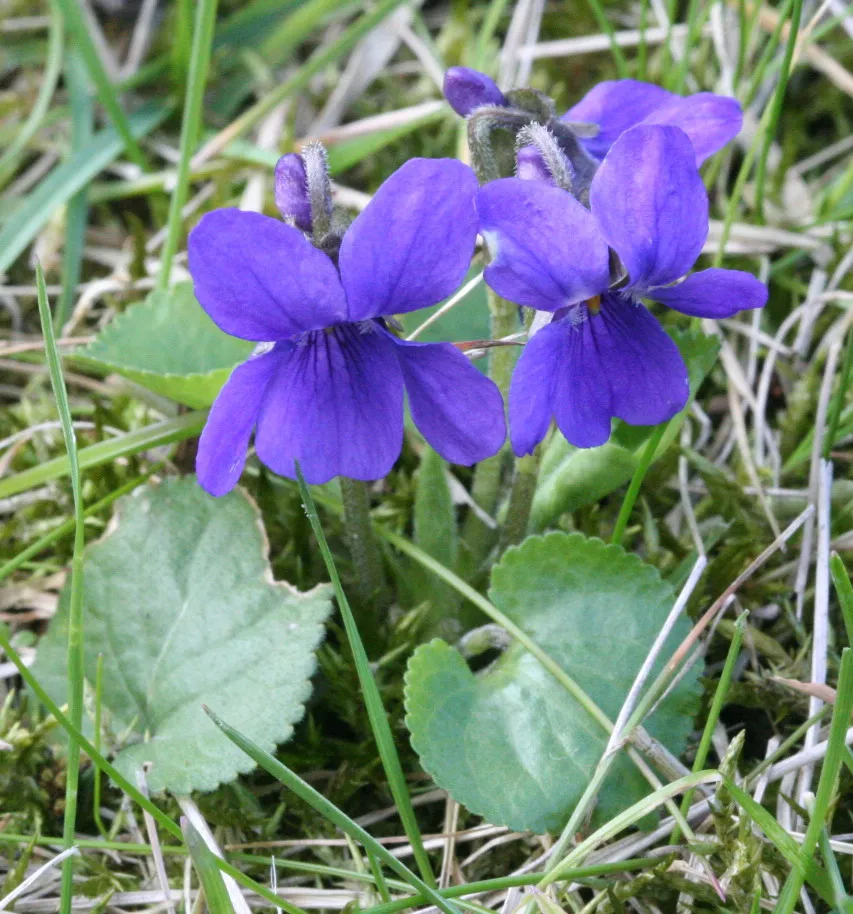
Also known as Viola odorata, Sweet violet, English violet, Parma violet
Photos: Fritz Geller-Grimm, CC BY-SA 2.5; Strobilomyces, CC BY-SA 3.0
About Violet
What it is
Violet in perfumery is mostly a lab-built accord. Its main molecules are the ionones, which recreate the flower. A separate natural material, violet leaf absolute, is solvent-extracted from the leaves of Viola odorata.
Where it comes from
The flower's scent cannot be extracted naturally in a practical way, so perfumers rebuild it. Ionones were first isolated from Parma violet by Tiemann and Kruger in 1893. Their wider availability made violet scents cheap and common in the early 20th century.
What it smells like
The flower note is sweet and powdery, a little spicy when fresh, with a soft retro feel. The leaf is green and earthy, like cut grass, with a watery cucumber or melon edge. Heavy doses of ionones can briefly dull the sense of smell.
In perfumery
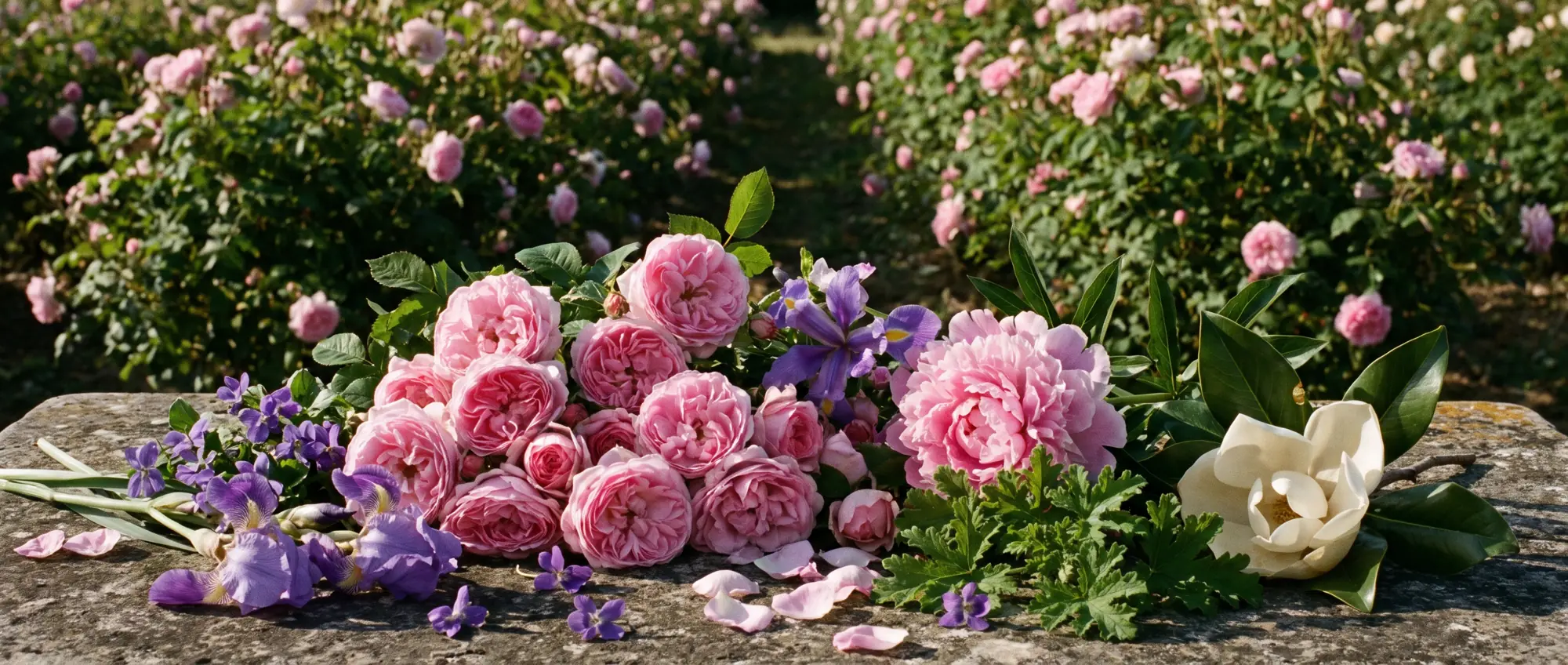
Perfumers place violet mostly in the heart, with some use in the top. It adds a powdery, cosmetic softness to florals. It is often paired with rose, and also with musk, sandalwood and amber. The leaf absolute gives green, watery freshness, often in modern masculine and fougère styles.
Scent profile
Our read of the note, not a measurement.
Where it sits
Mostly a heart note.