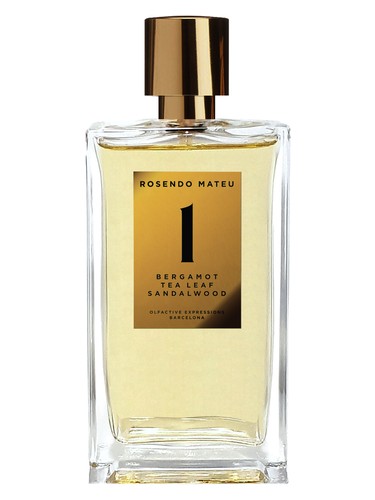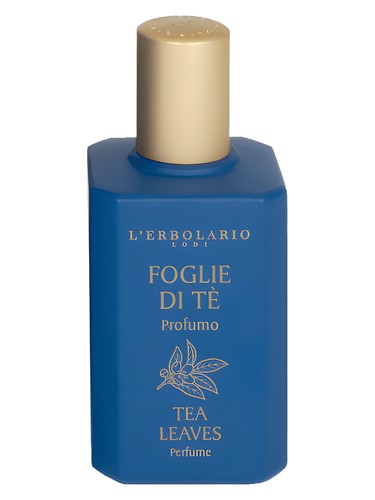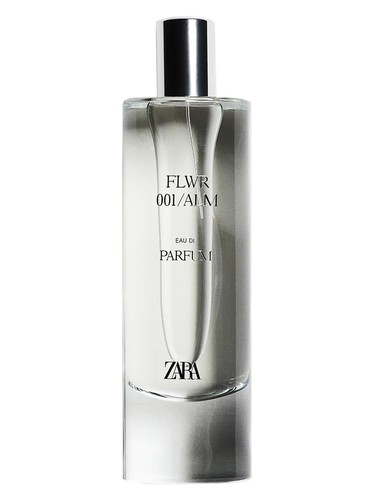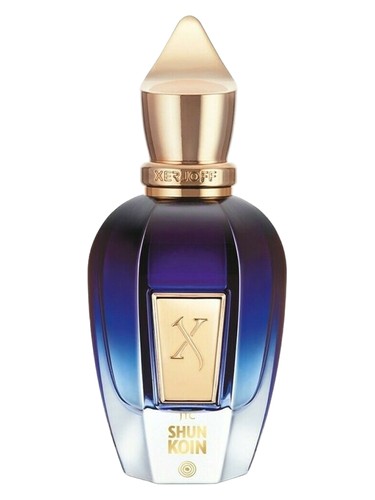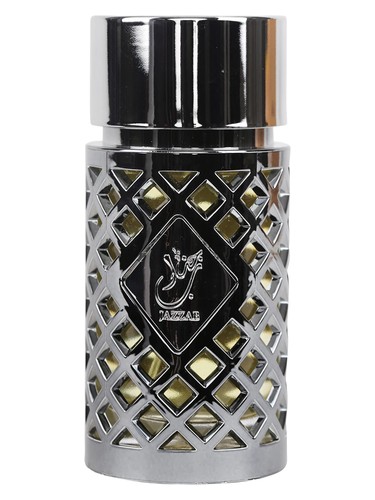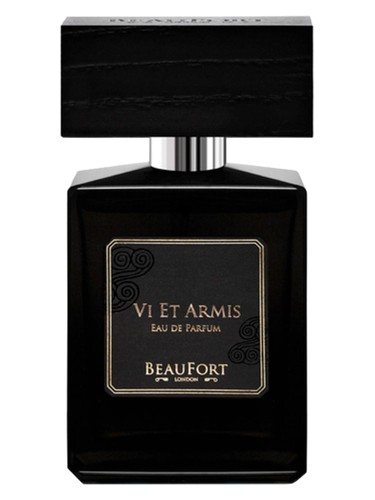


Photos: CEphoto, Uwe Aranas, CC BY-SA 4.0; Rogerirakoze, CC BY-SA 4.0
About Tea Leaf
What it is
A natural material made from the young leaves of Camellia sinensis, the plant behind true teas. It is taken as an absolute by solvent extraction, as an oil by steam distillation, or by supercritical CO2. Many tea effects in perfume are instead built from synthetic molecules, because the leaf material is costly and less direct.
Where it comes from
The material comes from the leaves of Camellia sinensis, grown in tea-producing countries in Asia. Perfumers also build tea accords from molecules such as hedione and cis-3-hexenol, so the smell of tea in a perfume often comes from the lab rather than from the leaf.
What it smells like
The first impression is crisp, freshly cut green leaf with some grass. It then turns herbal, a little astringent and earthy, with a faint floral lift. Black tea versions read smoky and woody, while matcha reads grassy and creamy.
In perfumery
Perfumers use tea to add a dry, green freshness and a slightly bitter astringency that keeps sweet or floral parts from feeling heavy. It is often paired with bergamot and lemon for brightness, with jasmine or rose for a floral bridge, and with cedar or sandalwood for warmth in the drydown.
Scent profile
Our read of the note, not a measurement.
Where it sits
Mostly a top and heart note.