
Mayflower
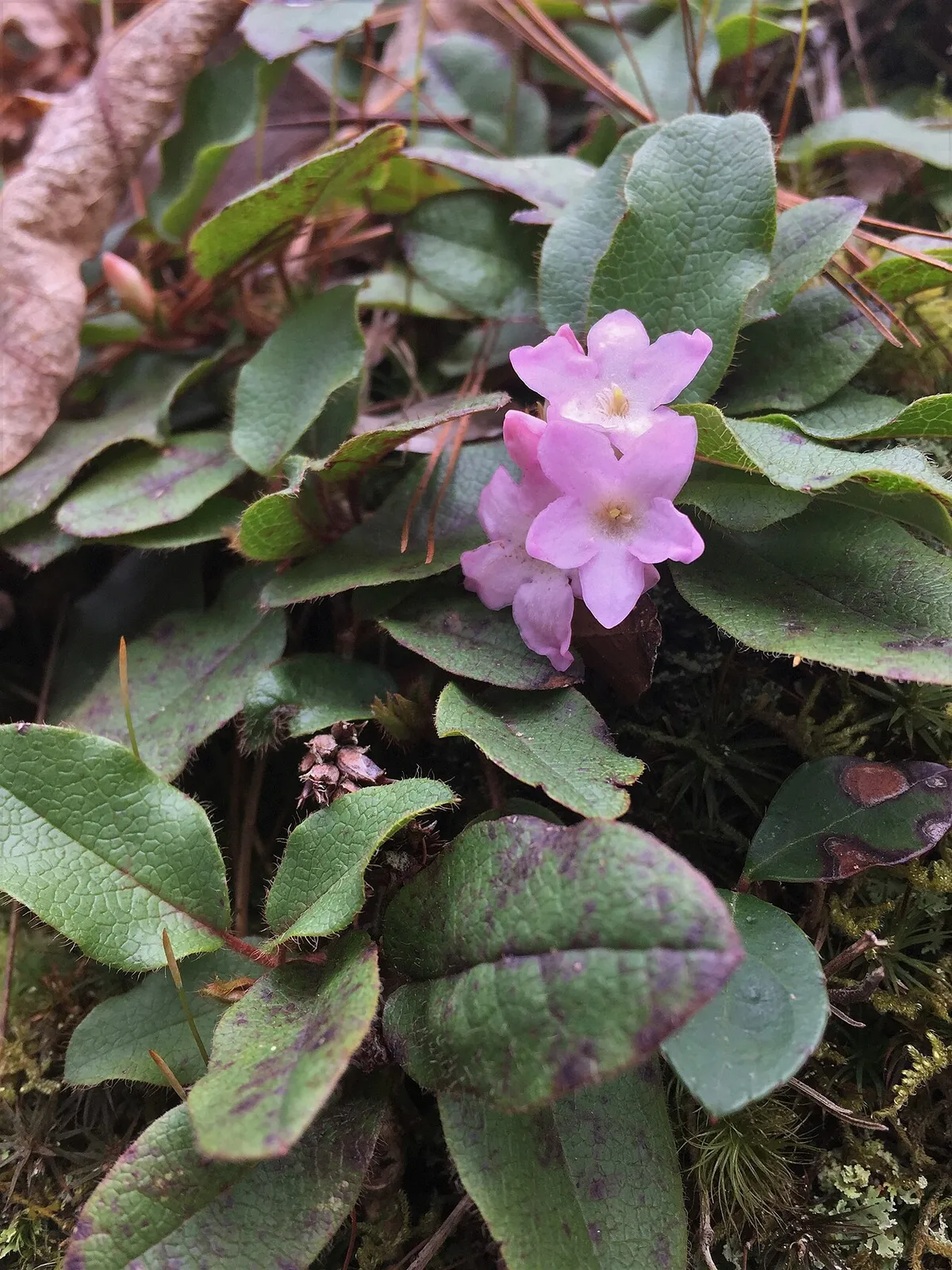
Also known as Epigaea repens, trailing arbutus
Photos: B. Domangue, CC BY-SA 4.0
About Mayflower
What it is
Mayflower is a name for a floral effect rather than one fixed raw material. Perfumery versions are usually synthetic accords built from aroma chemicals, not an extracted oil.
Where it comes from
The name points to two plants. One reference ties it to trailing arbutus (Epigaea repens), a creeping evergreen of North America. Another ties it to hawthorn blossom (Crataegus monogyna) of Britain and Europe, which the perfume version is built to suggest.
What it smells like
The first impression is a sweet, fresh white floral with a light green edge. Some versions show a faint bitter-almond and anise-like undertone, and the note settles into a soft, slightly wild floral.
In perfumery
Perfumers use mayflower as a light heart accord that adds freshness and softness to white floral and green compositions. It is often paired with lily of the valley, rose, galbanum and grapefruit, and with woody bases such as sandalwood and cedar.
Scent profile
Our read of the note, not a measurement.
Where it sits
Mostly a top and heart note.