

About Marmalade
What it is
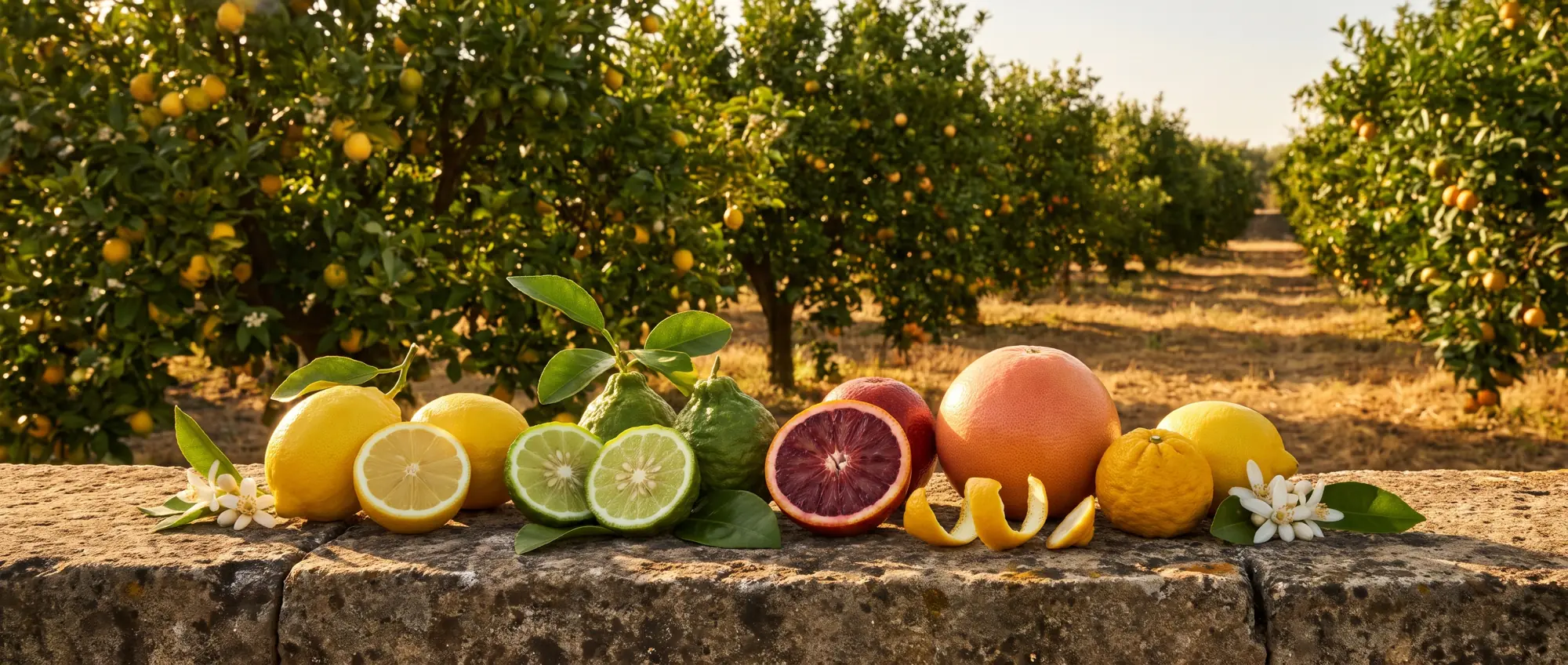
A lab-built accord, not a natural oil. Perfumers assemble it to copy the smell of a citrus-peel preserve, using bitter orange facets with sugary, cooked notes.
Where it comes from
The model is the British orange marmalade tradition, made from Seville oranges, which goes back to the 18th century. The accord itself is built by perfume houses and has no single maker.
What it smells like
The first impression is sharp, bitter zest from the peel. Under it sits a jammy, cooked-fruit sweetness with a faint caramelised edge. It reads as lively and close to something you could eat.
In perfumery
Perfumers use it to give a citrus opening more body and staying power than a plain orange or lemon facet. The bitterness keeps the sweetness from turning flat. It is often paired with amber, rose, bergamot, musk and patchouli, and with geranium or cardamom in more unusual blends.
Scent profile
Our read of the note, not a measurement.
Where it sits
Mostly a top note.