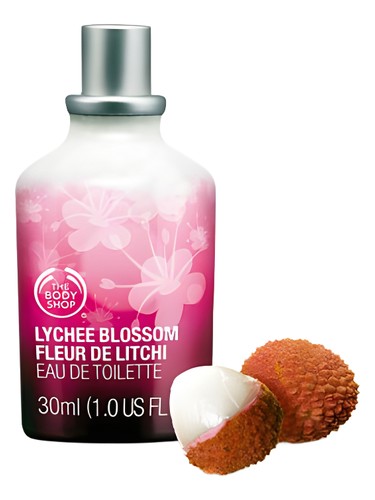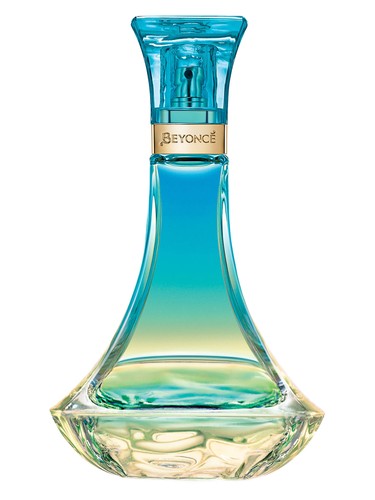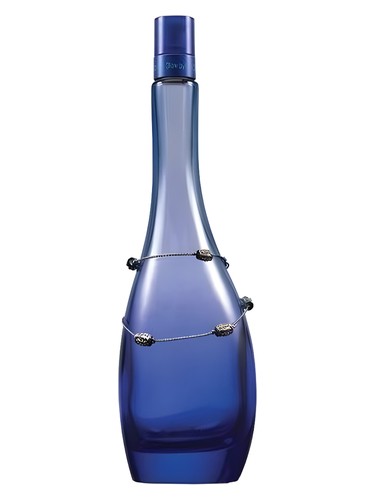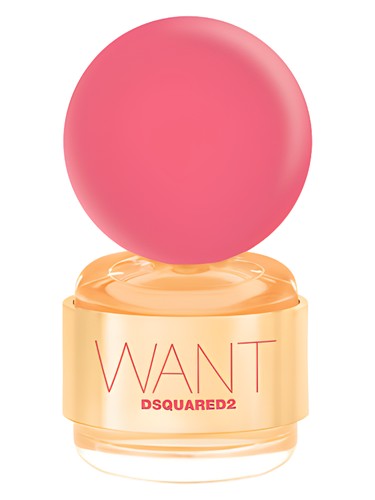

Mangosteen
Also known as Garcinia mangostana, mangostan, purple mangosteen
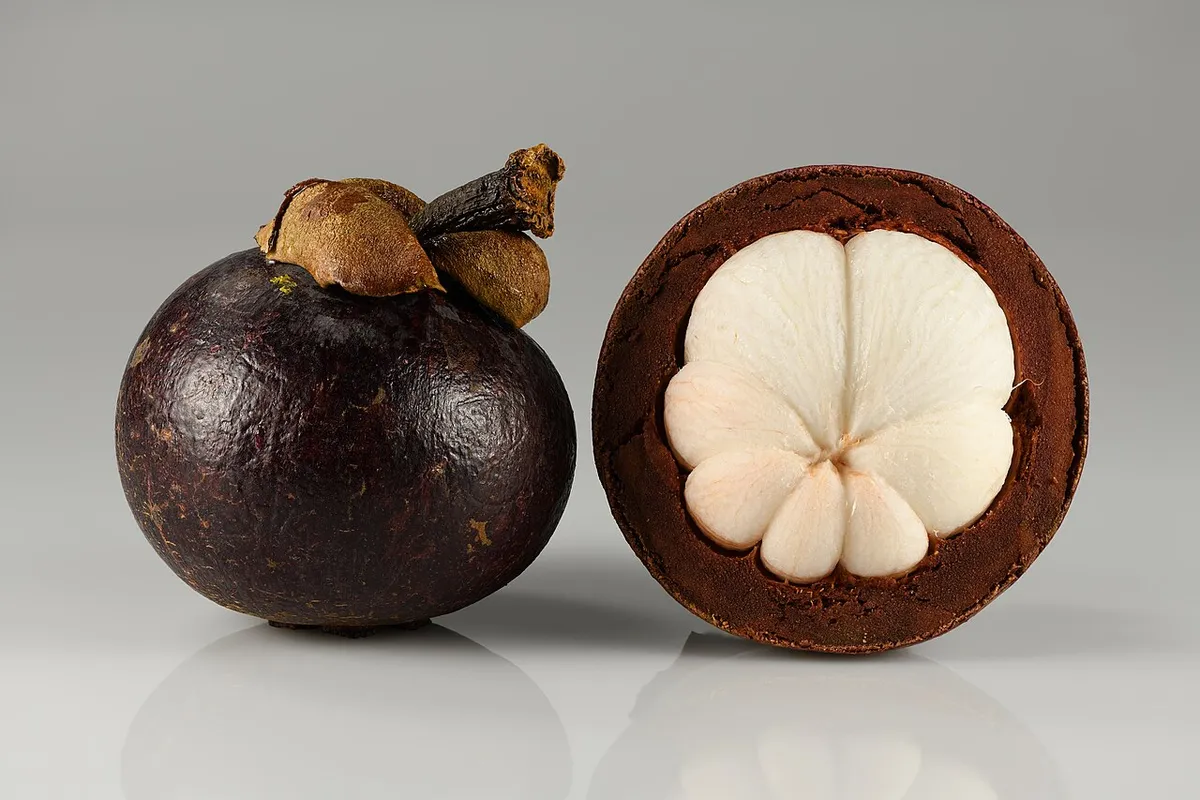
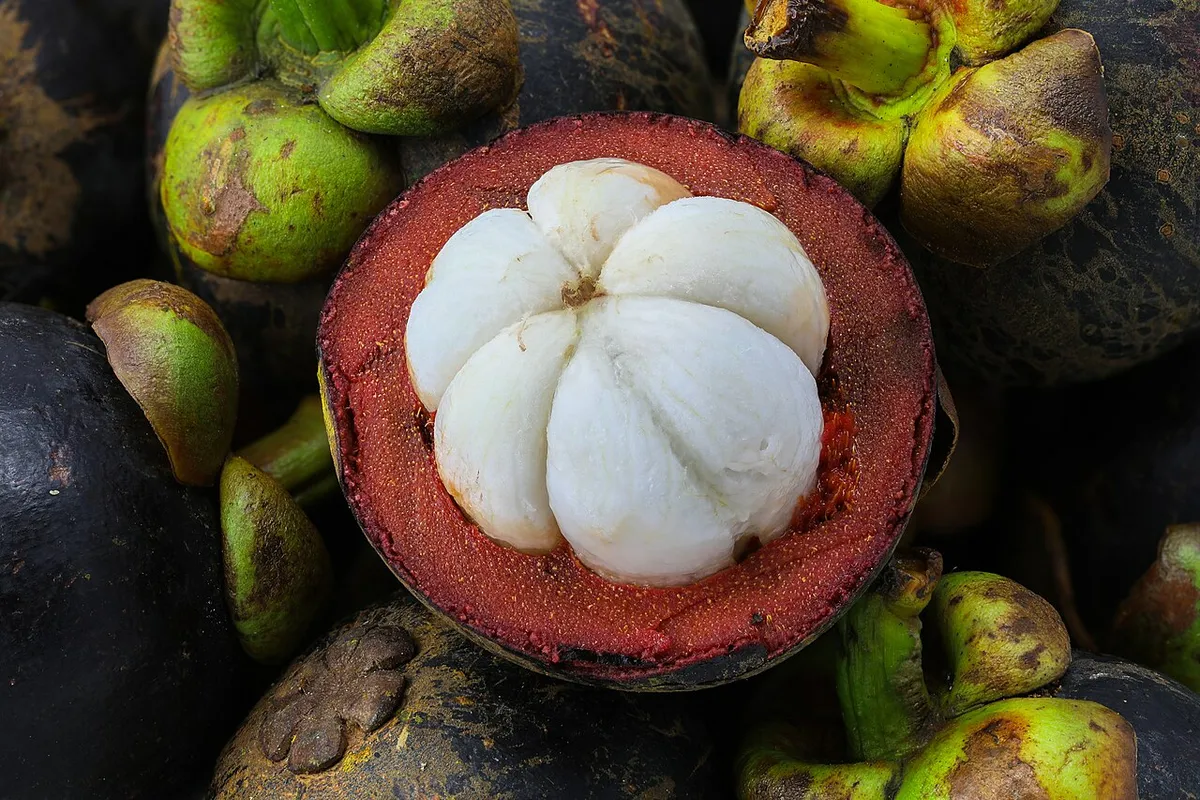
Photos: Ivar Leidus, CC BY-SA 4.0; Basile Morin, CC BY-SA 4.0
About Mangosteen
What it is
Mangosteen in perfumery is mostly a synthetic accord built from aroma chemicals rather than a distilled oil of the fruit. Natural extracts exist, but they are used mainly in food flavoring.
Where it comes from
The note imitates the flesh of the mangosteen, the fruit of Garcinia mangostana, a slow-growing tropical evergreen native to the Malay Archipelago and nearby Southeast Asia, including Malaysia, Indonesia, Thailand, Myanmar and the Philippines. The fruit's own aroma is very mild, so the perfume version is a construction rather than a copy.
What it smells like
The first impression is lychee-like and rosy, with a light citrus freshness. It settles into a soft musky warmth and a gentle sweetness.
In perfumery
Perfumers use mangosteen to give warm-weather and tropical-luxury fragrances a juicy, fruit-and-flower lift. It is often paired with lychee, jasmine, rose, bergamot and white musks, and it sits well against white florals and woody or resinous bases such as sandalwood and oud.
Scent profile
Our read of the note, not a measurement.
Where it sits
Mostly a top note.