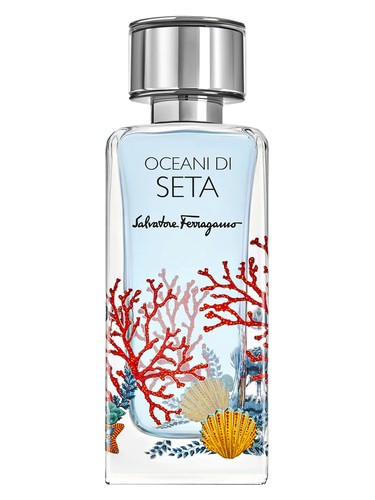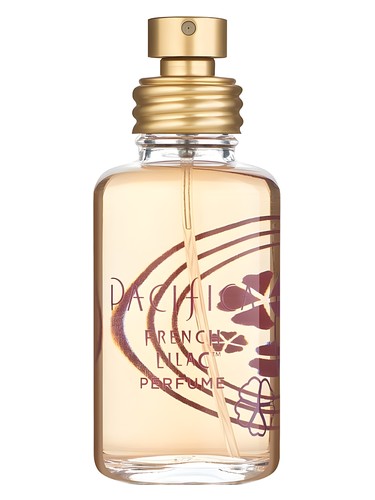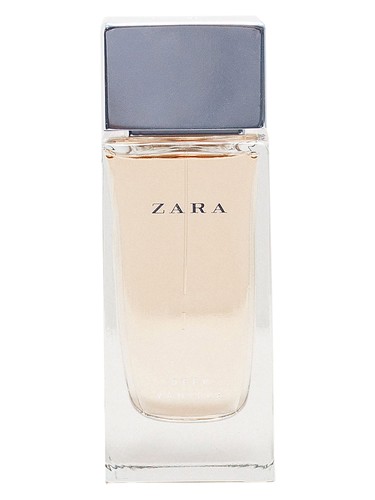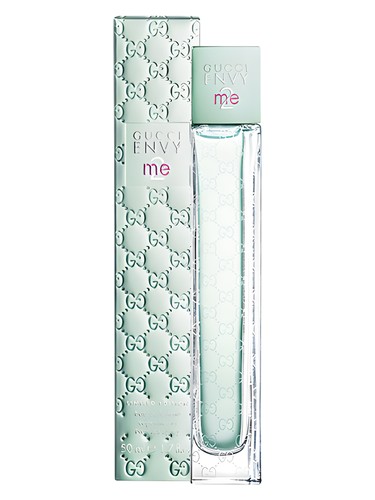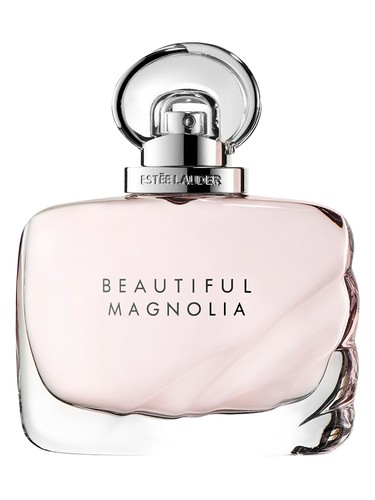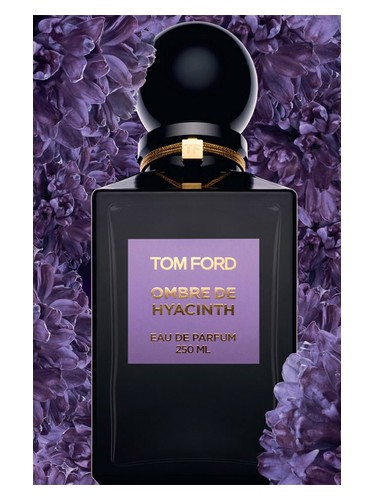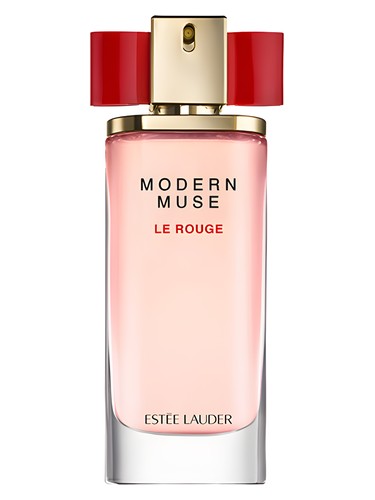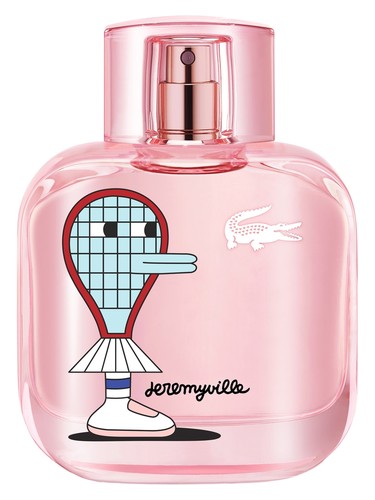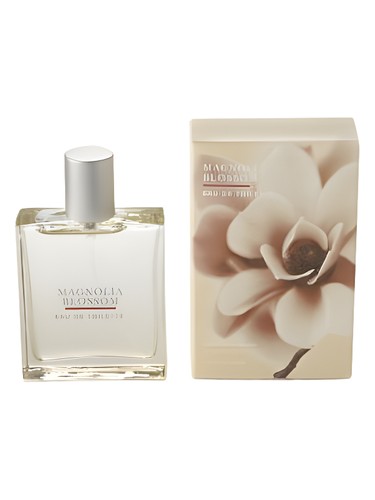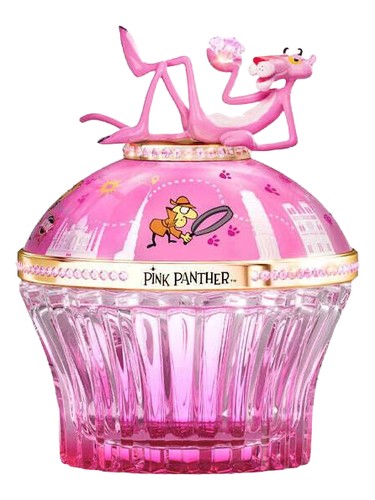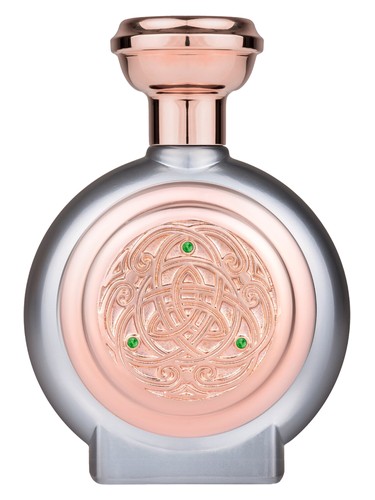


Photos: Jim Evans, CC BY-SA 4.0
About Magnolia Petals
What it is
A natural material made from magnolia blossoms. Solvent extraction of the flowers gives a greenish-yellow concrete, and steam distillation of that concrete gives a semi-solid oil. A small amount of leaf oil is also produced.
Where it comes from
China is the largest producer, supplying over 70% of commercial magnolia oil, mainly from Guangxi and Fujian. Smaller sources include the southern United States, Grasse in France, and India, where Magnolia champaca grows in West Bengal and Assam.
What it smells like
A creamy, lemony, waxy white floral with a powdery edge and a slight spice. Linalool and myrcene carry most of the scent, with traces of indole and ionones adding depth underneath.
In perfumery
Perfumers usually build the heart of a floral with it, using it to give a creamy, lemony body. It is often paired with jasmine, bergamot, sandalwood or musk. Many compositions use synthetic stand-ins such as hydroxycitronellal and linalool instead, for consistency and cost.
Scent profile
Our read of the note, not a measurement.
Where it sits
Mostly a top and heart note.