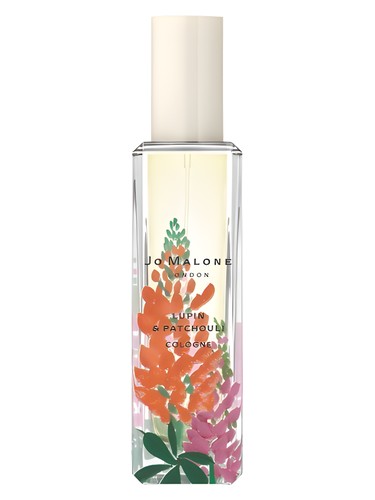


About Lupin
What it is
Lupin is a synthetic accord, not a natural extract. Perfumers build it from aroma chemicals because the flowers of the lupin plant give off too few volatile compounds for economical distillation.
Where it comes from
The name comes from Lupinus, a genus of legume-family plants found in Europe, Russia, Australia and the Americas. The accord imitates the flowers of these plants.
What it smells like
Lupin opens green and lemon-like with a fruity touch, and reads as a soft, sweet floral with powdery undertones. Its sweetness is light and close to honey, with a faintly green, beany edge.
In perfumery
Perfumers use lupin in the heart to give a soft, sweet floral character and a fresh, botanical green lift in garden-style florals. It is often paired with rose, moss and birch, and it sits well with light musks and soft woods.
Scent profile
Our read of the note, not a measurement.
Where it sits
Mostly a heart note.