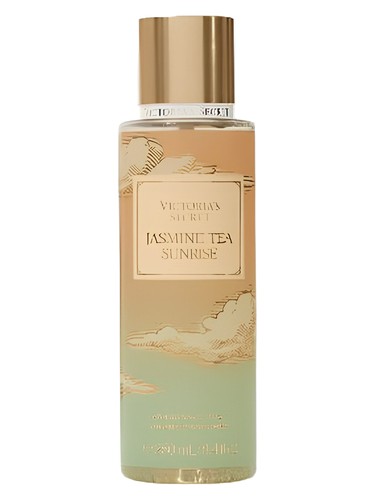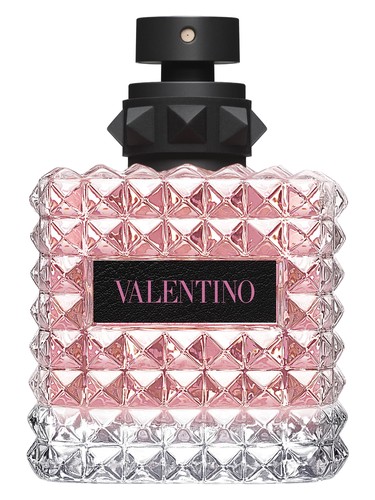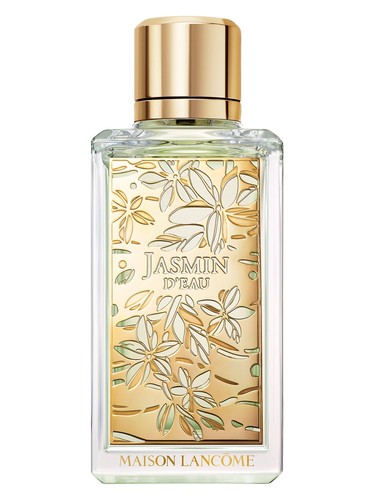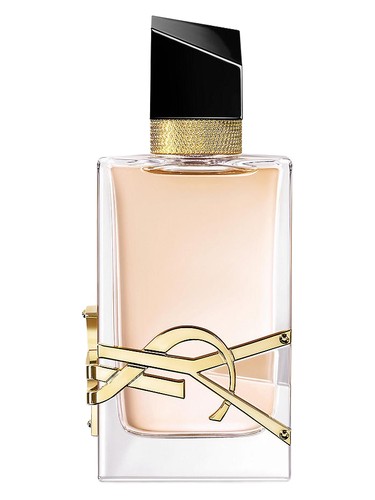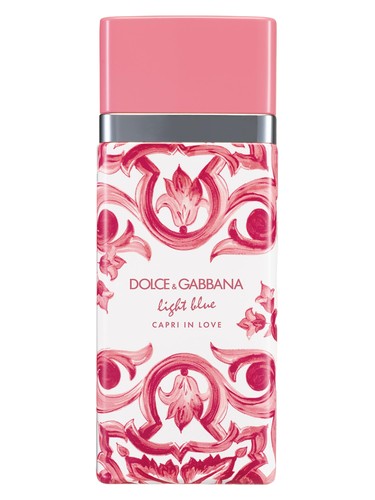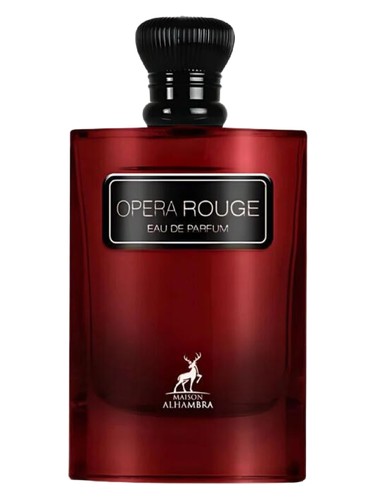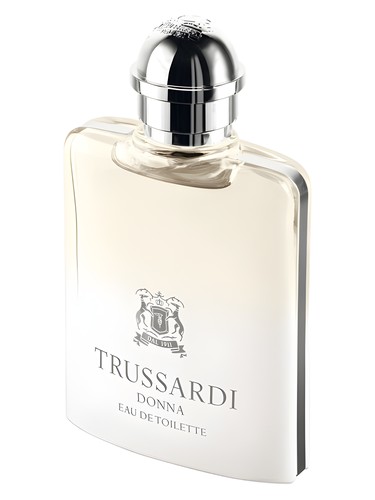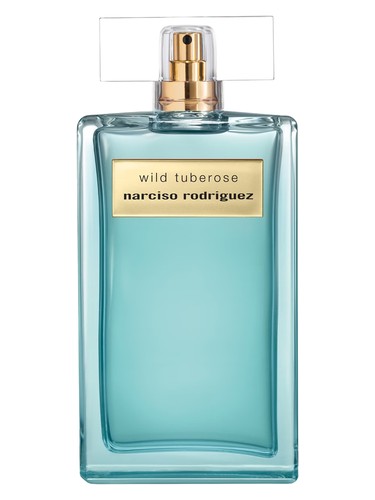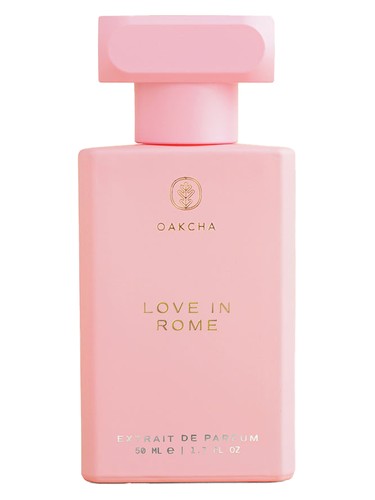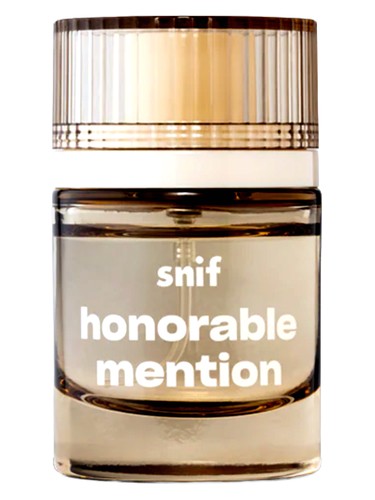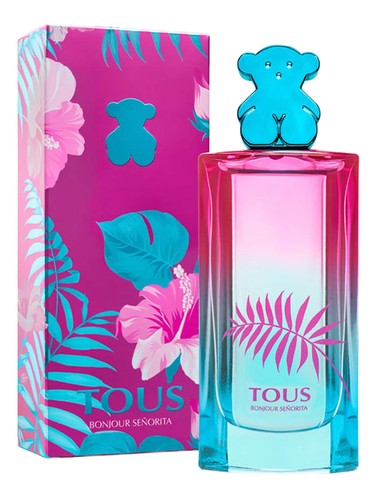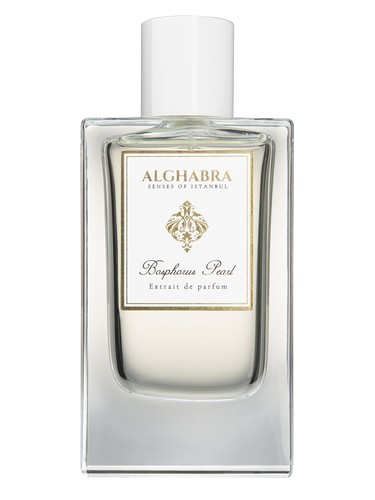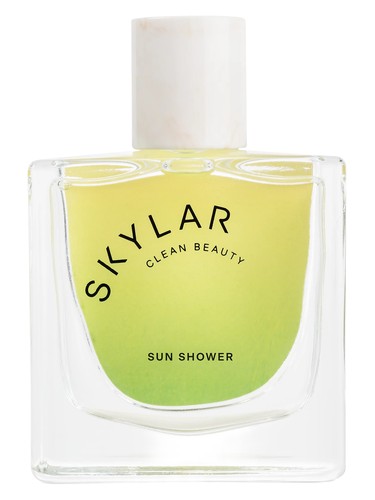


Photos: Fumikas Sagisavas, CC0
About Jasmine Tea
What it is
Jasmine tea is a perfumer's accord, not a natural oil. Brewed tea gives no usable oil, so the note is built from jasmine materials, a green tea absolute and synthetic jasmine-tea molecules to copy the scented drink.
Where it comes from
The idea comes from Chinese jasmine tea, green or white leaf scented with jasmine sambac blossoms, a practice tied to Fujian province. The perfume version is a lab interpretation of that drink rather than an extract of a single plant.
What it smells like
It opens citrus-green and airy, then turns creamy and subtly sweet with a bitter, dewy green edge. On the dry-down it softens into a light musk and powder, close to the scent of the tea after the leaves are scented.
In perfumery
Perfumers use it to give a floral heart a clean, tea-like lift and a green, slightly bitter edge. Hedione is often the transparent core of the accord, and the note is commonly paired with bergamot, vanilla, sandalwood and musk.
Scent profile
Our read of the note, not a measurement.
Where it sits
Mostly a heart note.