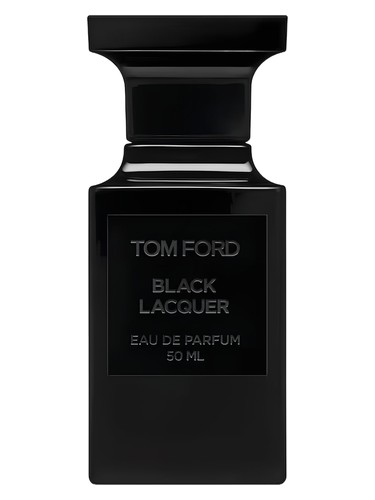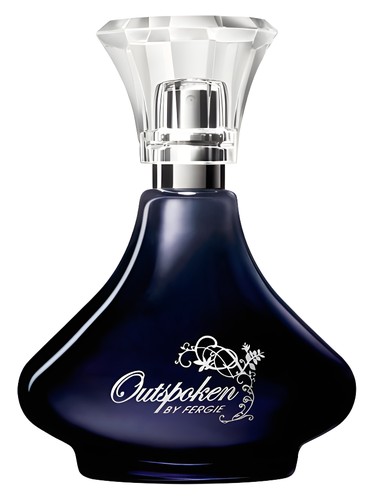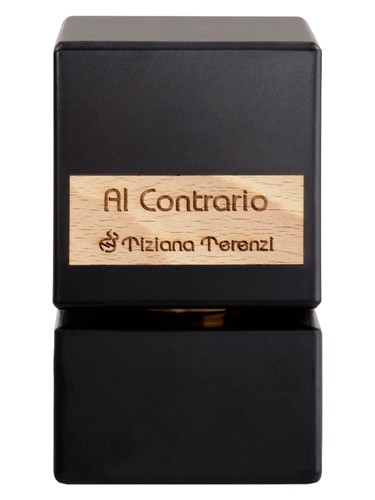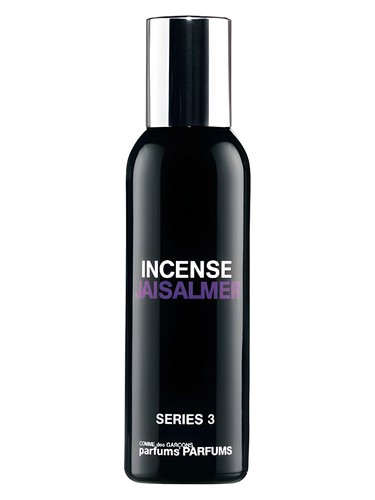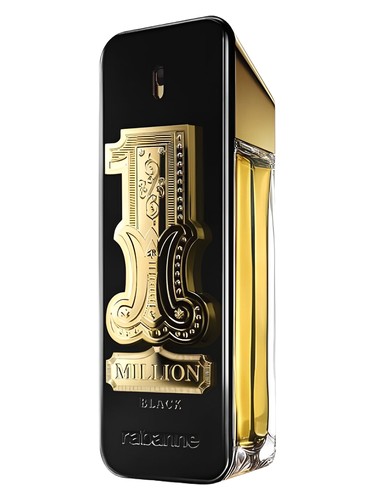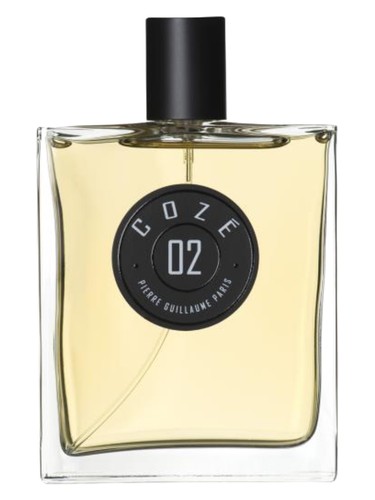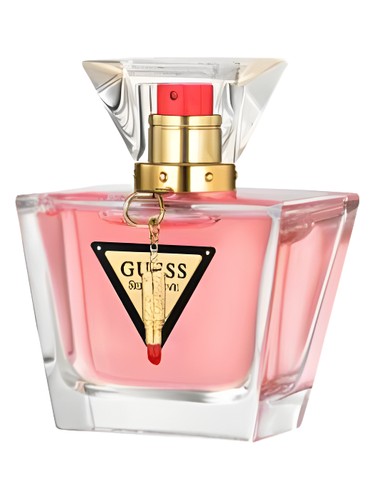

Ebony Wood
Also known as Ebony tree, Diospyros ebenum, Diospyros crassiflora
About Ebony Wood
What it is
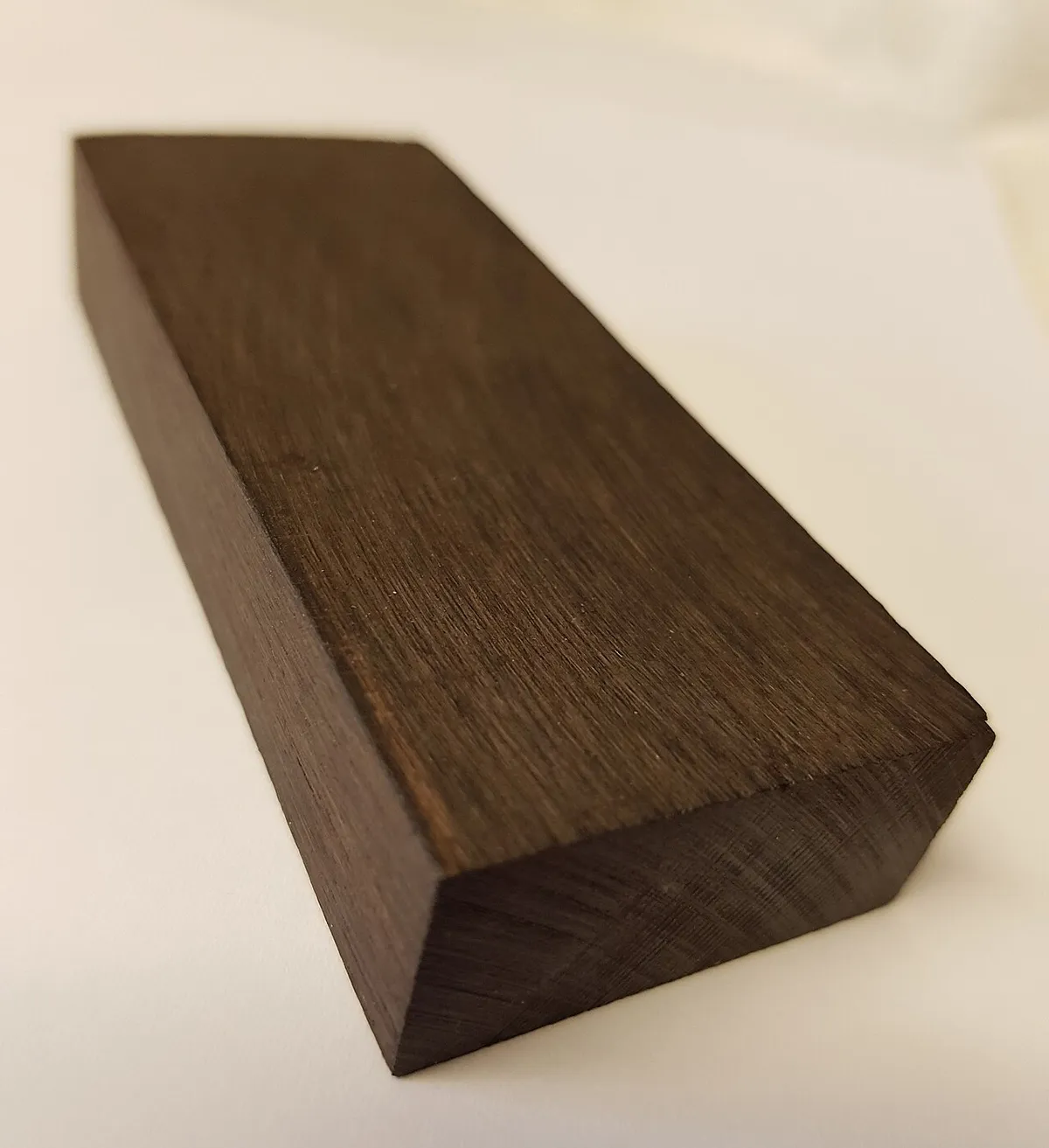
A woody accord built to suggest the dense black heartwood of Diospyros trees. No commercial essential oil is taken from ebony wood, so perfumers assemble it from synthetic molecules and natural wood extracts.
Where it comes from
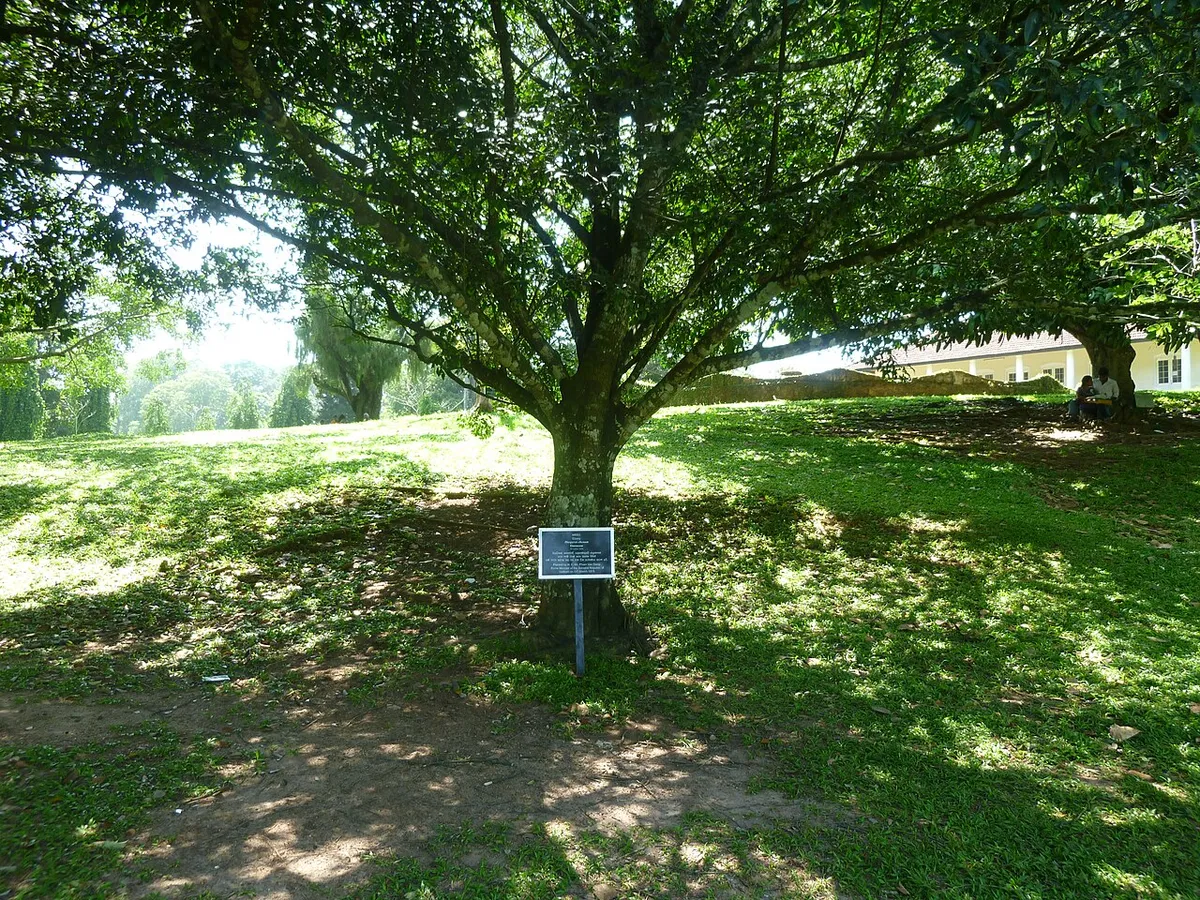
The wood it imitates comes from Ceylon ebony and African ebony, grown in Sri Lanka, India, Indonesia, Ghana and Tanzania. Ebony timber trade is restricted under CITES, which is one reason the note is rebuilt rather than extracted.
What it smells like
Dark, dry and polished, like black hardwood. It is smoky and slightly resinous, with a faint leathery edge. As it settles it turns nutty, balsamic and earthy rather than sweet or creamy.
In perfumery
Perfumers use it to give a base a dense, dry, dark wood depth that differs from cedar or sandalwood. It is often paired with sandalwood, patchouli, musk, vanilla and tonka bean, which soften its dry edge, and bergamot can lighten it.
Scent profile
Our read of the note, not a measurement.
Where it sits
Mostly a base note.