
Copaiba Balm
Also known as Copaiba balsam, Copahu balm, Copaiba oil
Photos: Itineranttrader, Public domain
About Copaiba Balm
What it is
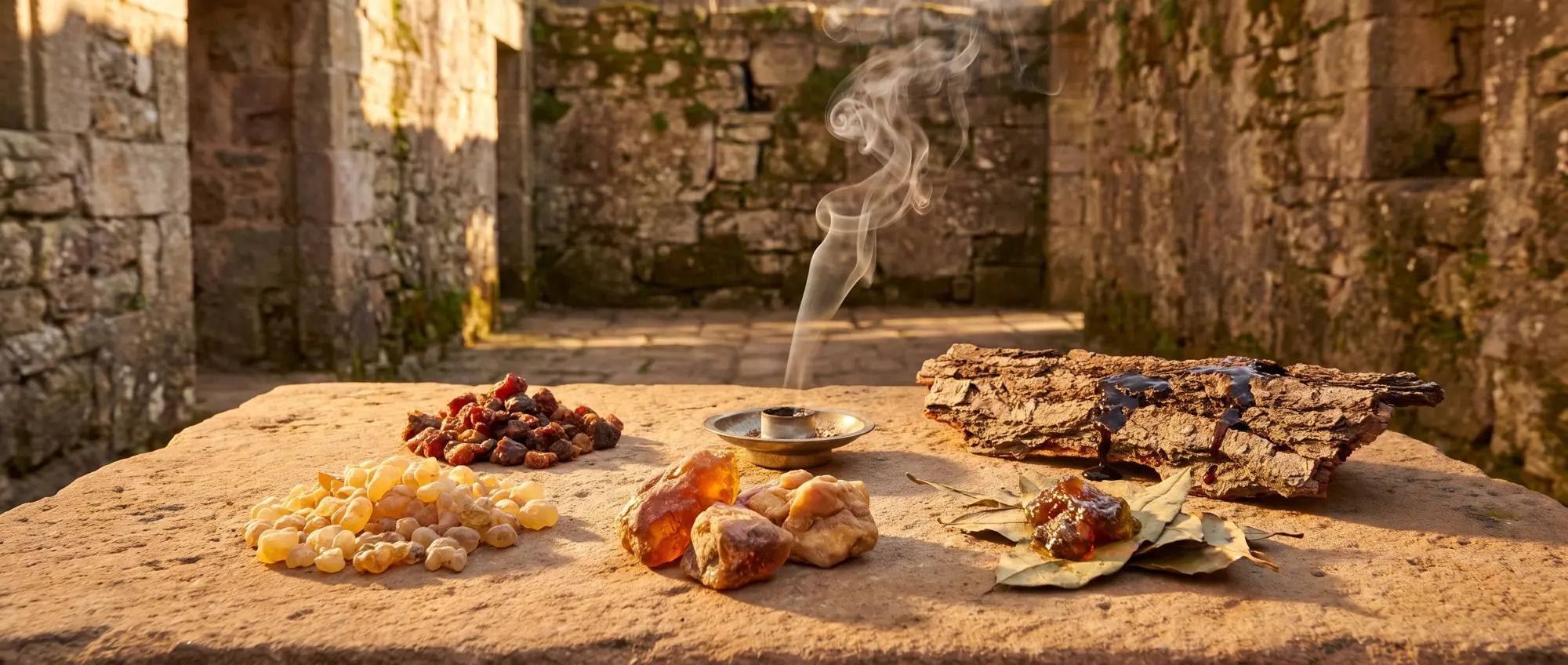
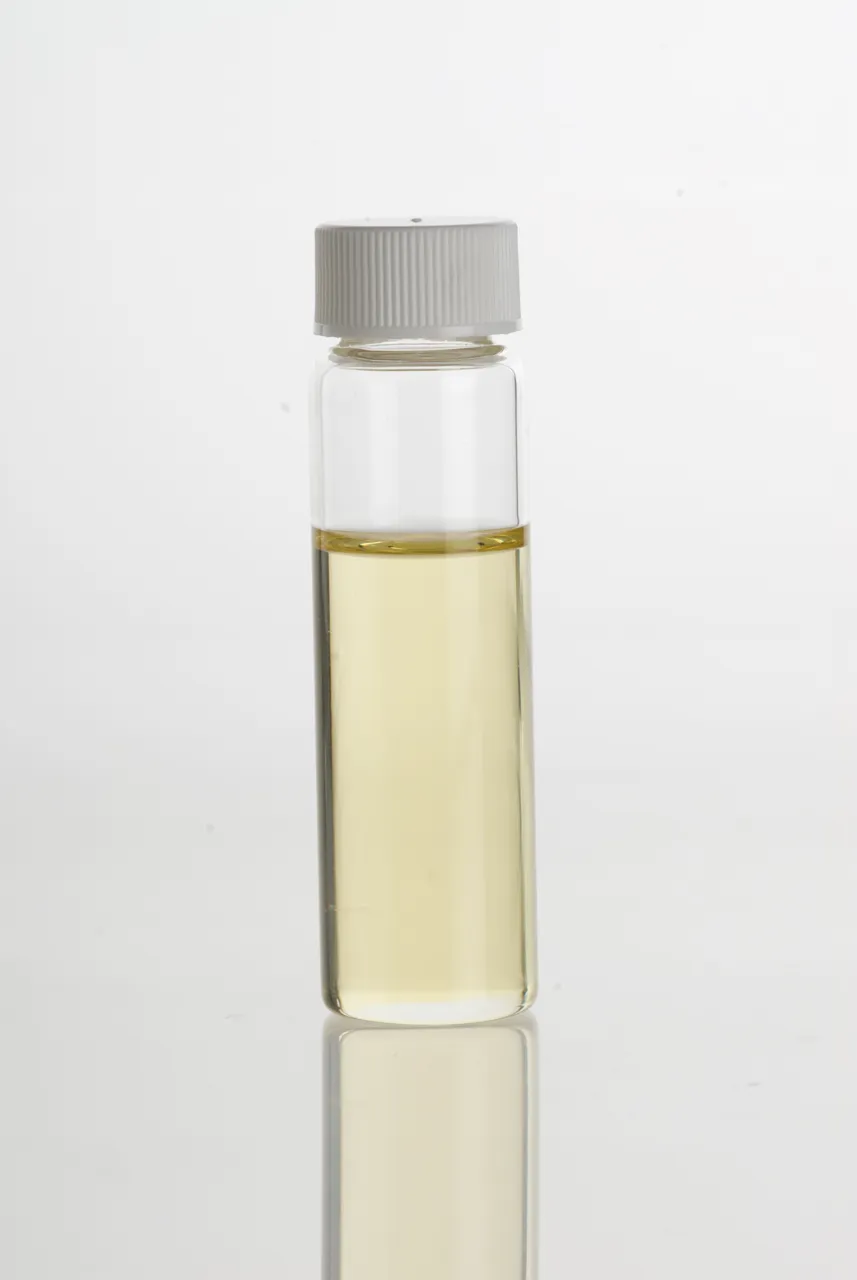
An oleoresin tapped from the trunks of Copaifera trees. In perfumery it is used as the resin itself or as an essential oil steam-distilled from it.
Where it comes from
It comes from Copaifera trees of the Amazon basin in Brazil, including Copaifera langsdorffii, Copaifera reticulata and Copaifera officinalis. Gatherers tap the trees much as maple is tapped, and the oil is distilled and rectified afterwards, for example in France.
What it smells like
Dry and woody, close to cedar, with a slight fresh edge at the start. It then turns resinous, with pine-like facets and a peppery finish. Quality varies, so two lots can smell quite different.
In perfumery
Mostly a base note, with a smaller share in the heart and top. It works as a low-cost fixative and adds a soft, dry woody resin to amber, woody and oriental accords. It is often paired with sandalwood, cedar, amber, labdanum and vanilla.
Scent profile
Our read of the note, not a measurement.
Where it sits
Mostly a base note.