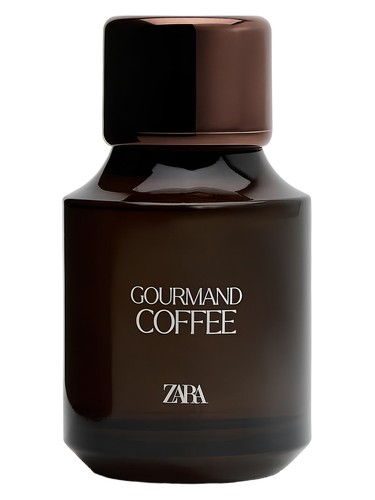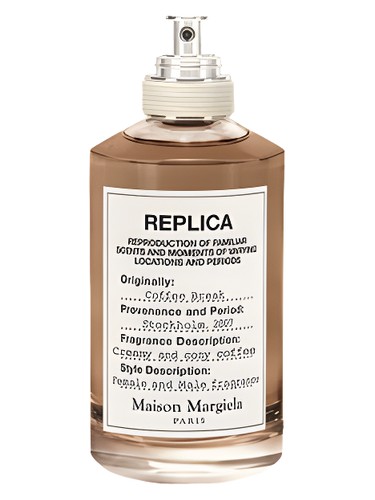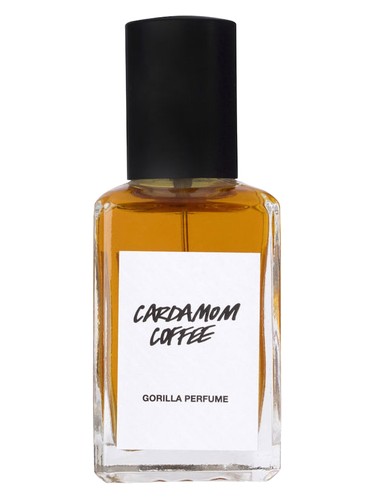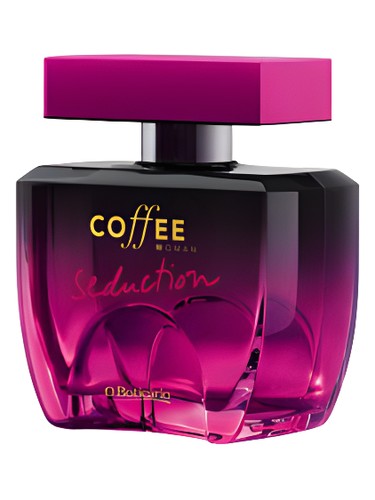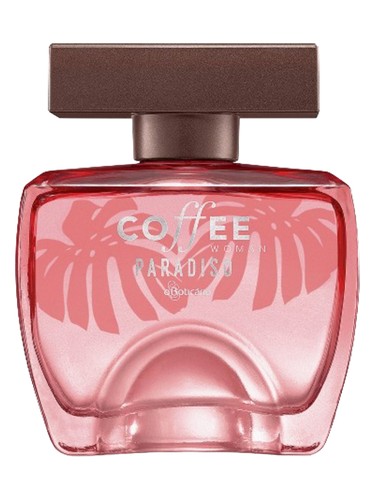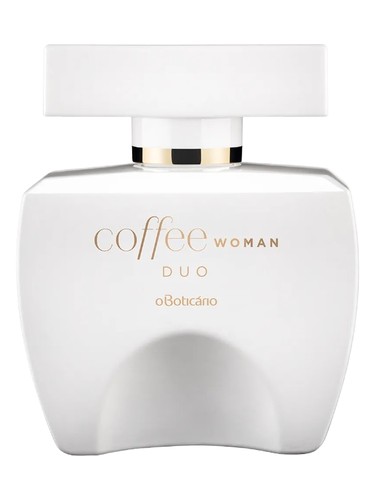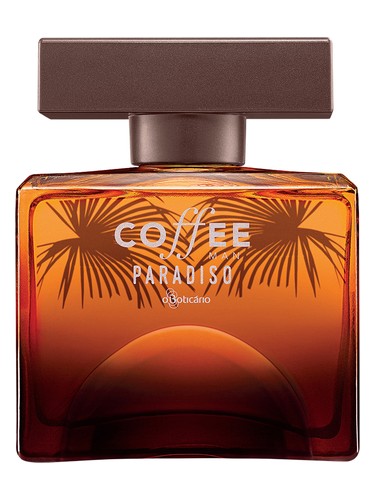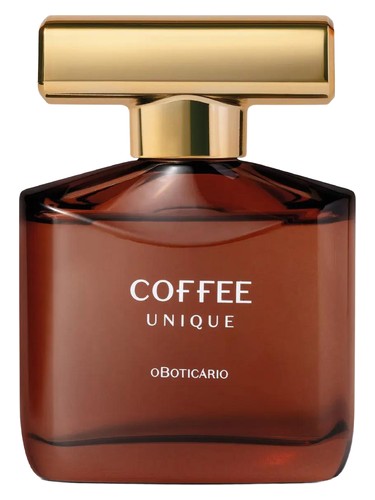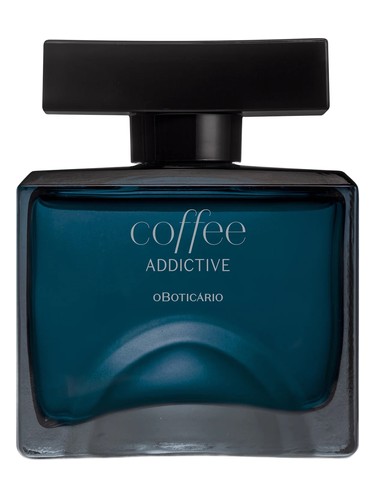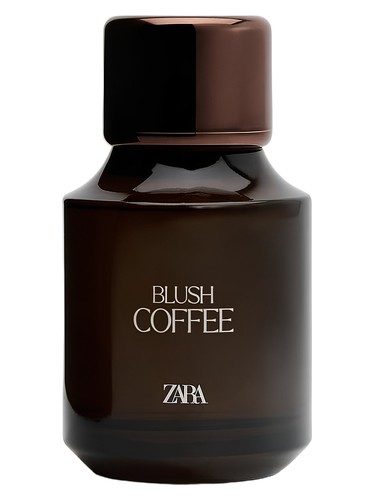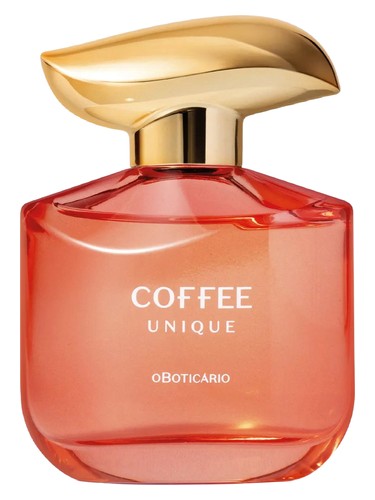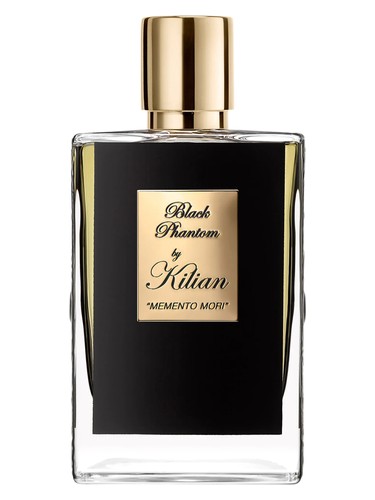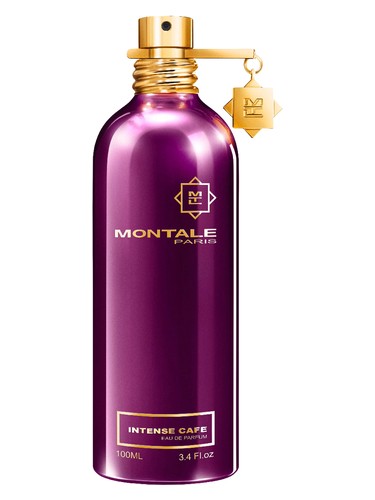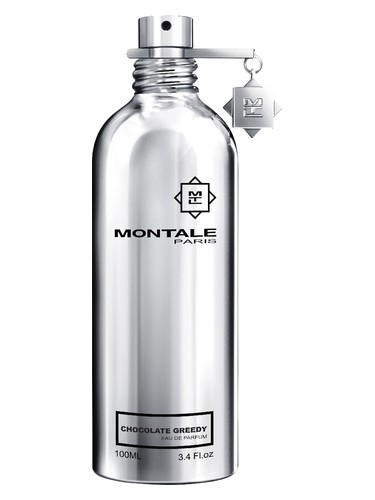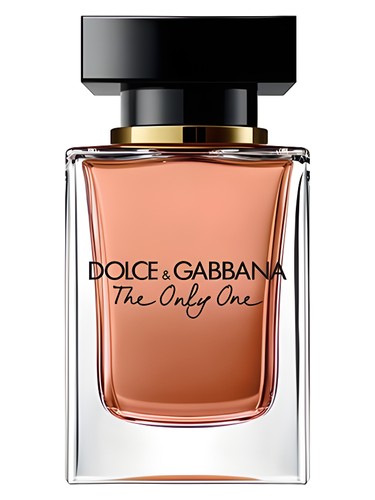

Coffee
Also known as Arabica coffee, Coffea arabica, Coffee absolute
About Coffee
What it is
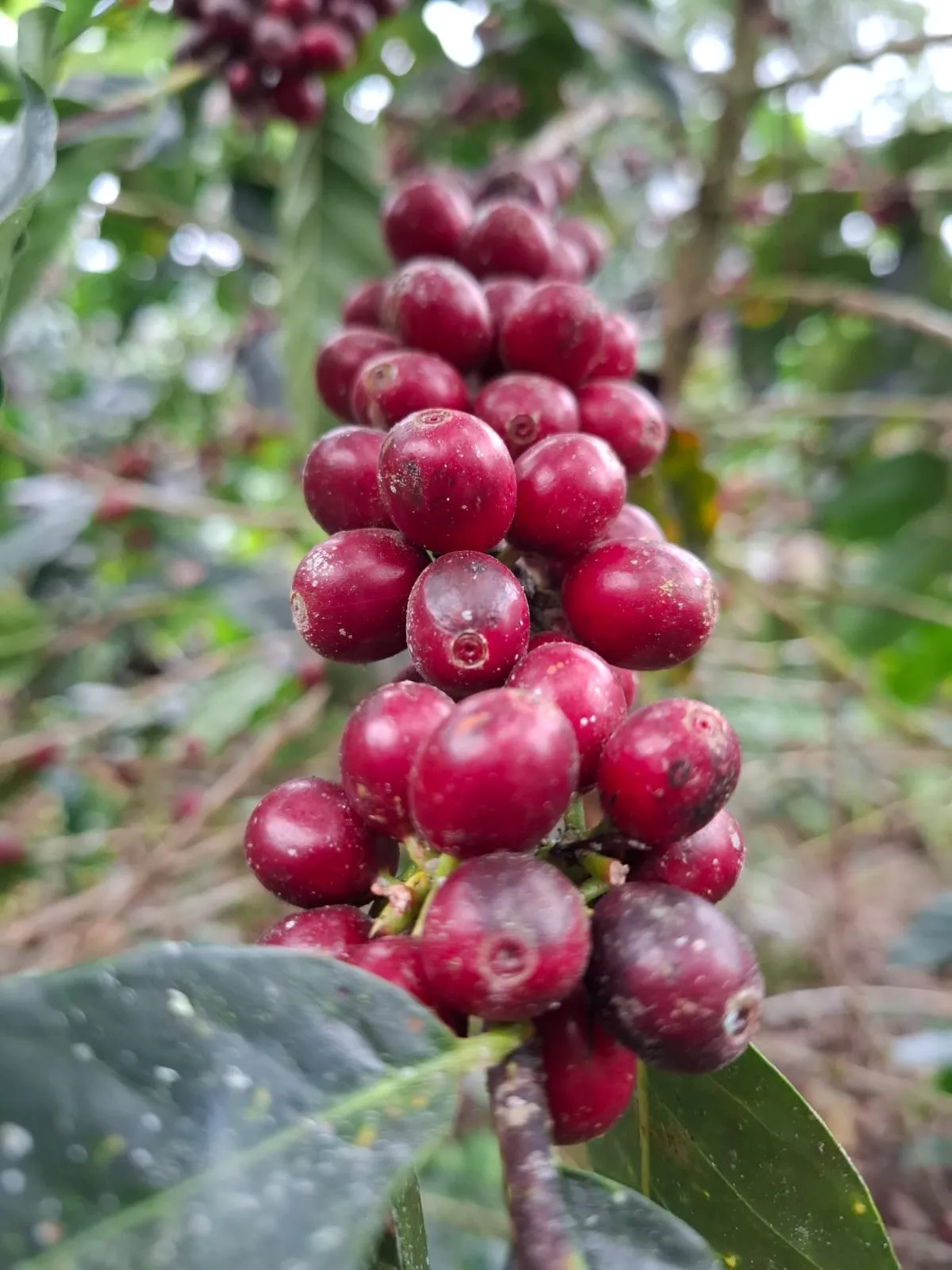
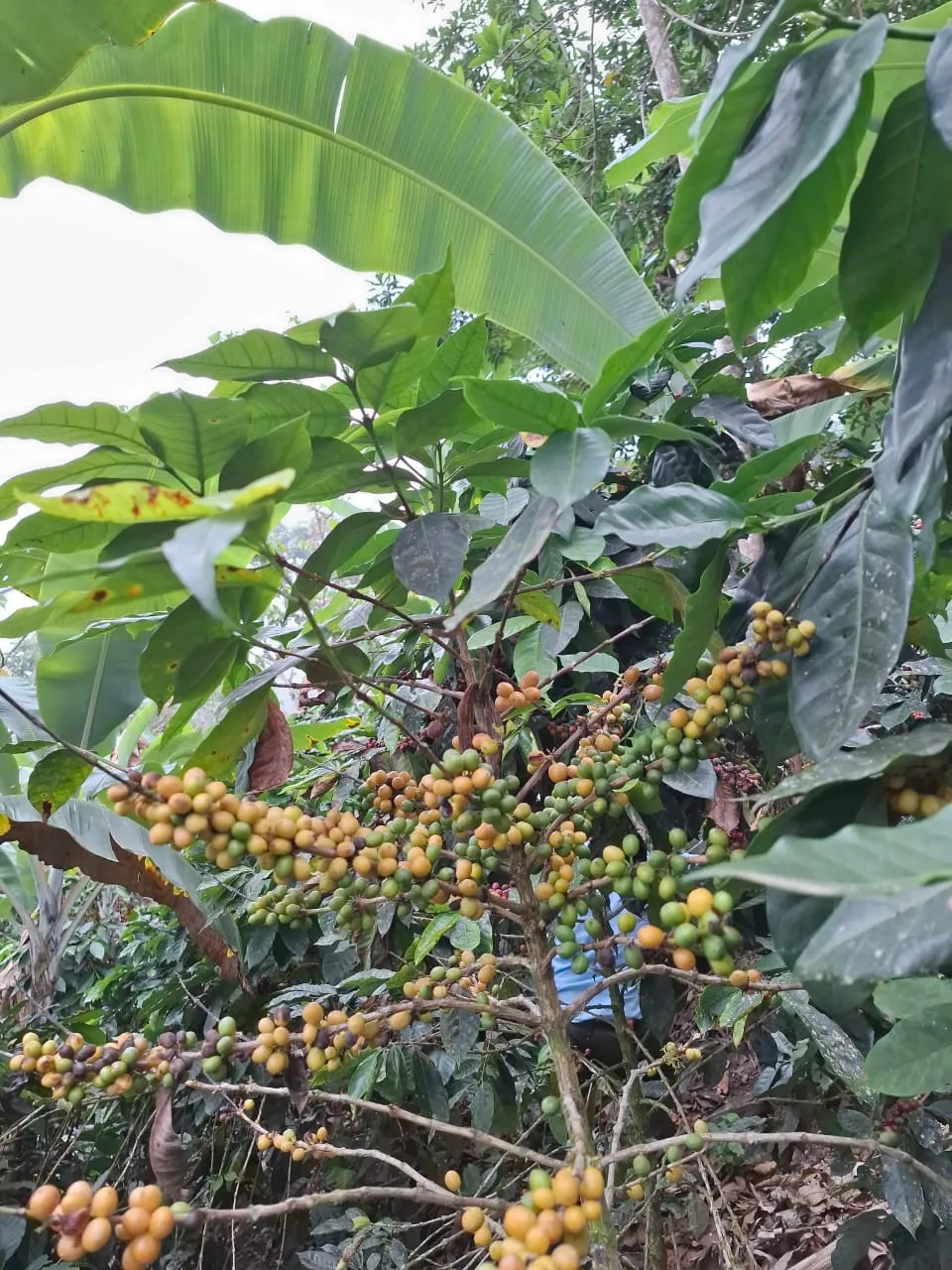
A natural extract of roasted coffee beans, usually from Coffea arabica. It is made either as a solvent absolute, which is a thick, dark liquid, or as a supercritical CO2 extract.
Where it comes from
The beans come from coffee-growing countries such as El Salvador, Colombia, Vietnam and parts of West Africa. The plant itself is native to Ethiopia.
What it smells like
It opens green and sharp, like freshly crushed beans. Within hours it turns warm and toasty, with chocolate and slightly burnt touches. On a dry-down it becomes drier and woodier, with cereal, balsamic and vanilla-like tones.
In perfumery
Perfumers use it to give gourmand and amber accords a real roasted depth. It is often paired with vanilla, tonka bean, patchouli and musk, and with jasmine or bergamot for contrast. It dissolves poorly, so it takes care to work into a formula.
Scent profile
Our read of the note, not a measurement.
Where it sits
Found across all three layers.
Kinds of Coffee
Cleaner and more focused than the absolute, and close to freshly ground coffee.
Coffee Co2 page