
About Chalk
What it is
Chalk in perfumery is a composed accord, not an extract. The mineral itself, calcium carbonate, has almost no odor, so the dry, dusty effect comes from blended aroma materials that are meant to suggest it.
Where it comes from
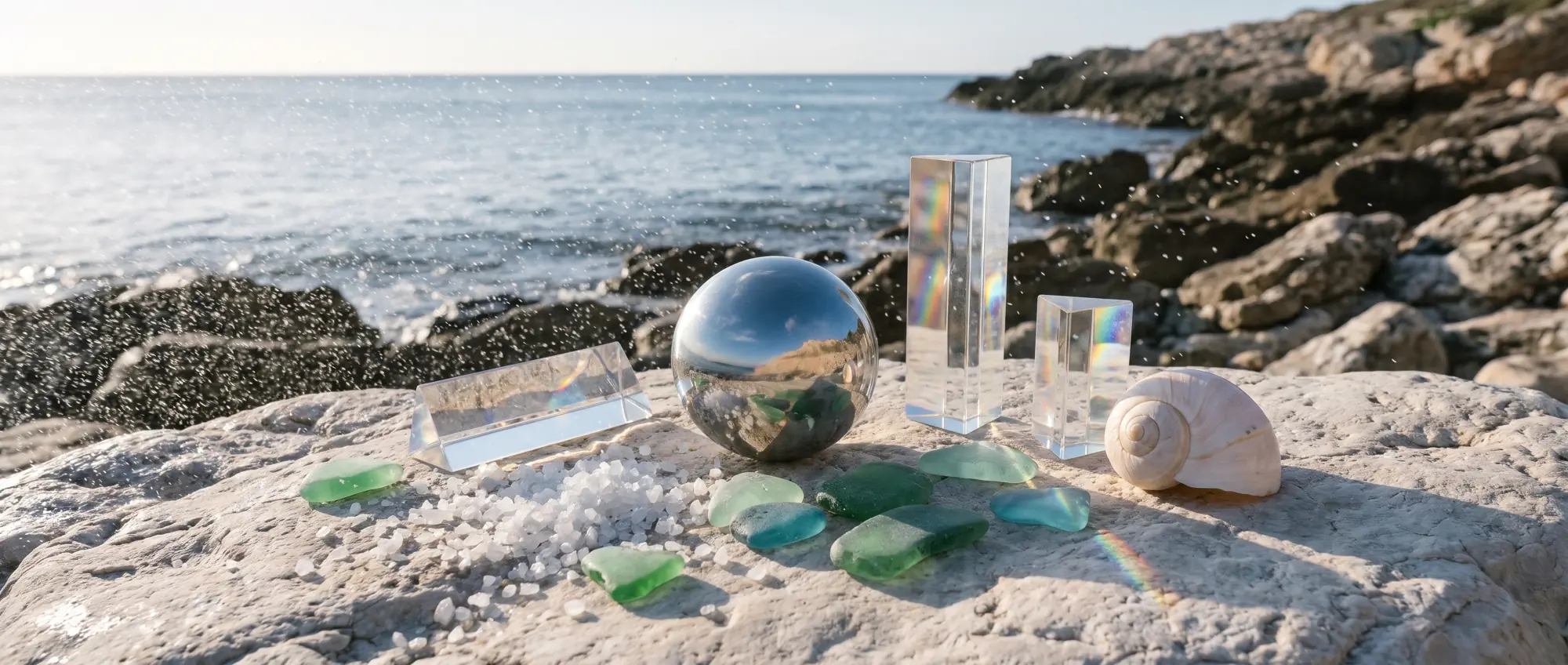
The effect copies chalk, a soft white sedimentary rock of calcite. In Western Europe it formed from the hard shells of plankton on an ancient sea floor, roughly 100 to 61 million years ago.
What it smells like
The first impression is dry and powdery, like chalk dust on a fingertip. It has a faint alkaline sweetness and calls up school blackboards and white cliffs. In a finished blend it turns softer and cleaner over time.
In perfumery
Perfumers use the chalk accord to add a dry, mineral, powdery layer that keeps a blend from smelling heavy. It is often paired with musk and iris, where it gives the clean powdery sheen of those materials a stony edge.
Scent profile
Our read of the note, not a measurement.