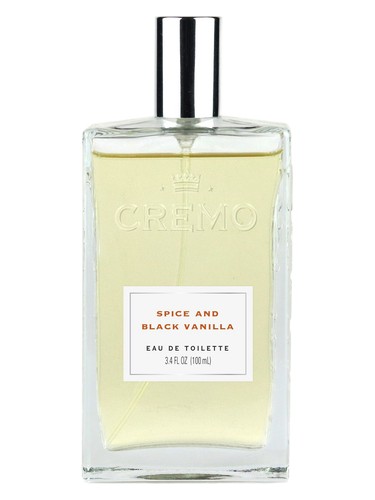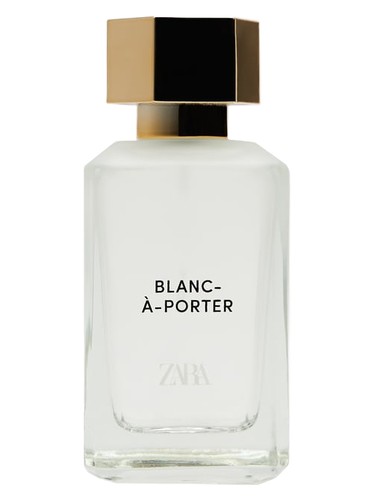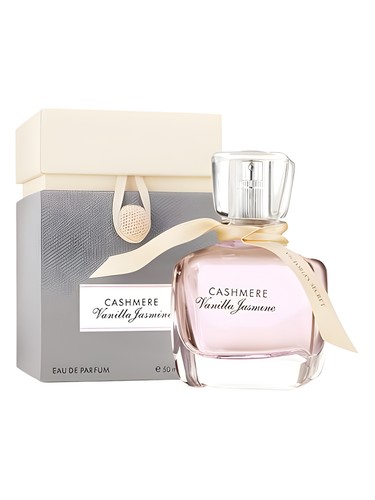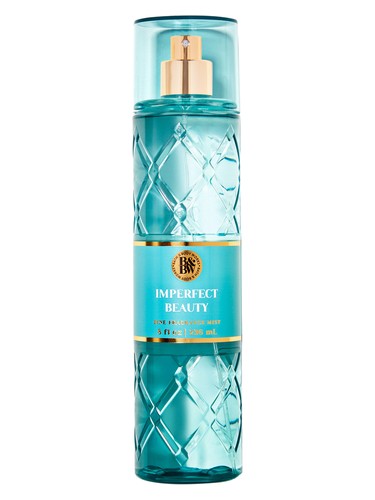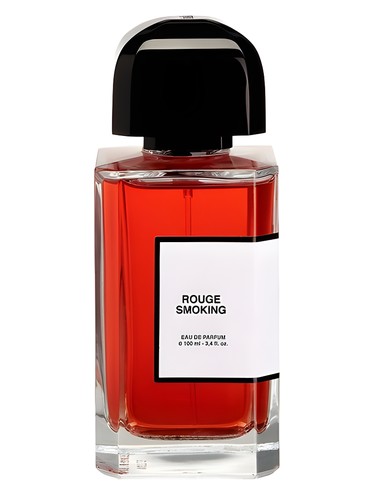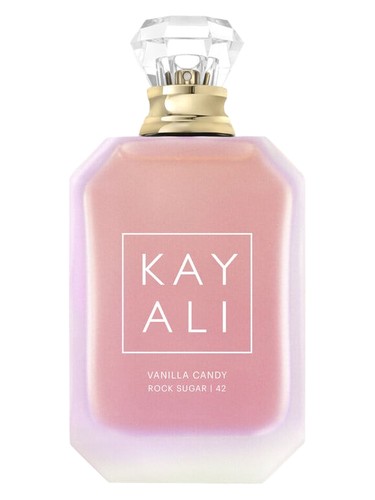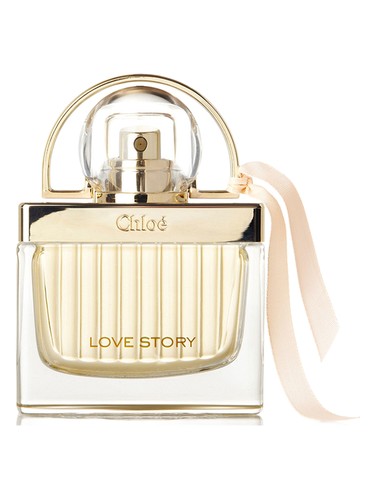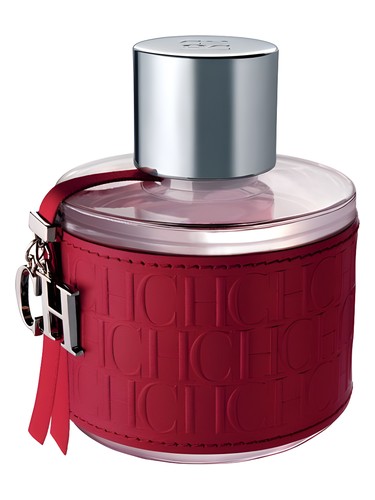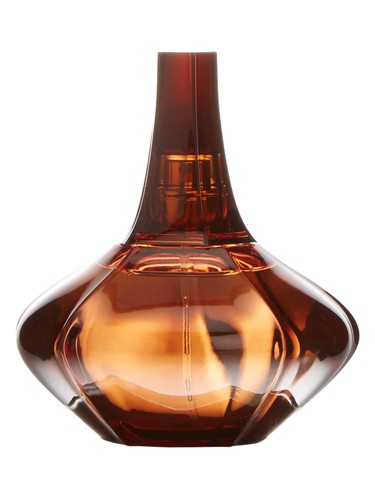

Cashmere Wood
Also known as Cashmeran, Cashmir wood, Cashmere musk
About Cashmere Wood
What it is
A synthetic aroma molecule sold under the name cashmeran. "Cashmere wood" is a marketing name for it, and it contains no wood or wool.
Where it comes from
Developed at IFF by the chemist John Hall in the 1960s or 1970s. It has no natural counterpart, and other fragrance houses now make versions of it.
What it smells like
Warm, soft and woody, with a musky, velvety feel that suggests a cashmere jumper on skin. Under that sit a faint spice, a powdery, creamy touch and a hint of dried fruit and conifer. It dries down to a smooth, slightly salty, skin-like warmth.
In perfumery
Perfumers use it mainly to give the base warmth, a plush texture and staying power, usually at low levels. It sits well with musk, vanilla, amber, sandalwood and patchouli, and it softens floral hearts such as jasmine.
Scent profile
Our read of the note, not a measurement.
Where it sits
Mostly a base note.