
Calamansi
Also known as Calamondin, Calamanzi, Philippine lime, Philippine lemon, Citrus × microcarpa
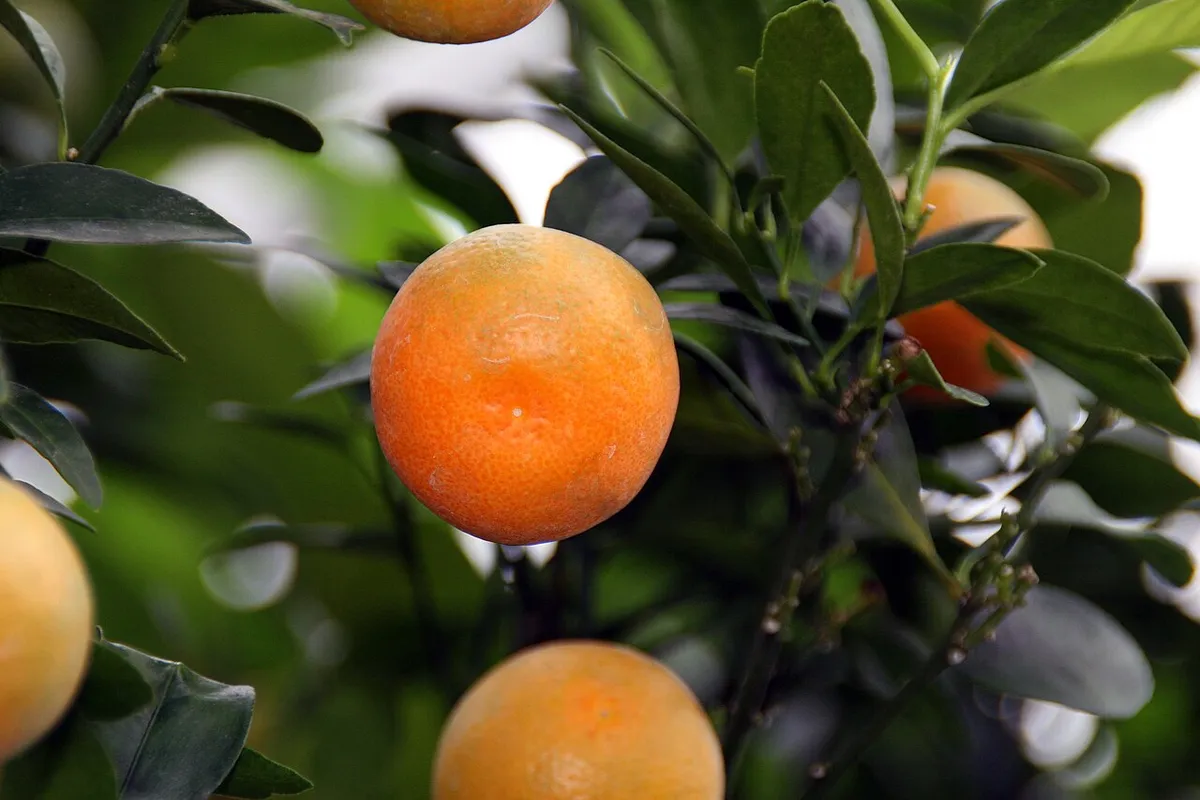
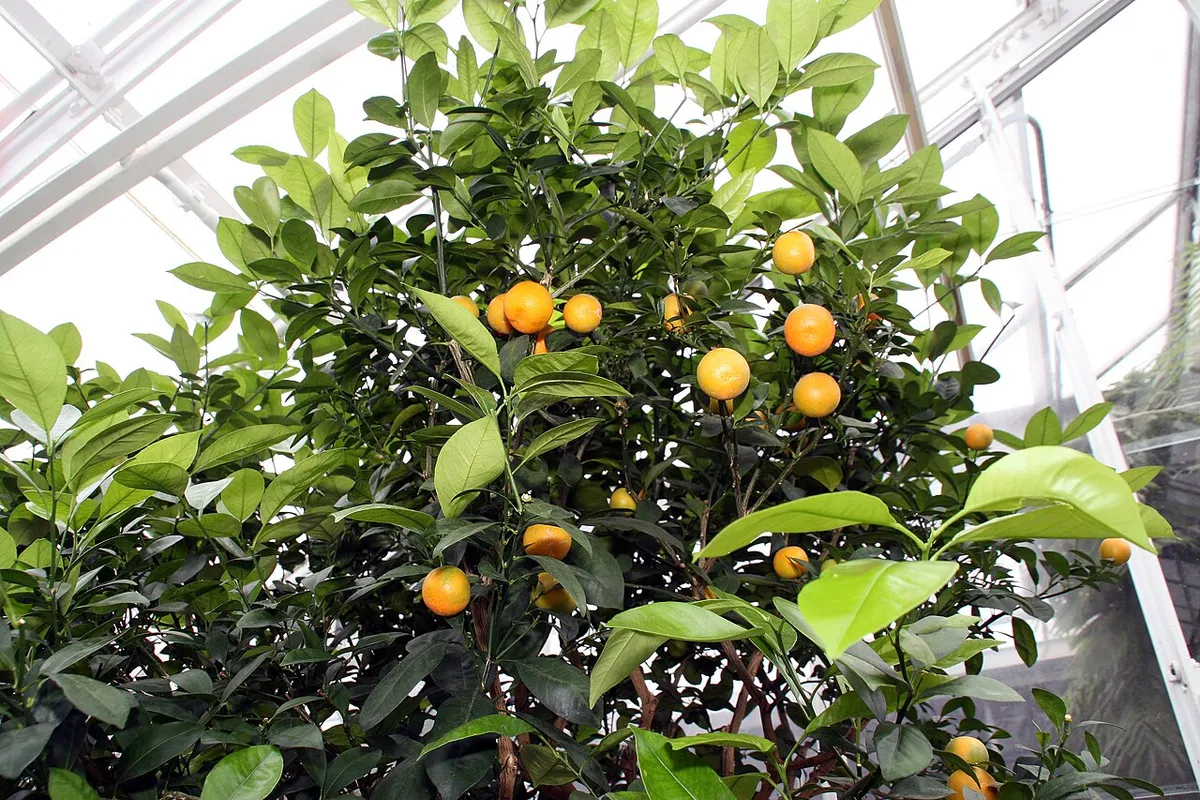
Photos: Photo by David J. Stang, CC BY-SA 4.0 (photo 1, photo 2)
About Calamansi
What it is
A cold-pressed essential oil from the peel of the calamansi fruit, a small citrus fruit grown on a shrub-sized tree. The oil is pressed rather than distilled, and it is mostly limonene.
Where it comes from
The calamansi tree is native to the Philippines and also grows in nearby Indonesia, Malaysia and Brunei, and north to Taiwan and southern China. The Philippines is its main producer. The fruit is probably a cross between kumquat and mandarin.
What it smells like
Sharp, tart and bitter, like a mix of mandarin and kumquat peel with a green edge. The first impression is bright and puckering, and it fades quickly into a thinner citrus trace.
In perfumery
Perfumers use it for a sharp, sparkling citrus lift at the start of a composition. It is rarely used in fine fragrance, and it is usually paired with citron, bergamot, amber, cypress and vetiver.
Scent profile
Our read of the note, not a measurement.
Where it sits
Mostly a top note.