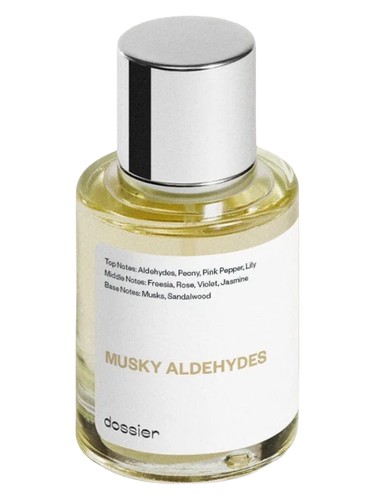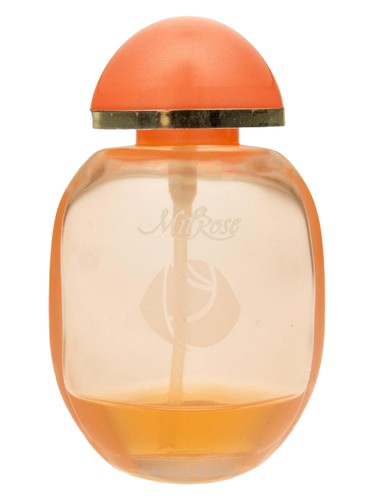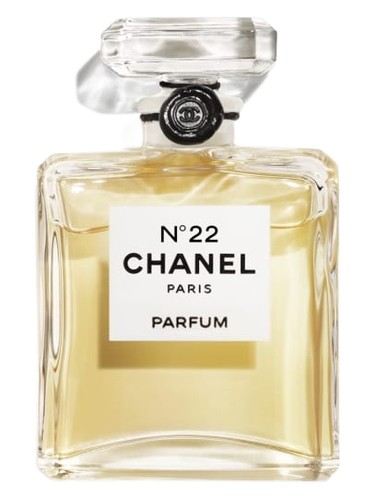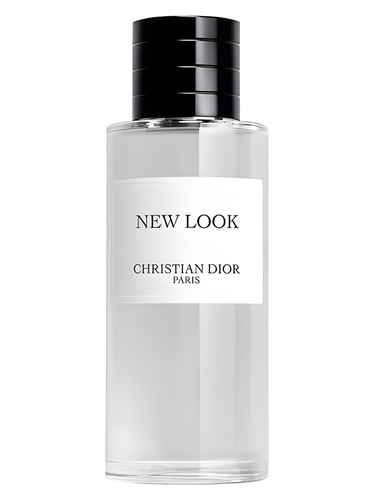

Aldehydes
Also known as Aldehydic note, Fatty aldehydes, Aliphatic aldehydes
About Aldehydes
What it is
A group of aroma molecules that share the R-CH=O chemical structure. In perfumery the word usually means the fatty, straight-chain aldehydes of about eight to twelve carbons, such as decanal and dodecanal, plus 2-methylundecanal (C-12 MNA).
Where it comes from
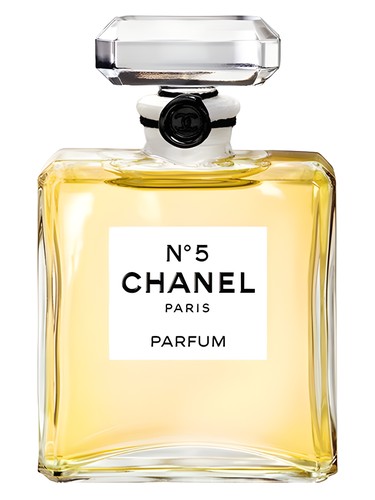
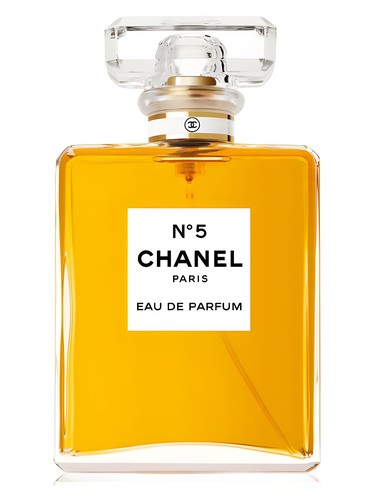
Traces occur naturally in citrus, coriander and rose oils. The perfumery materials are made industrially, mainly by hydroformylation. Georges Darzens first made 2-methylundecanal in 1904, and aldehydes became widely known in perfume in the early 1920s.
What it smells like
Sparkling, fizzy and clean, like soap, white linen and lemon peel. Some have a waxy, slightly metallic edge. Shorter chains smell sharp, and longer ones turn waxy and softer, and 2-methylundecanal leaves a dry, amber-like trace.
In perfumery
Perfumers mostly use them in the top, where they add lift, brightness and diffusion to a blend. They can reach into the heart and sit over florals. They are often paired with rose, jasmine, bergamot, sandalwood, musk and amber.
Scent profile
Our read of the note, not a measurement.
Where it sits
Mostly a top note.