
Terebinth Tree
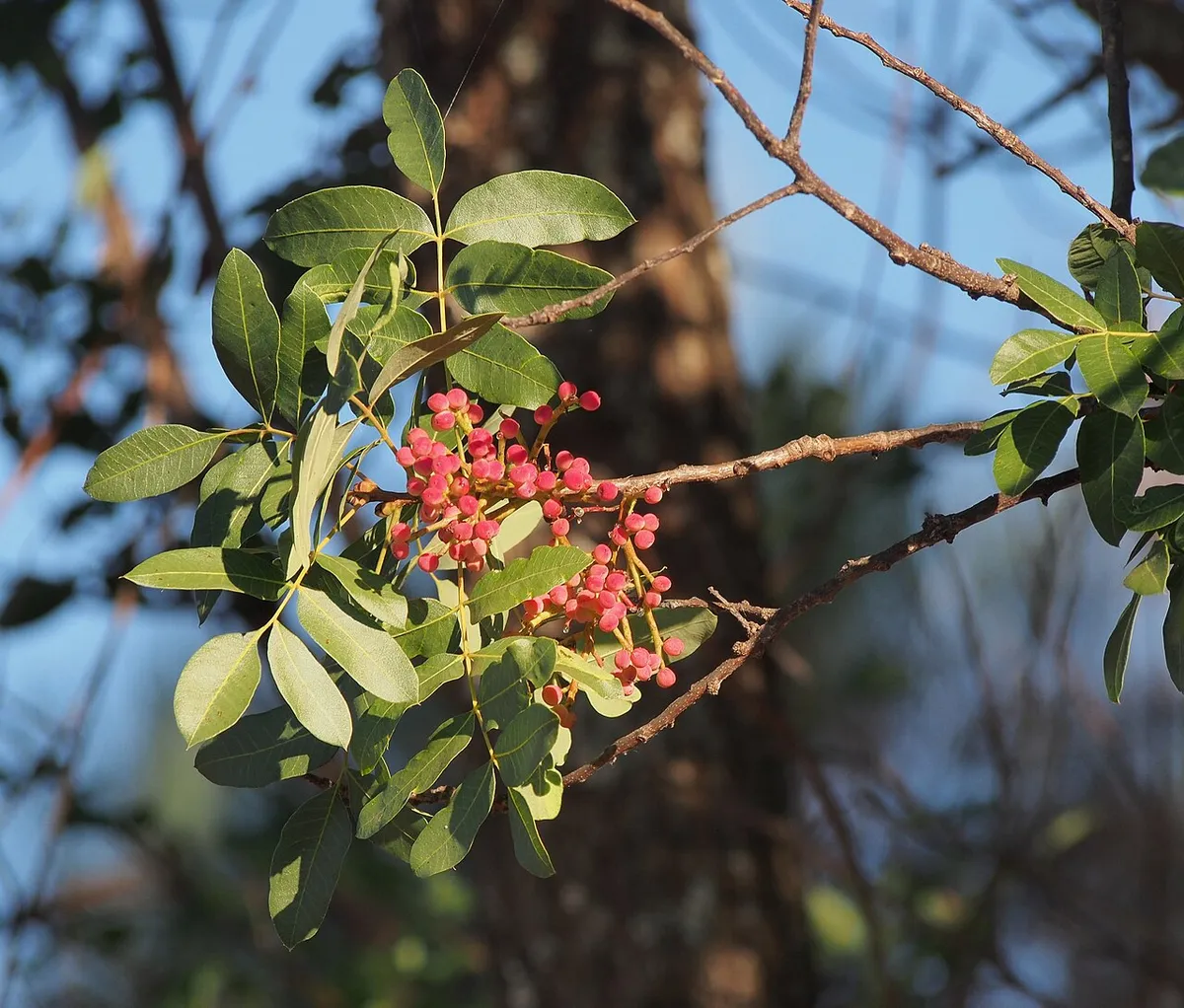
Also known as Pistacia terebinthus, Terebinth
About Terebinth Tree
What it is
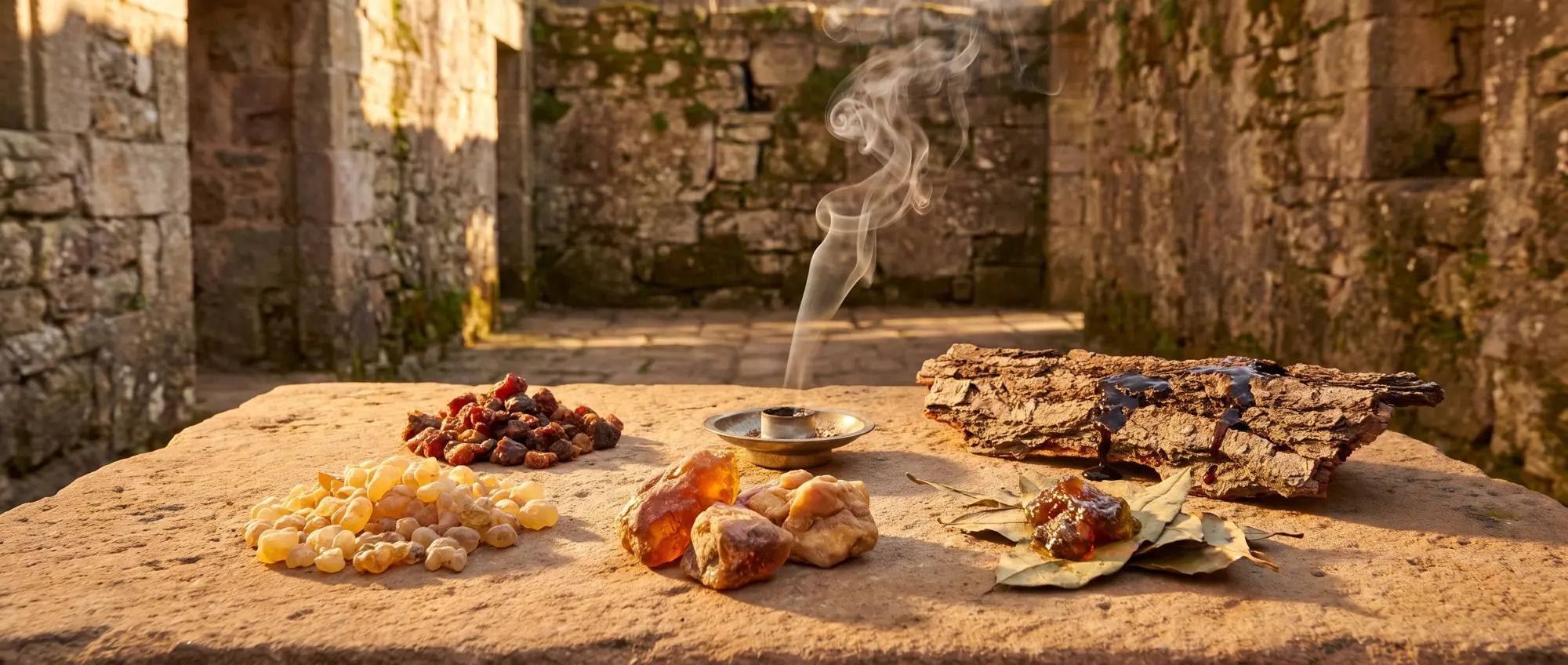
The terebinth tree gives two raw materials: an essential oil steam distilled from its leaves and galls, and a resin taken from incised bark that hardens on exposure to air. The galls are insect-induced growths on the tree and also yield oil.
Where it comes from
Pistacia terebinthus is native to the Mediterranean, from Morocco and Portugal to Greece and Turkey. It grows in dry scrub such as garrigue and maquis, and prefers damp ground up to about 600 metres.
What it smells like
The first impression is sharp and resinous, with a turpentine-like edge from its pinene content. After a few hours it turns bitter and medicinal, and after several days it settles into a mildly sweet, resinous warmth.
In perfumery
Perfumers use it as a modifier and blender that adds resinous body and volume to classic and Mediterranean-style compositions. It is often paired with elemi, cedar, bergamot and geranium.
Scent profile
Our read of the note, not a measurement.
Where it sits
Mostly a top note.