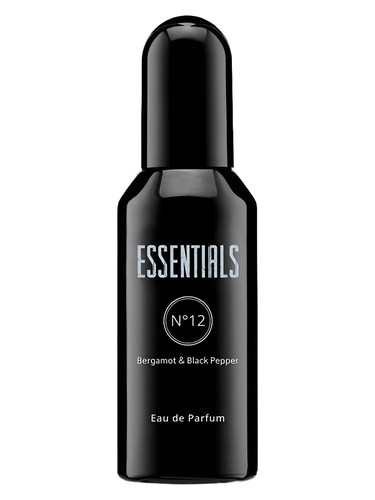


Photos: W.carter, CC0; Rocky Masum, CC BY-SA 4.0
About Fougère Accord
What it is
A fragrance accord built in the lab, not a single natural material. It is a blend of lavender, coumarin and oakmoss, often with bergamot and geranium, and it is named after the fern family of smells rather than after any fern oil.
Where it comes from
The accord took its name from Houbigant's Fougère Royale, a perfume composed by Paul Parquet in 1882. The idea of the fern-like blend spread quickly through the perfume trade after that date.
What it smells like
It opens sweet and herbal, with lavender and a sharp citrus lift from bergamot. As it settles it turns powdery and hay-like from coumarin, then dry and woody from oakmoss or its substitutes. The overall effect is clean and barbershop-like.
In perfumery
Perfumers use the fougère accord as a structure for fresh, aromatic compositions. It is often paired with bergamot, lemon, amber, musk, woody notes and almond, and it can be pushed toward aquatic, woody, fruity or floral versions by changing the supporting notes.
Scent profile
Our read of the note, not a measurement.
Where it sits
Mostly a heart note.