
Creosote Bush
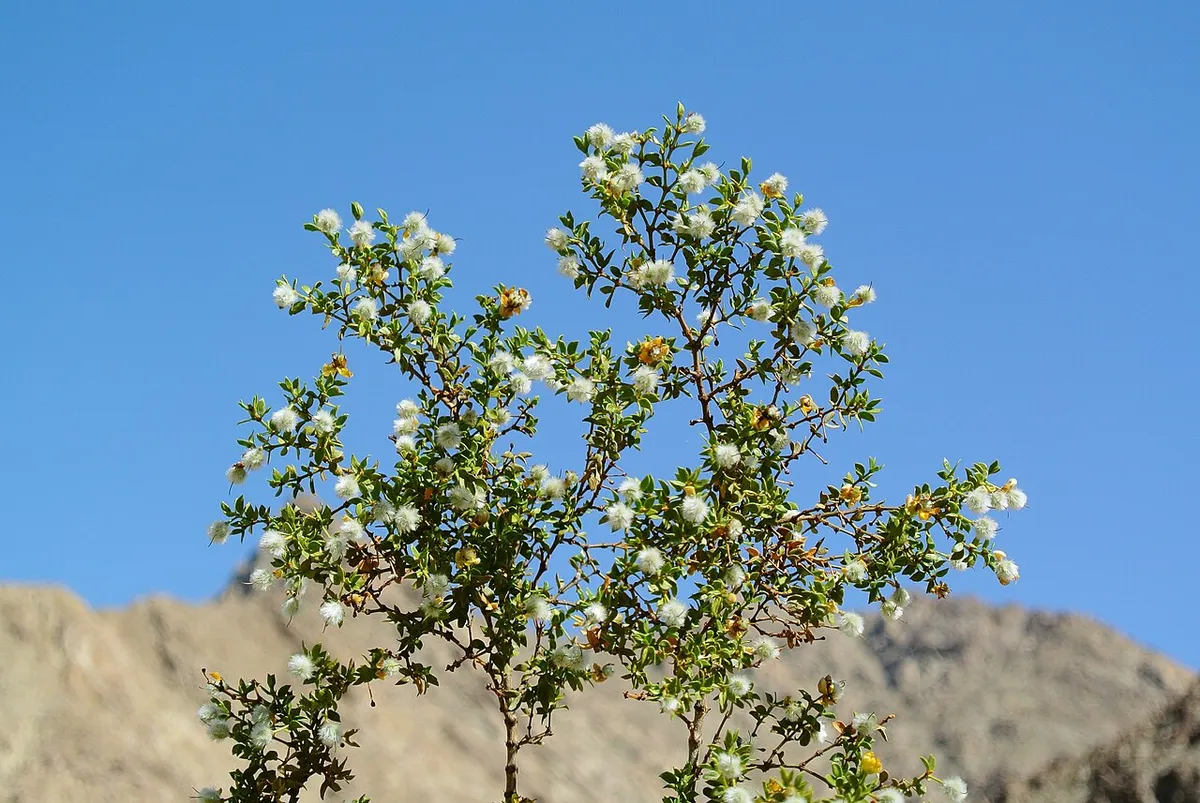
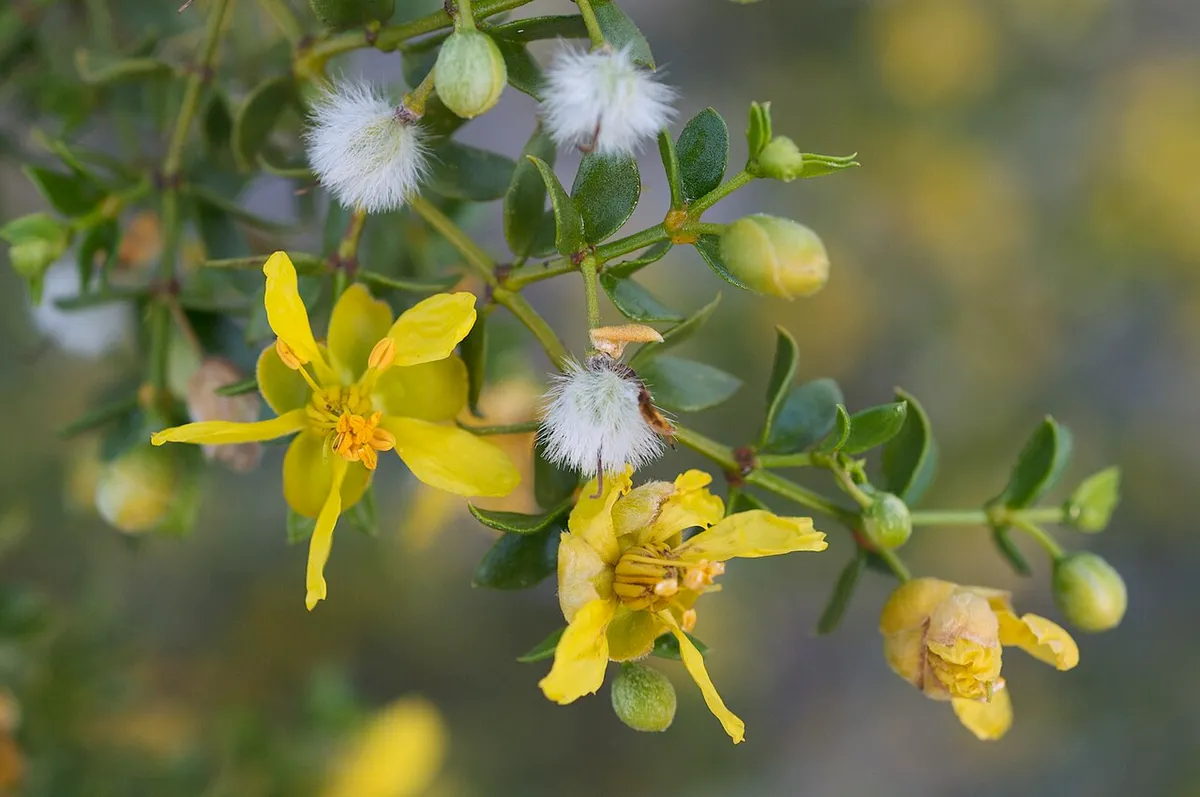
Also known as Larrea tridentata, Larrea divaricata
About Creosote Bush
What it is
An essential oil made by steam or water distillation of the dried leaves, collected when the shrub flowers. A solvent extract and an absolute are also made from the resinous leaves.
Where it comes from
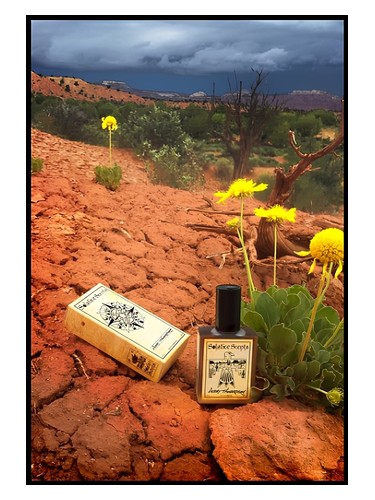
The evergreen shrub grows wild in the Mojave, Sonoran and Chihuahuan deserts of Mexico and the southwestern United States, on rocky or gravelly ground. Perfume material is taken from wild plants there.
What it smells like
It opens resinous and green, with a dry, tarry edge. Over time the smoky, phenolic side grows and the oil takes on the dusty character that gives the plant its name. The leaves smell strongest after rain, which is why the material is tied to the smell of wet desert ground.
In perfumery
Perfumers use creosote bush to suggest dry scrubland and the air just after a desert storm. It works as a modifier that adds a tarry, smoky lift to floral and woody bases. It is often set beside jasmine, musk, pine and smoke, and it blends well with cactus-like green accords.
Scent profile
Our read of the note, not a measurement.
Where it sits
Mostly a heart and base note.