

Copahu Balm
Also known as Copaiba, Copaiba balsam, Copaifera officinalis, Amazonia balm
Photos: Cataleirxs, CC BY-SA 4.0; Jonathan Wilkins, CC BY-SA 3.0
About Copahu Balm
What it is
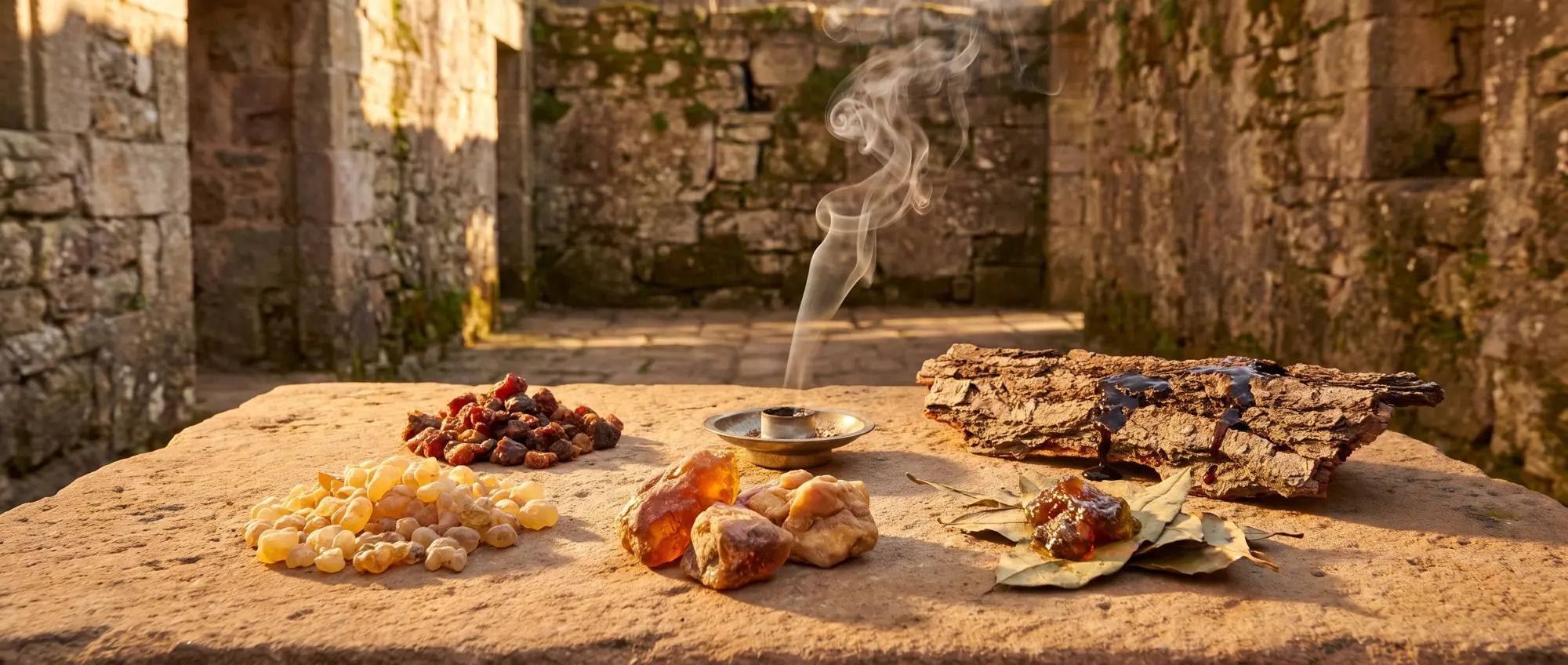
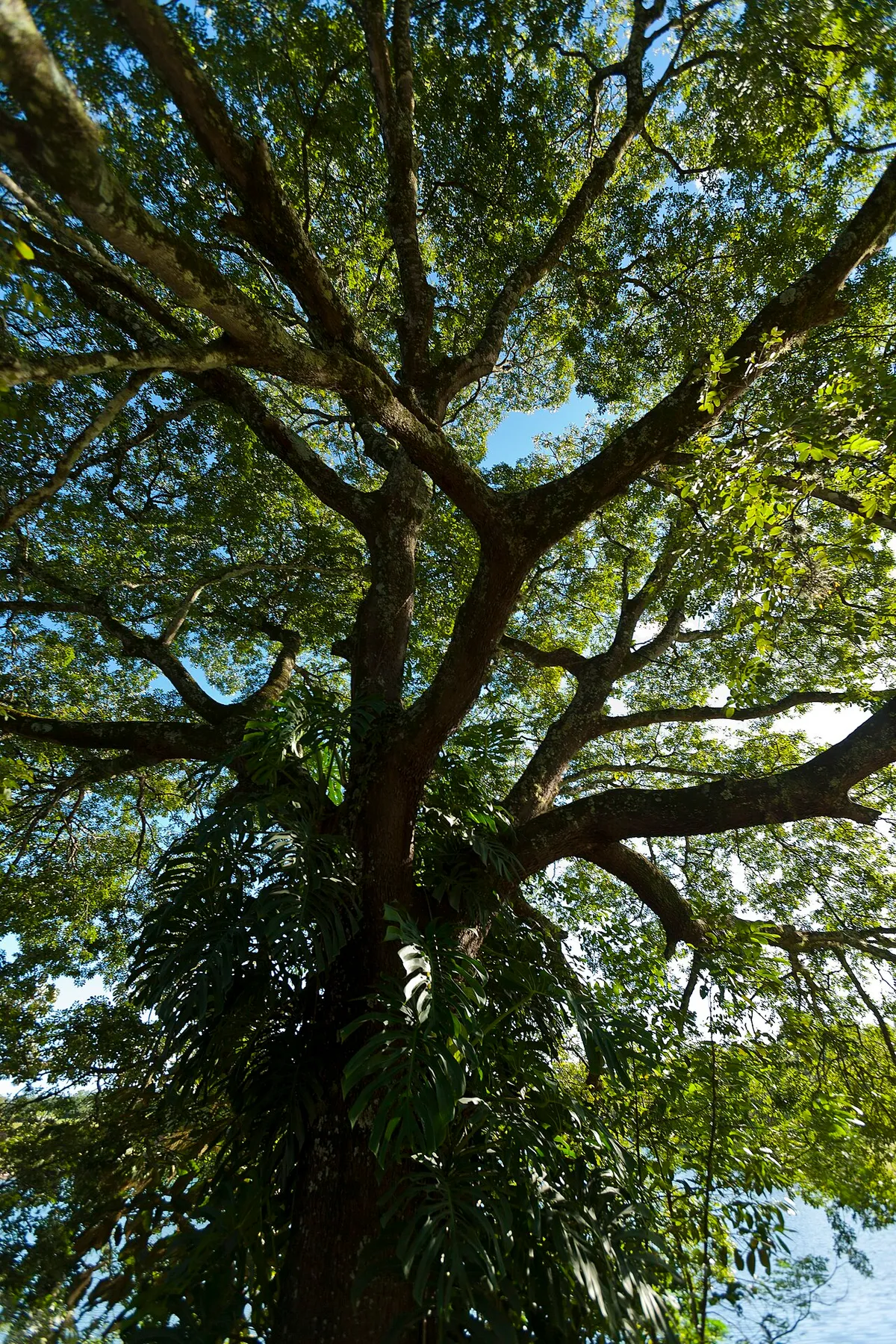
A balsam, or the essential oil distilled from it, taken from the trunk of Copaifera trees, mainly Copaifera officinalis. The tree is cut and the thin resin runs out, then it is steam distilled.
Where it comes from
The trees are native to South America, and the name comes from the Tupi language of Brazil. Raw material is gathered in Brazil, and some producers rectify the oil in France.
What it smells like
Soft, woody and balsamic, with a mild peppery, resinous edge. Some describe a clean, dry warmth like pale driftwood. Its character shifts a little with species and origin.
In perfumery
Mostly a base note and fixative, with some presence in the heart and a little at the top. It adds soft woody warmth and helps recreate sandalwood accords. It is often paired with rose, sandalwood, patchouli, amber and vetiver in oriental and woody blends.
Scent profile
Our read of the note, not a measurement.
Where it sits
Mostly a heart and base note.