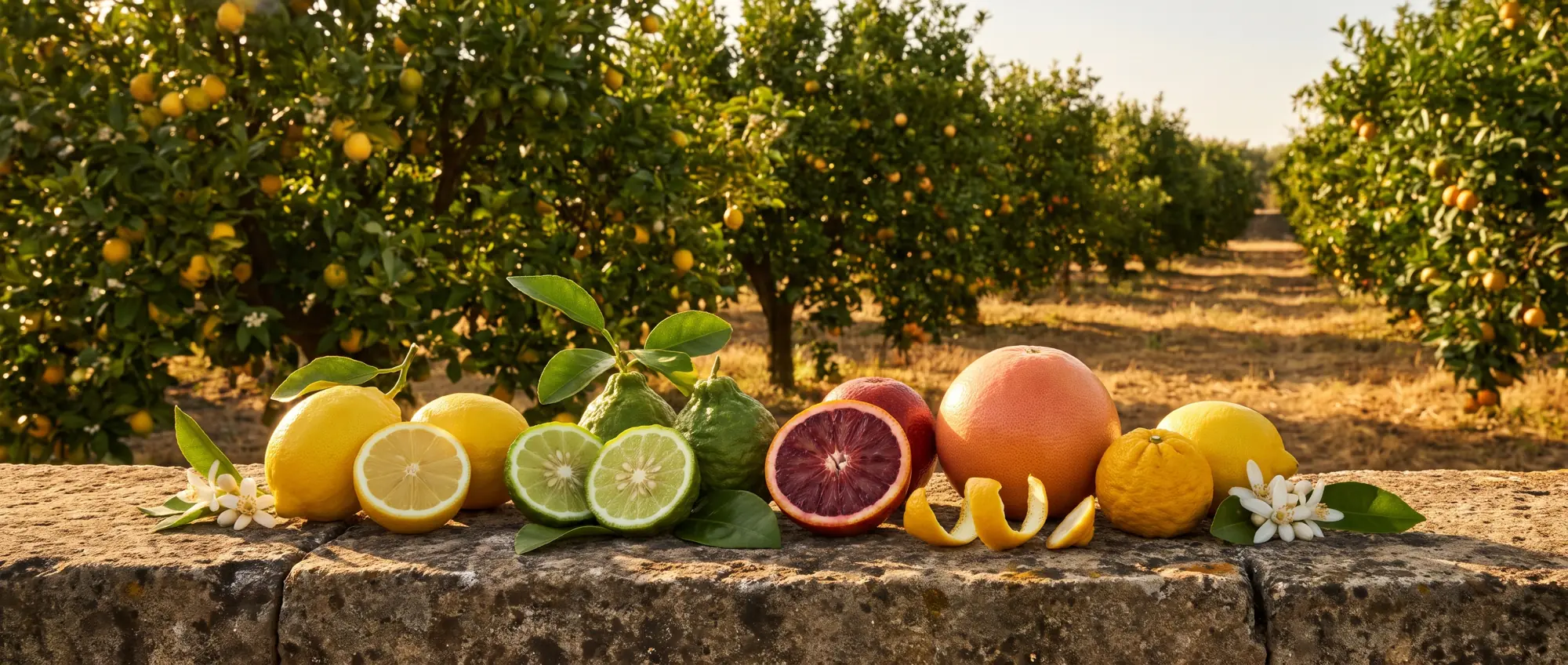
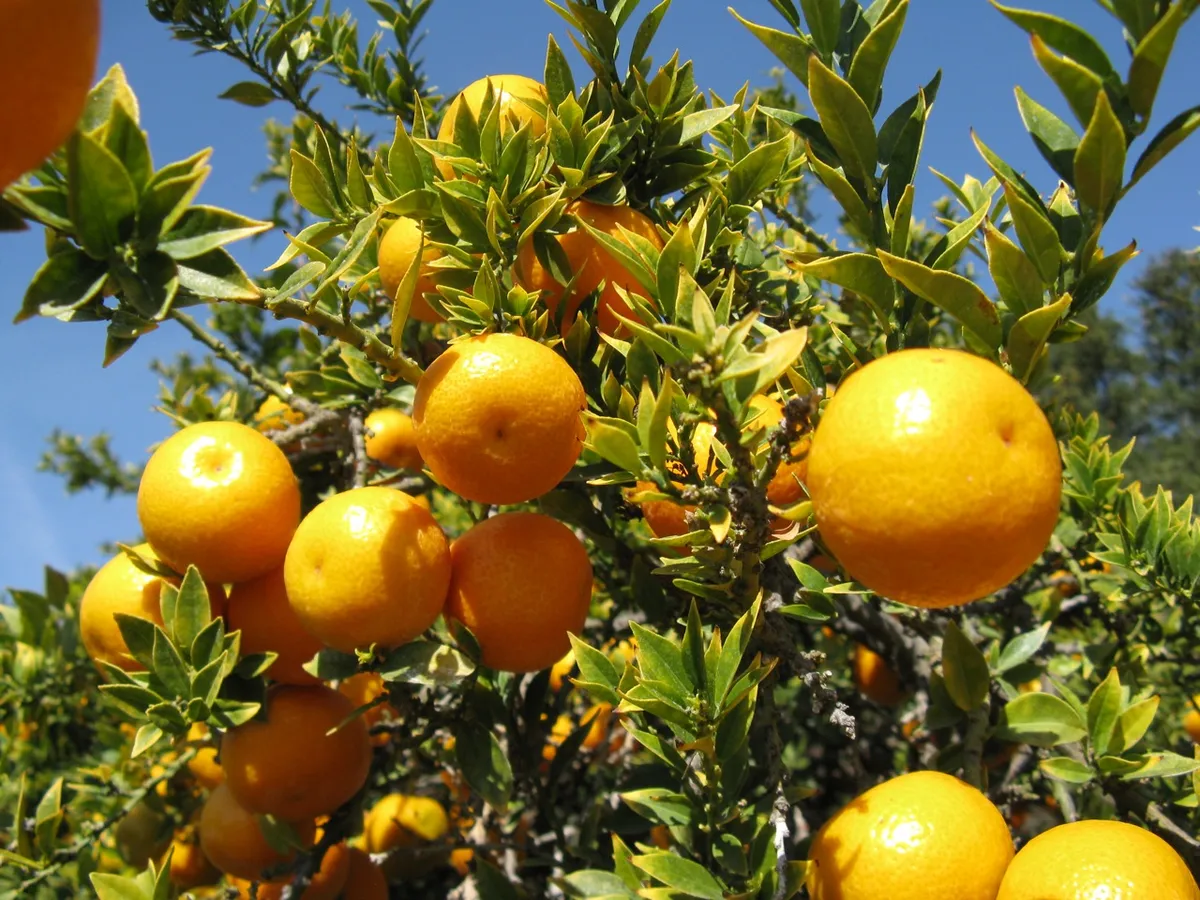


Chinotto
Also known as Citrus myrtifolia, Citrus aurantium var. myrtifolia, myrtle-leaved orange
Photos: Nadiatalent, CC BY-SA 3.0; Krzysztof Ziarnek, Kenraiz, CC BY-SA 4.0
About Chinotto
What it is
Chinotto is an essential oil expressed from the peel of the fruit of the myrtle-leaved orange tree. The rinds are pressed to release the oil.
Where it comes from
It comes from Citrus myrtifolia, a tree of the Mediterranean. The same fruit gives the Italian soft drink that carries its name.
What it smells like
The first impression is fresh and green, with a bitter orange edge and a light floral side. After a few minutes warm orange blossom and a soft aldehydic lift come forward. The overall character is closer to marmalade rind than to sweet orange juice.
In perfumery
Perfumers use chinotto to brighten a citrus accord and to add a dry bitterness that sweet orange lacks. Its main constituents are close to those of bergamot oil, so it can stand in for part of a bergamot top. It is often paired with lemon, mandarin, rose and geranium in fresh openings, and with vanilla, patchouli and oakmoss in warmer, oriental bases.
Scent profile
Our read of the note, not a measurement.
Where it sits
Mostly a top and heart note.