
Canadian Balsam
Also known as Canada turpentine, balsam of fir, Abietin
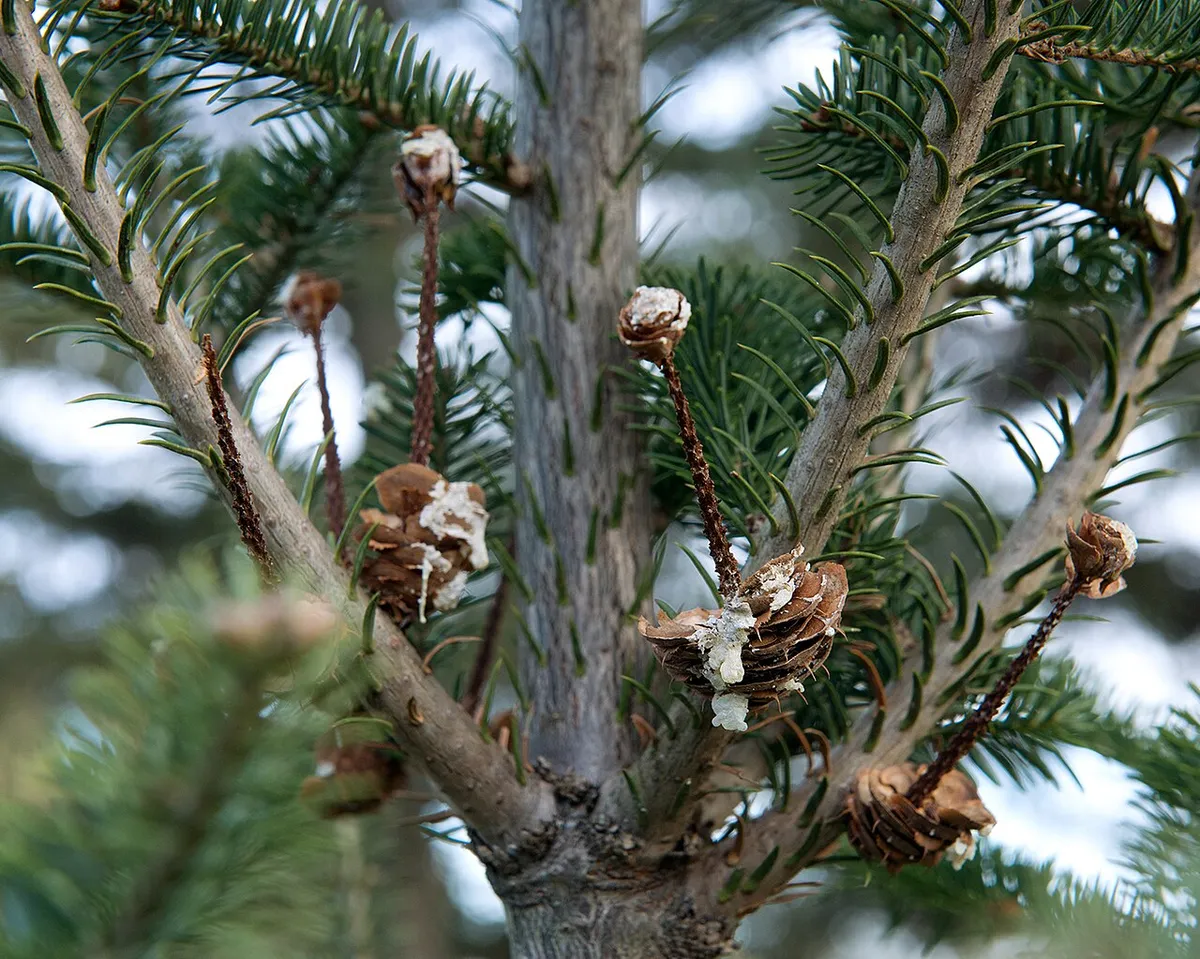
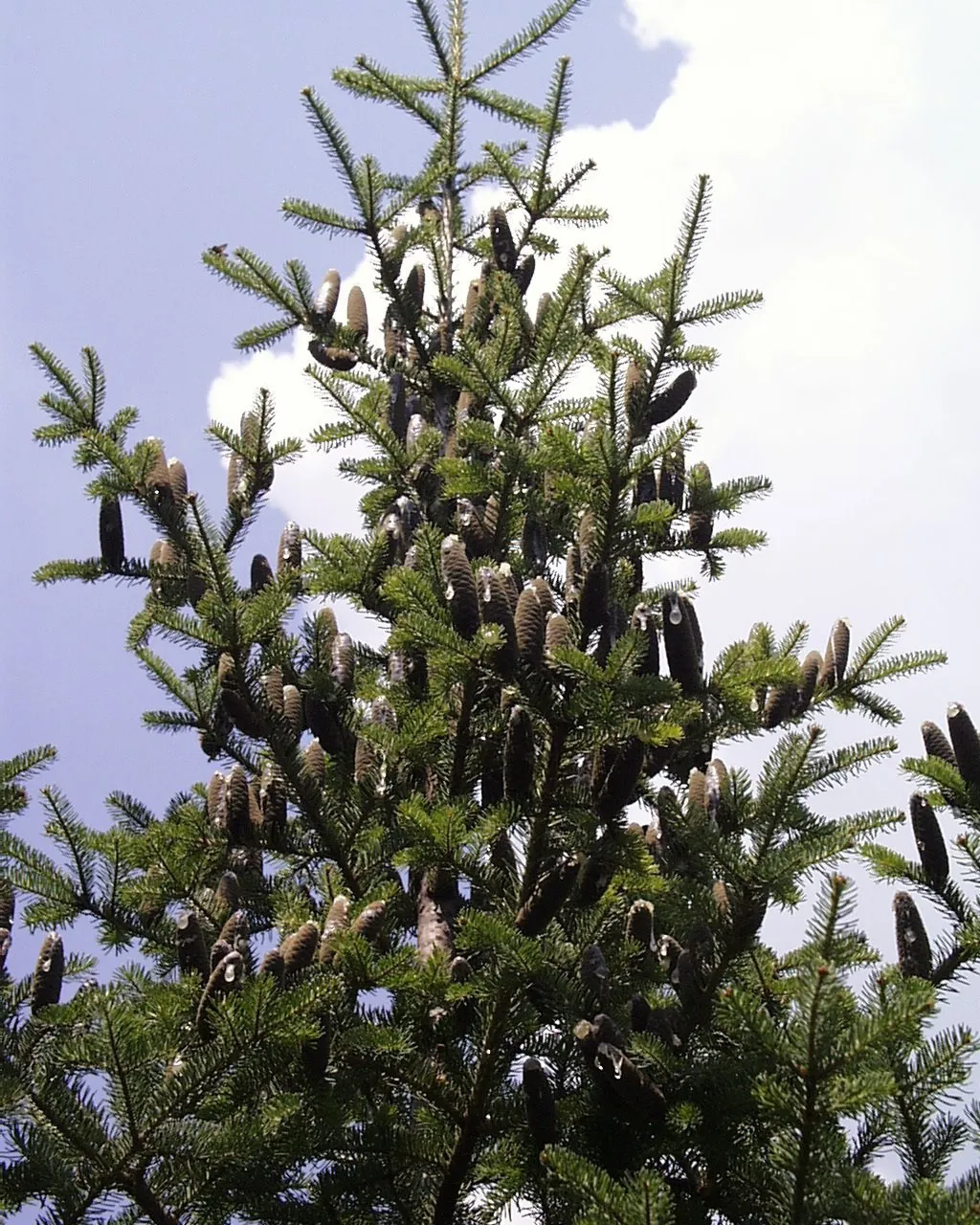
Photos: Plant Image Library, CC BY-SA 2.0; U.S. Fish and Wildlife Service, Public domain
About Canadian Balsam
What it is
Canadian balsam is the oleoresin of the balsam fir, a resin that oozes from blisters in the bark. Once the solvents in the sticky exudate evaporate, it hardens into pale yellow lumps. It is also sold as a resinoid or as an absolute.
Where it comes from
It comes from balsam fir trees growing in the boreal forests of eastern Canada and the northeastern United States.
What it smells like
It opens aromatic and pine-like, with a sharp green edge. After a few hours it turns softer and warmer, with a balsamic, agreeable sweetness. It is lighter than Peru balsam or benzoin and less smoky than frankincense.
In perfumery
Perfumers use it to add warmth and depth to pine and dry woody accords, and to give masculine woody compositions a soft, distinctive character. It is often paired with benzoin, labdanum, musk, bergamot, lemon and black pepper.
Scent profile
Our read of the note, not a measurement.
Where it sits
Mostly a base note.