
About Butterscotch
What it is
Butterscotch in perfumery is a synthetic accord, not a natural extract. It is built from a few aroma molecules, mainly diacetyl for the buttery side and maltol, ethyl maltol and furaneol for the caramel and jammy sweetness.
Where it comes from
The accord copies the English butterscotch sweet, a toffee made from brown sugar, butter and cream that dates to Victorian England. Diacetyl is made industrially, and maltol occurs naturally in larch bark and pine needles.
What it smells like
Butterscotch opens as brown sugar and warm caramel, with a rounder, fattier edge of butter and cream than plain caramel. It settles into a soft, toffee-like warmth with a faint vanilla undertone.
In perfumery
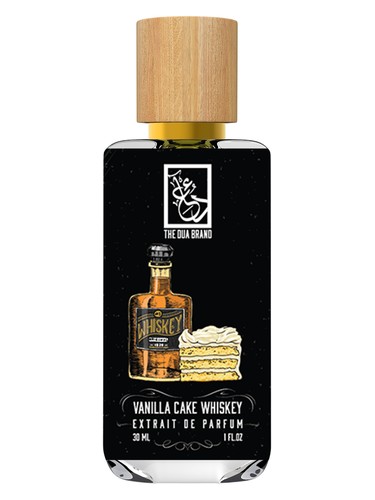
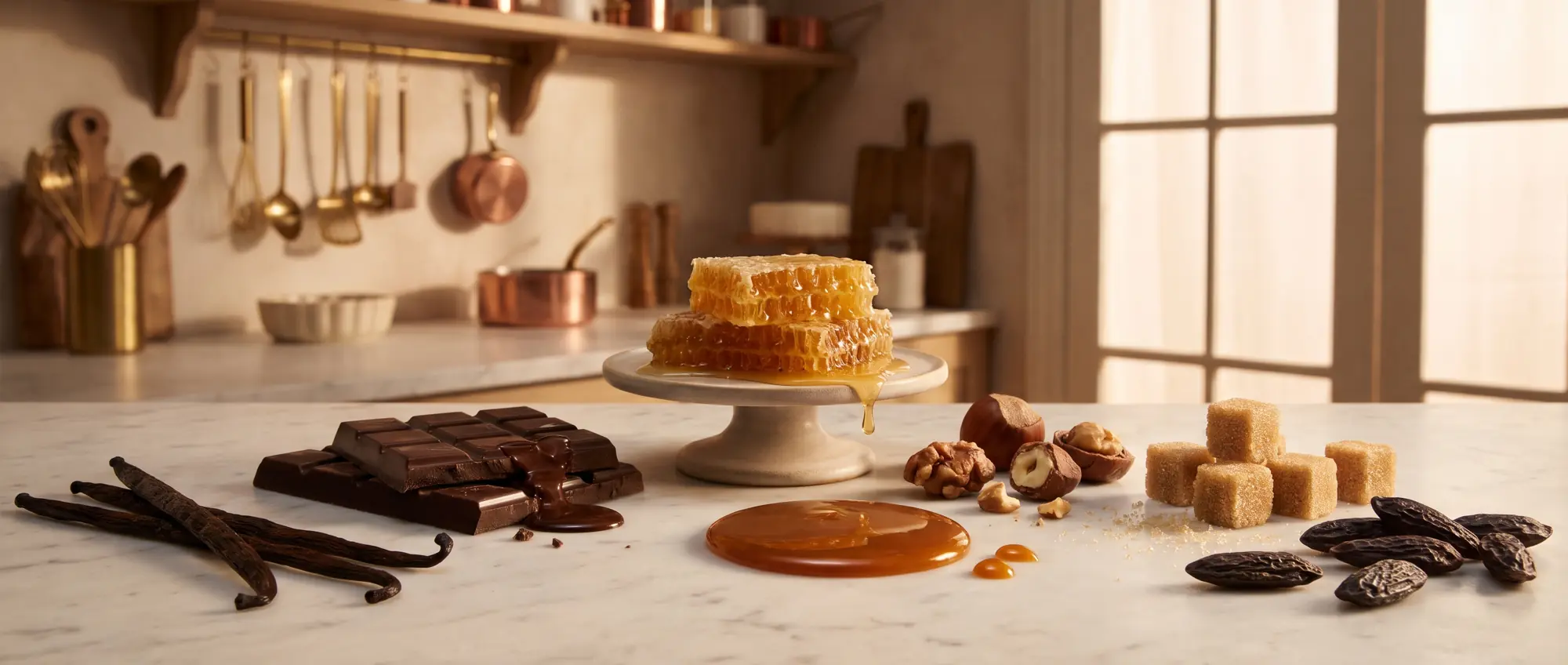
Perfumers use butterscotch to anchor gourmand compositions and to link spice with vanilla in amber bases, which makes the amber feel rounder. It is often paired with vanilla, whiskey, coffee, dark chocolate, malt and musk.
Scent profile
Our read of the note, not a measurement.
Where it sits
Mostly a base note.