
Bigarade
Also known as bitter orange, Citrus aurantium amara, Citrus × aurantium
Photos: Zeynel Cebeci, CC BY-SA 4.0
About Bigarade
What it is
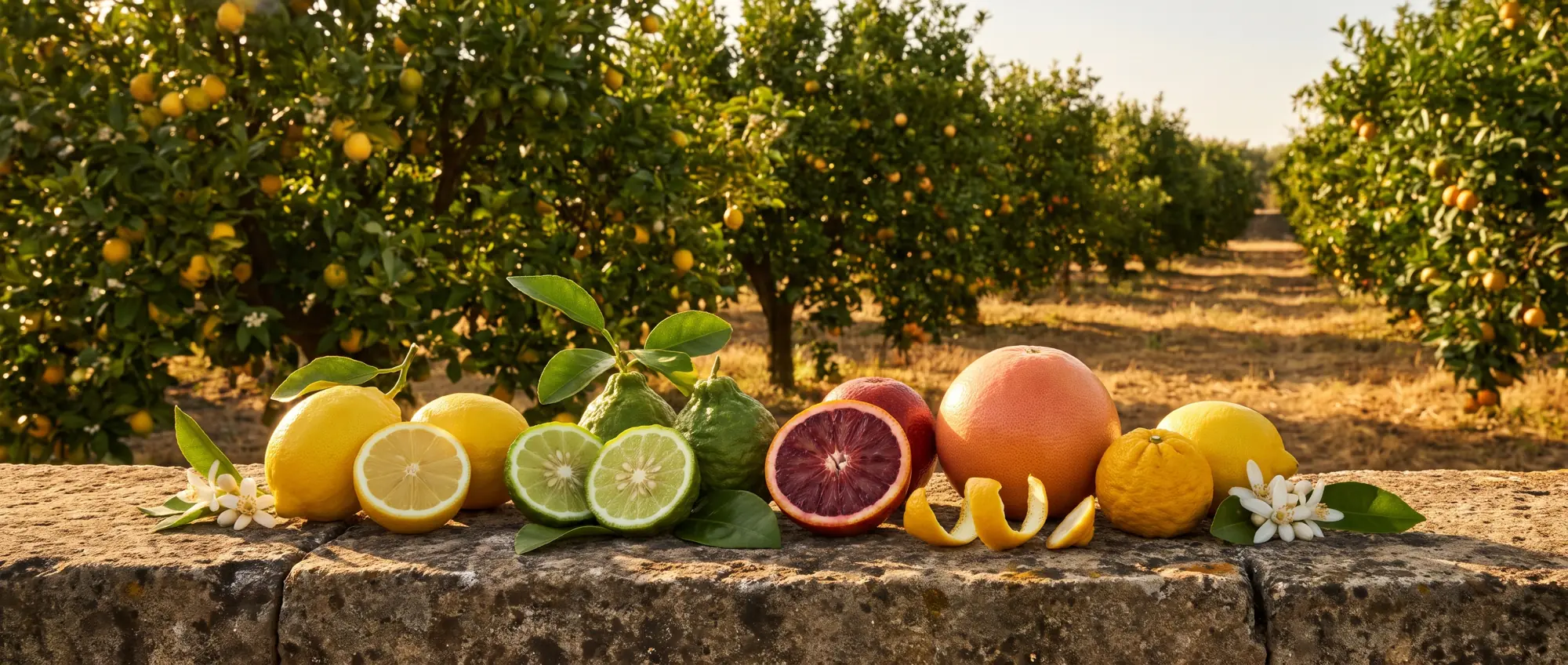
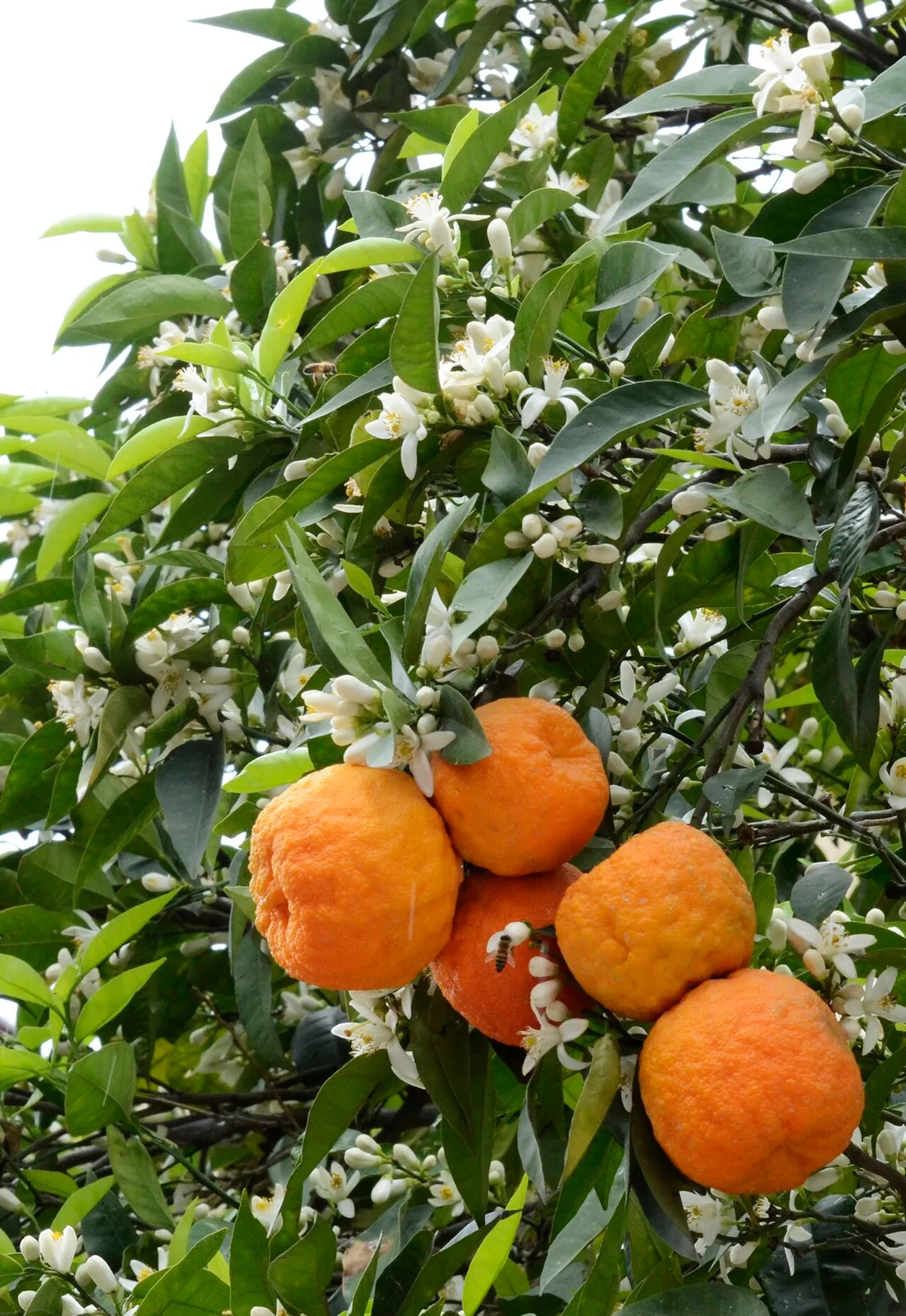
Bigarade is the oil of the bitter orange tree, Citrus aurantium. The perfume material is usually cold-pressed from the peel, and a second oil can be made from the peel of dried, unripe fruit.
Where it comes from
The oil is sourced from bitter orange trees grown in Mexico and Tunisia, according to one supplier listing. The fruit itself is not usually eaten, so the peel is the part used for perfume.
What it smells like
The peel oil opens fresh and citrusy with a dry, slightly bitter edge that is sharper than sweet orange. After a few hours it turns leafy and fruity, and after several days it settles into a dry woody tone with faint brown, pound-cake notes.
In perfumery
Perfumers use bigarade to give a bright, dry citrus opening, and it is a familiar part of eau de cologne blends alongside other citrus oils. It is often paired with bergamot, petitgrain and pink pepper for lift, and with cedar and sandalwood for a drier wood base.
Scent profile
Our read of the note, not a measurement.
Where it sits
Mostly a top note.