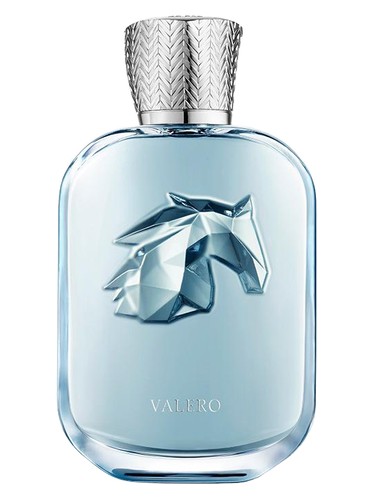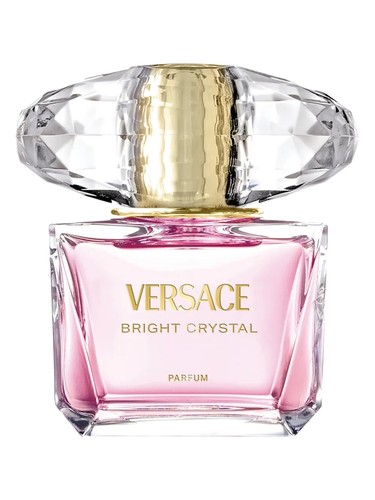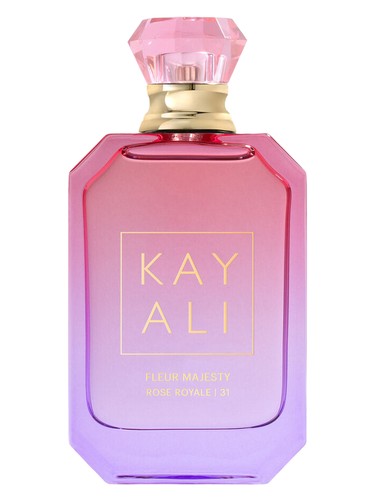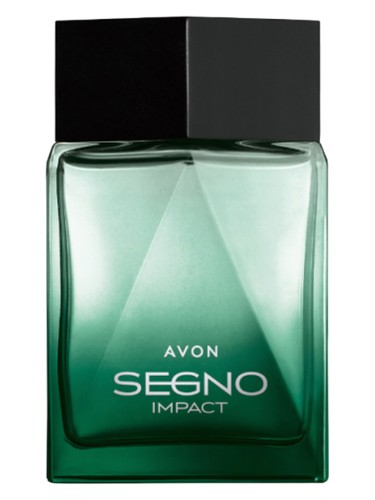

Ambrox Super
Also known as Ambroxide, Ambroxan, (-)-Ambroxide
About Ambrox Super
What it is
A synthetic aroma chemical, ambroxide (C16H28O), in the form of a white crystalline solid. It is not taken from ambergris or any animal. It is made from sclareol, a compound recovered from clary sage distillation residues, or from homofarnesol.
Where it comes from
Developed by the Swiss company Firmenich from the 1950s onward, when a semi-synthetic route from sclareol was patented. The version sold as Ambrox Super was industrialized in 2016 using white biotechnology, a fermentation-based process.
What it smells like
Dry and ambery at first, with woody, musky and mineral facets. Early on it reads pine- and cedar-like with a green, seedy edge. After a few hours it turns sweet and dry, close to labdanum, and after a few days it settles into a musky, woody ambergris character.
In perfumery
Perfumers use it as a fixative that lifts and warms amber, woody and marine accords and makes them last for many hours. It is highly diffusive, so a small amount carries an ambery effect from the opening through to the dry down. It is often paired with musk, cedar, sandalwood, bergamot and pink pepper.
Scent profile
Our read of the note, not a measurement.
Where it sits
Mostly a base note.