

Photos: Masur, Public domain
About Yeast
What it is
A yeast-derived note built from the aroma of Saccharomyces cerevisiae, the single-celled fungus used in baking and brewing. Its smell comes from the volatile compounds that yeast gives off during fermentation.
Where it comes from
The raw material is the yeast cell itself, the same fungus that raises bread dough and ferments beer. Perfumers work from its fermentation compounds rather than from a single named producer.
What it smells like
At first yeast smells fruity and faintly rose-like, with a clean, light edge. After a few hours it turns buttery, malty and yeasty, with a flour-like dryness. Some describe it as a slightly funky, cheese-like warmth.
In perfumery
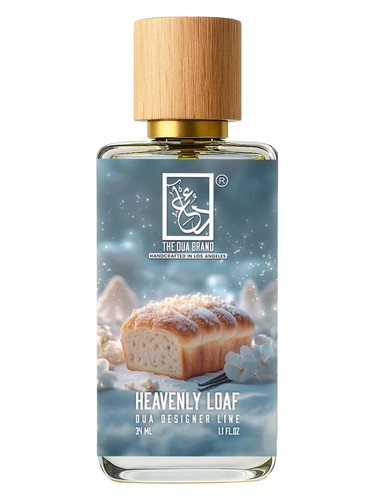
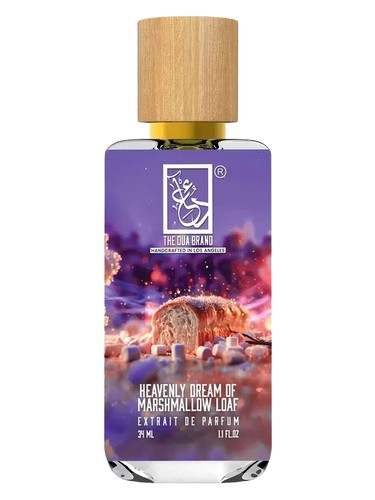
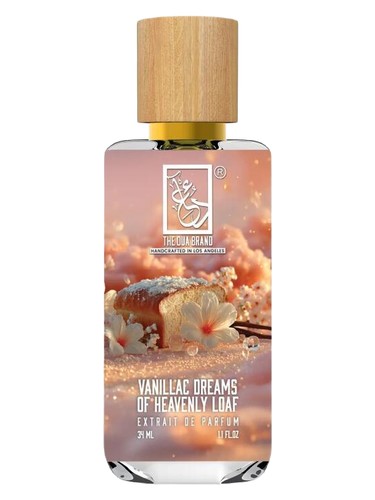
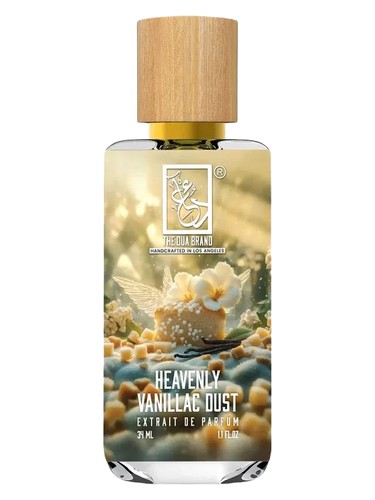
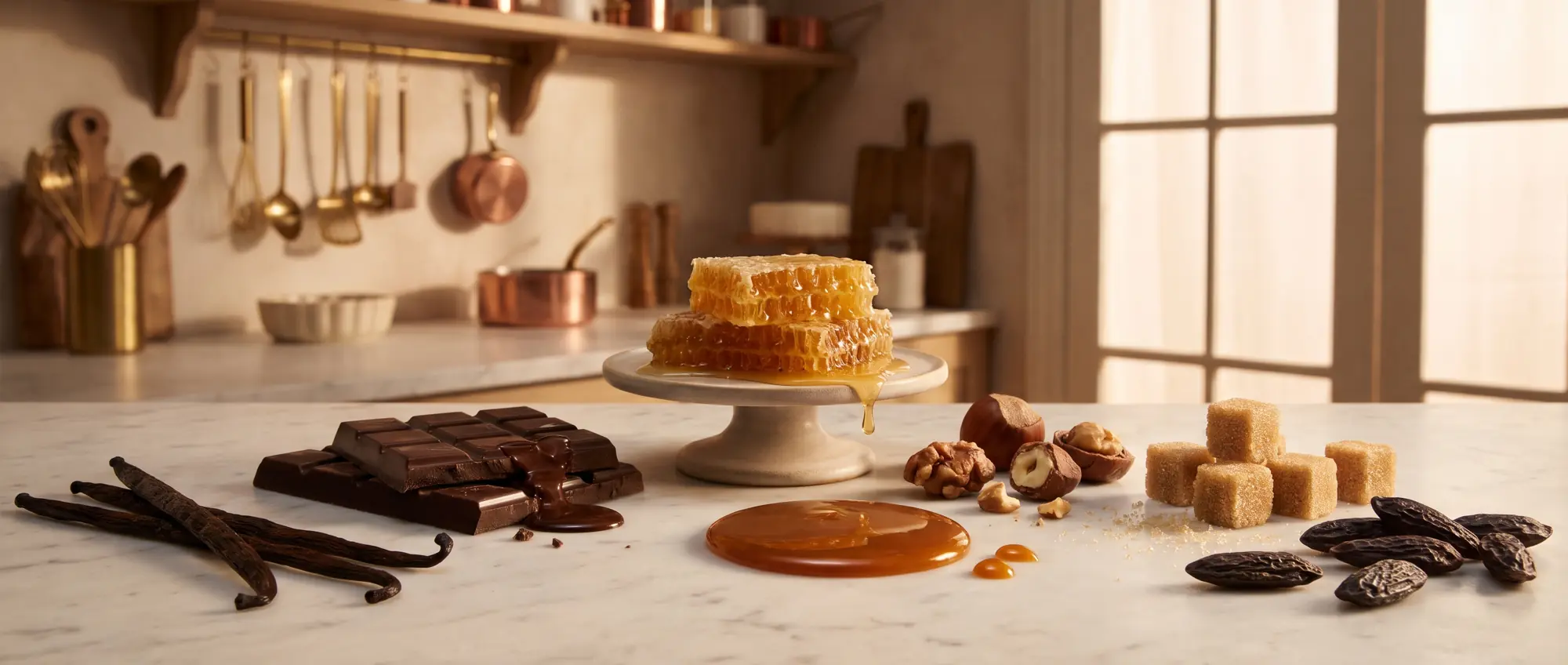
Perfumers use yeast to add the living, fermented character of bread dough and beer to a composition. It is most often used in fermented-dough bread accords, where it gives depth but can read as polarising. It is commonly paired with vanilla, honey, butter, musk, amber and hazelnut, which it warms rather than overpowers.
Scent profile
Our read of the note, not a measurement.