
About Toscanol
What it is
Toscanol is a synthetic aroma molecule, 1-(cyclopropylmethyl)-4-methoxybenzene, sold as a colorless oil. It is made from estragole, the main aroma compound of tarragon and basil.
Where it comes from
It was developed and patented by Givaudan, with Andreas Goeke named as inventor in US patent 7,704,942. The patent describes making it by adding a cyclopropane ring to the side chain of estragole.
What it smells like
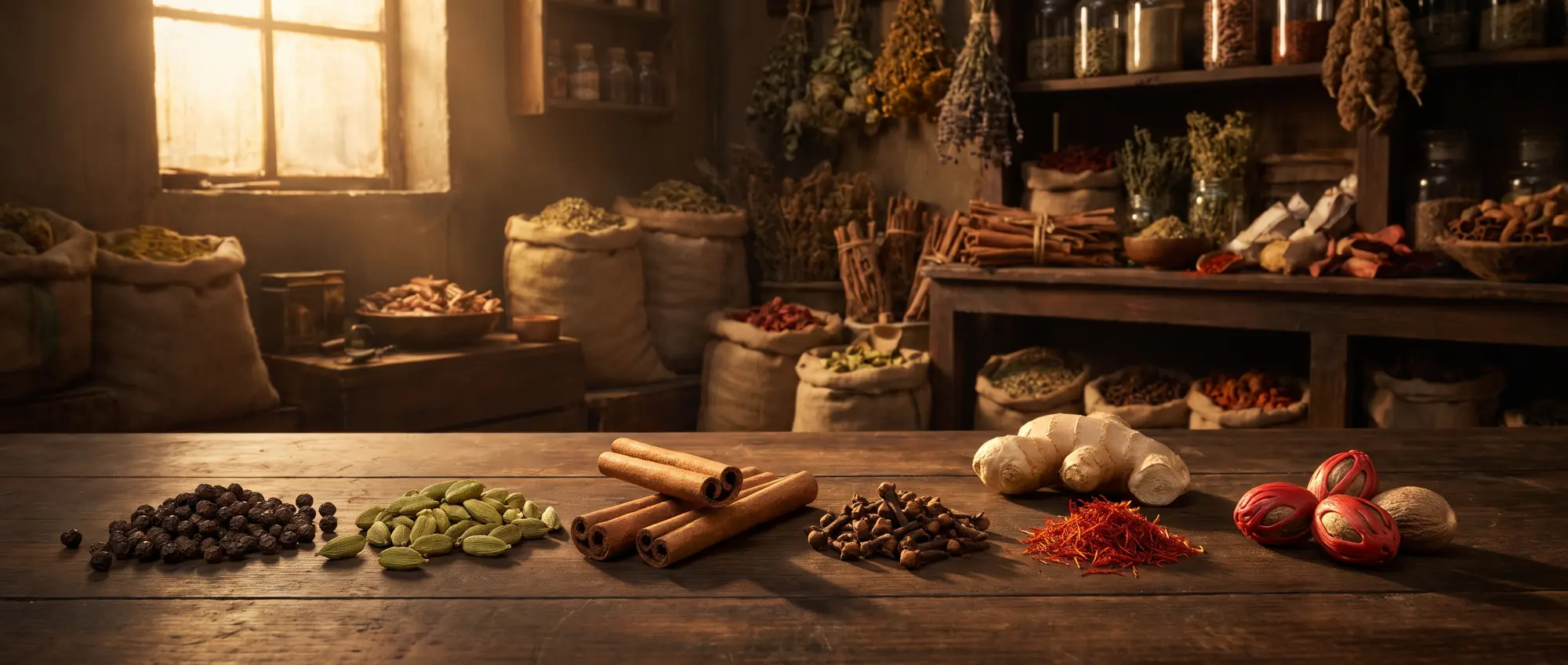
Toscanol opens sweet and spicy, with an anise-like character. Over a few hours it turns herbal and anisic, with green and floral facets. After several days it becomes balsamic and woody, with a faint earthy and animalic edge.
In perfumery
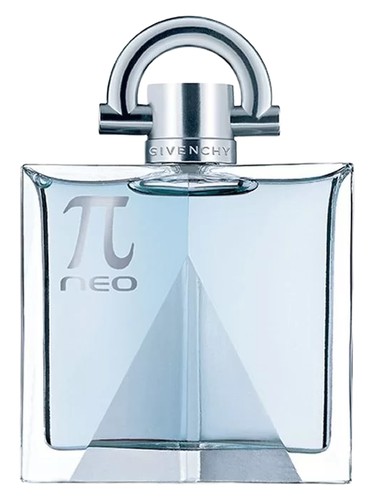
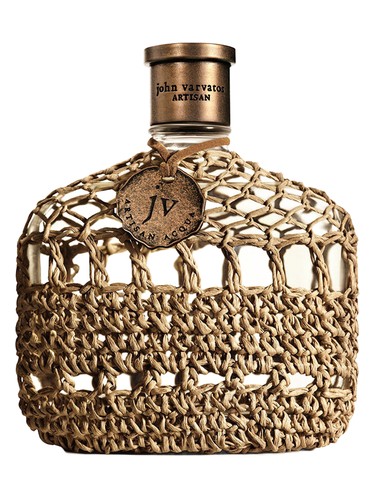
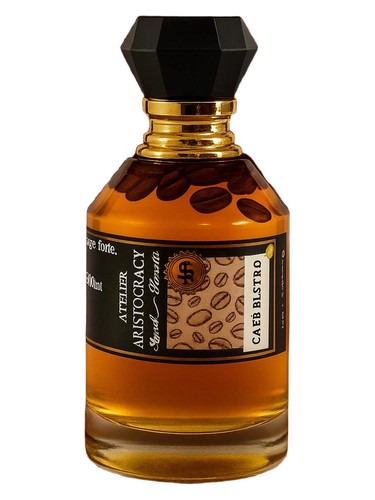
Perfumers use Toscanol to add anisic, spicy warmth to fougère-type and aromatic compositions. Compared with estragole, it is fresher and blends more easily with minty top notes. It is often paired with anise, coriander, bergamot and cedar.
Scent profile
Our read of the note, not a measurement.
Where it sits
Mostly a top and heart note.