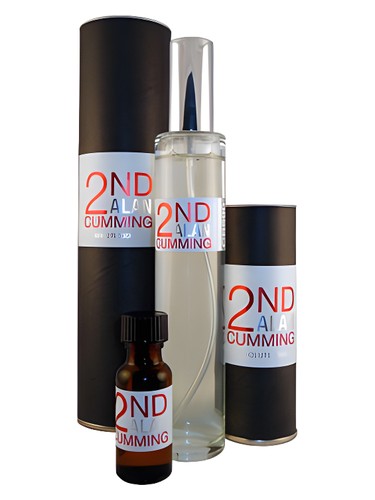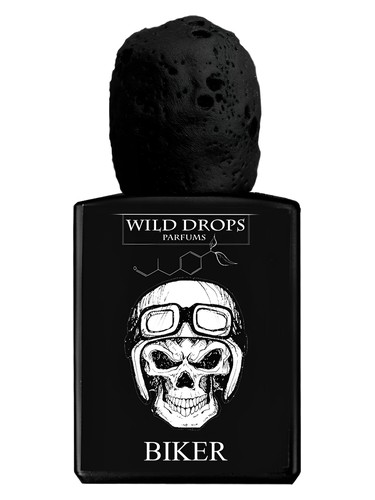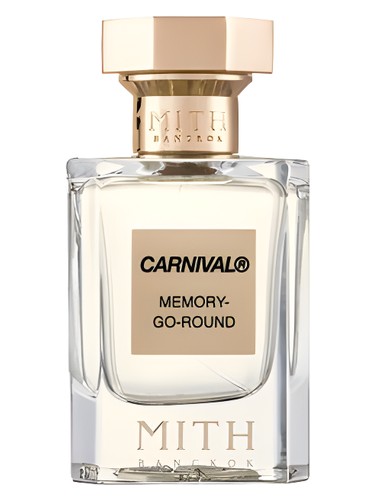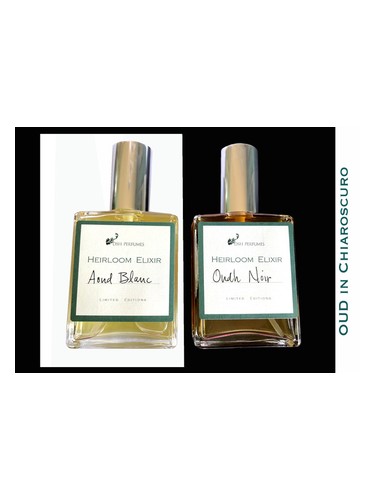


Photos: DelwarHossain, CC BY-SA 4.0
About Rubber
What it is
Rubber in perfumery is a synthetic accord, not an extract. It is built from sulfur-containing aroma molecules, with benzothiazole named as a key odorant, and it refers to the smell of natural latex rather than containing it.
Where it comes from
The effect is modeled on the latex of the Hevea brasiliensis tree, the source of natural rubber. Perfumers rebuild that smell from synthetic molecules, since no single natural essence of rubber is used in fine perfumery.
What it smells like
On first contact it is sulfurous and rubbery, with a meaty, cooked, nutty and coffee-like edge. Over several hours it turns more nutty and coffee-like, and at higher strength it recalls new tires, inner tubes and rubber-soled shoes.
In perfumery
Perfumers use rubber as a dark, smoky modifier that adds an industrial or urban edge. It is most often used in niche and avant-garde work that breaks from floral, woody or musky norms. It is frequently paired with cedar, leather, agarwood, amber, musk and birch tar.
Scent profile
Our read of the note, not a measurement.
Where it sits
Mostly a heart and base note.