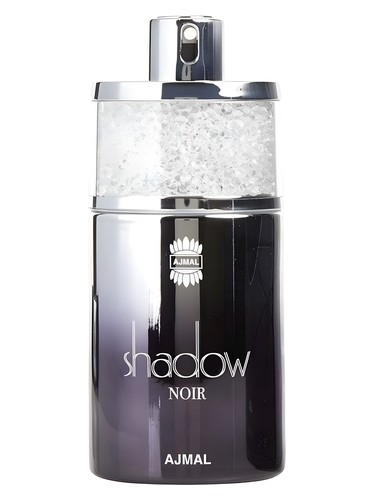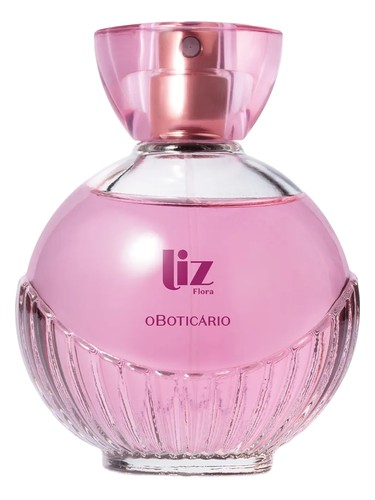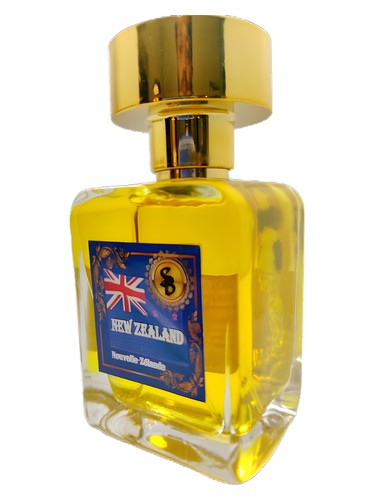


Photos: Philipp Zinger, CC BY-SA 4.0
About Cocobolo
What it is
Cocobolo is the heartwood of Dalbergia retusa, a tropical rosewood tree. Its oily heartwood gives the aromatic material, while the sapwood is rarely used. Steam distillation of the heartwood is rare, so most perfumery cocobolo is reconstructed rather than a plain distilled oil.
Where it comes from
The tree grows from Mexico through Central America to northern Colombia. Timber is commonly sourced from Mexico, Colombia and Guatemala.
What it smells like
The heartwood has a sweet, aromatic odour that reads as floral at first, with a rosy and spiced warmth. It is a rosewood character, but warmer and more spiced than Brazilian rosewood. As it settles, the wood tone becomes less prominent and the floral side remains.
In perfumery
Perfumers use cocobolo to add warmth and body to a floral or spicy heart, then let it carry into the drydown. It pairs well with amber, musk and benzoin, and with fruity notes such as peach, pear and pomegranate. It is also used with lavender and atlas cedar.
Scent profile
Our read of the note, not a measurement.
Where it sits
Mostly a heart and base note.