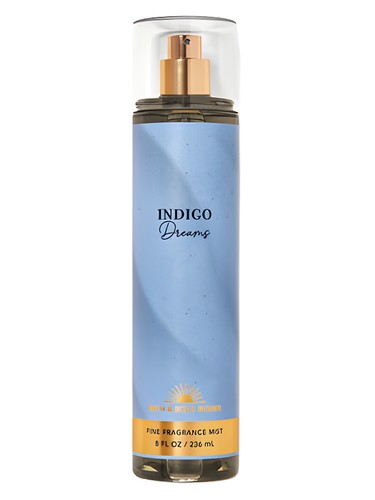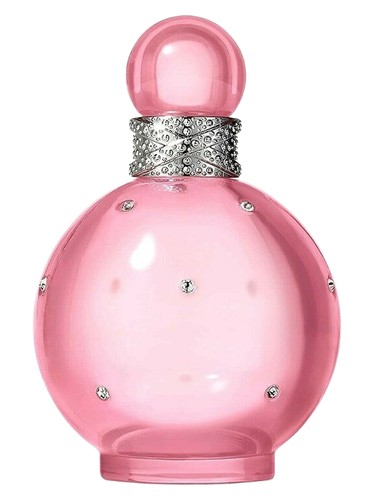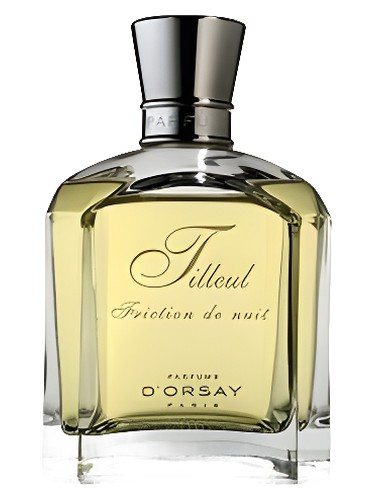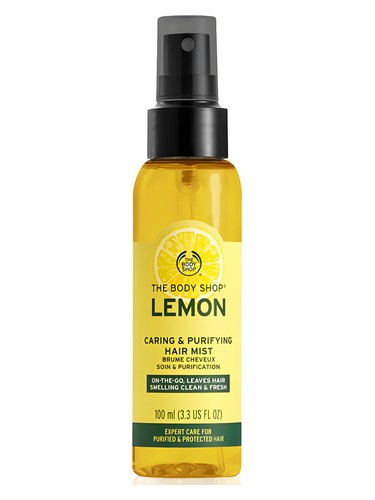


Photos: Undeka 11, CC BY-SA 4.0
About Citruses Water
What it is
A citrus accord made by dissolving citrus peel oils in a dilute ethanol base, usually 70 to 90 percent alcohol. It is a blend rather than a single raw oil.
Where it comes from
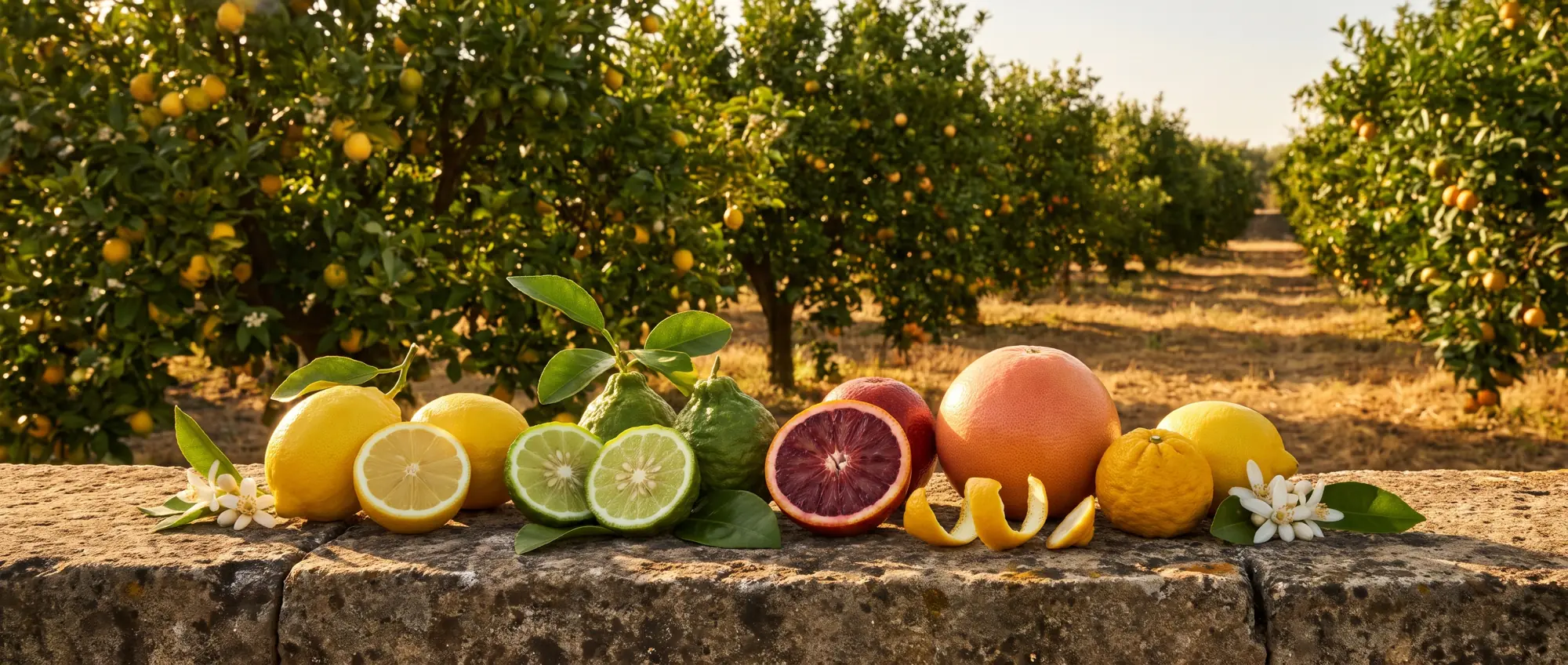
The name goes back to Eau de Cologne, the citrus spirit first made in Cologne in 1709 by Giovanni Maria Farina. Perfumers now build it from lemon, orange, bergamot, lime and grapefruit oils.
What it smells like
Bright, sharp and peely at first, led by d-limonene, which reads as orange and fresh with a sweet edge. Bergamot adds floral, green and spicy facets, and after a few hours hints of orange peel and ginger come forward. It fades quickly and leaves a clean, light trace.
In perfumery
Perfumers use citrus water to open a composition with freshness and lift, and to help other materials blend at the start. It is often paired with bergamot, musk and amber, and it is most common in floral and citrus compositions.
Scent profile
Our read of the note, not a measurement.
Where it sits
Mostly a top note.